Boiler Superheater Block Valve
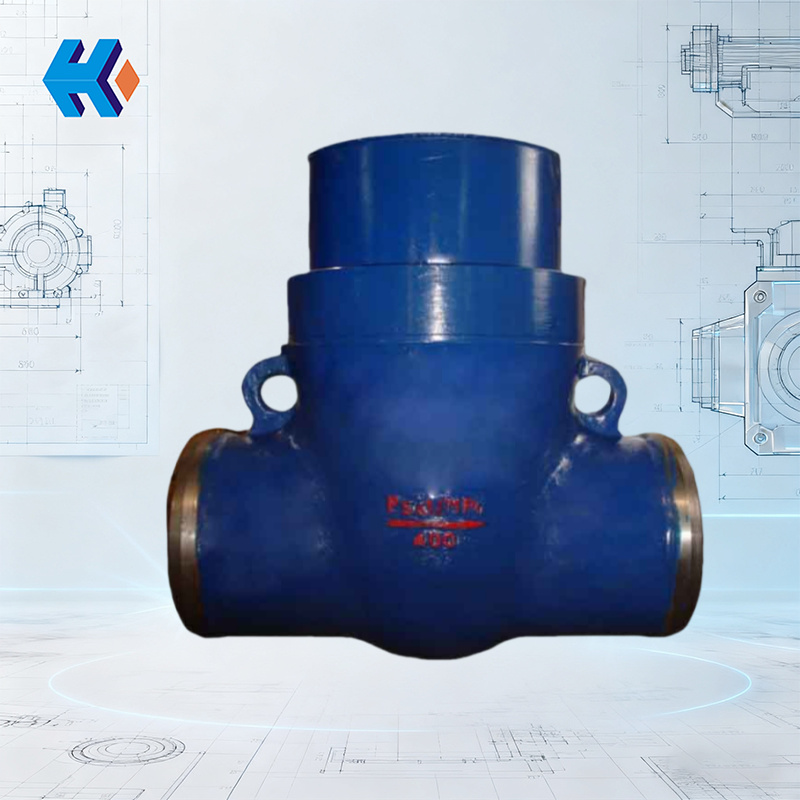

A block valve is a special valve device with both static hydraulic test isolation and pipeline functions. It is installed on the steam pipeline at the boiler superheater outlet and features dual functions, high-temperature and high-pressure resistance, reliable sealing, and convenient installation and maintenance. During a boiler’s static hydraulic test, the block valve is sealed by inserting an internal blocking plate, an O-ring, and a support plate, which isolates the superheater or reheater from other equipment. After the hydraulic test is completed, the test components are removed, and a flow guide sleeve is installed, allowing the block valve to be used as a regular pipeline.
Structural Features of Boiler Superheater Block Valves
-
Butt-weld connection: Butt-weld connections are used to ensure the connection strength and sealing of the valve and pipe.
- Pressure self-tightening sealing structure: The middle cavity adopts a pressure self-tightening sealing structure, which can press the sealing ring tightly using media pressure during hydraulic testing or operation to achieve a reliable seal. The higher the pressure, the more reliable the seal.
- Single-sided flat seal: The valve body features a single-sided flat seal design. The blocking plate is equipped with a rubber O-ring to achieve a combined hard and soft seal, ensuring a reliable seal during testing.
- High-quality cast steel valve body: The valve body is made of high-quality cast steel. Both ends are machined with a U-shaped welding bevel to facilitate butt-welding to the pipe.
- High-temperature and high-pressure resistance: The block valve must withstand the high-temperature and high-pressure environment of the boiler outlet steam, so its material and structure must have excellent resistance to high temperatures and pressures.