Furnace Soot Blower Lance Tube
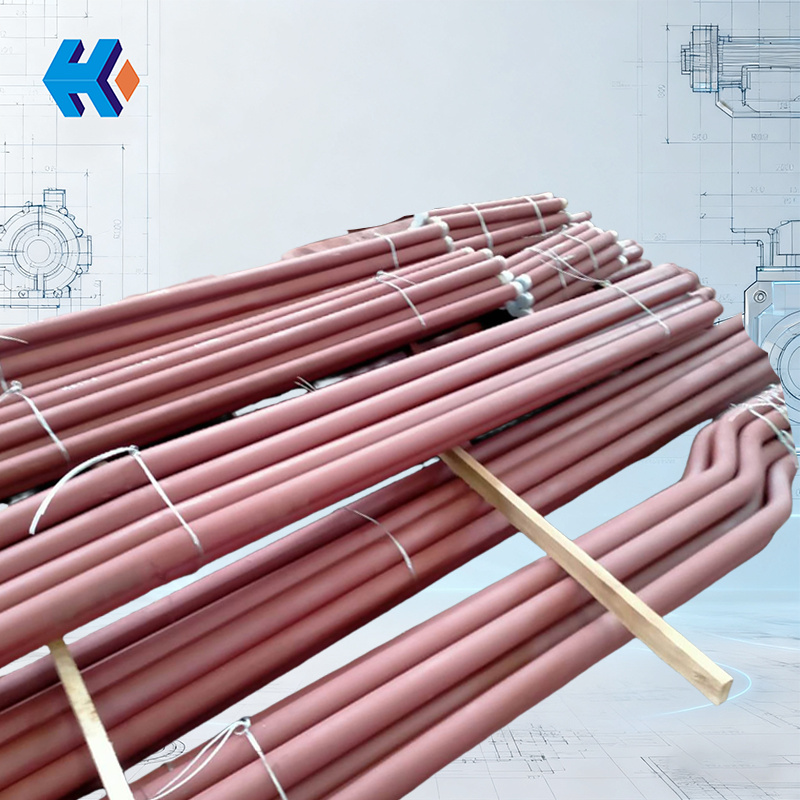

The furnace soot blower lance tube is a critical connecting component in the furnace soot blowing system. It is mainly used to transport the soot blowing medium (usually high-temperature and high-pressure steam or compressed air) from the soot blower body to the soot blowing nozzle inside the furnace. It also adapts to the complex spatial layout and high-temperature environment within the furnace, ensuring that the soot blowing operation is efficient and safe.
Core Functions and Roles of the Lance Tube
-
Medium transport channel: As the “transport pipe” for the soot blowing medium, it reliably transports the high-pressure steam or compressed air generated by the soot blower to the nozzles inside the furnace. This ensures the medium is ejected at sufficient pressure and flow to clean the heating surfaces (such as water walls and screen superheaters) of accumulated ash.
- Spatial adaptation and avoidance: The internal structure of the furnace is complex, full of tube bundles, brackets, and temperature-sensing components. The lance tube must be designed with specific bending angles and lengths to avoid these obstacles, ensuring the nozzle is precisely aimed at the ash-prone areas (such as pipe walls and dead corners of heating surfaces) without affecting normal boiler operation.
- Environmental adaptation: It is in direct or indirect contact with the high-temperature flue gas inside the furnace (temperatures can exceed 400-1000°C). It must withstand high temperatures, thermal shock, and media erosion, so its material and structure must meet requirements for high-temperature resistance, corrosion resistance, and deformation resistance.
Application and Maintenance of Lance Tube
-
Application scenarios: Mainly used for ash cleaning in power plant boilers, industrial boilers, and waste incinerators. It directs the medium to remove accumulated ash (such as fly ash and slag) from heating surfaces on the water walls, front walls, rear walls, and side walls, restoring the heat transfer efficiency of the heating surfaces, lowering the flue gas exit temperature, and saving energy.
- Maintenance essentials:
- Regularly check the surface of the lance tube for signs of overheating discoloration, corrosion spots, or wear (especially near the nozzle, which is prone to erosion).
- Check the sealing of the connection interfaces. If steam leaks are found (indicated by local condensation or a pressure drop), re-weld or replace the seals.
- Clean out any potential debris inside the lance tube (such as rust or welding slag) to prevent clogging that could lead to weak nozzle spray.
- Check for thermal deformation during shutdown. If excessive bending or loose connections are found, correct or reinforce them.