


How to Detect Micro Leakage in Feed Water Pump Gasket FA1D56-03-09 Before It Causes Shutdown
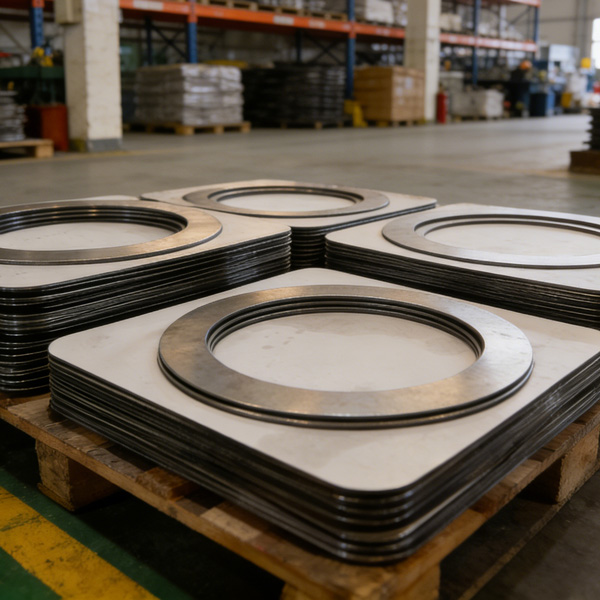
The sealing gasket FA1D56-03-09 for the feed water pump cooling water jacket is a key sealing part during the operation of the feed water pump. It is directly related to the sealing performance of the cooling water system and the overall stable operation of the equipment. Many companies that use feed water pumps often meet gasket failure problems in daily maintenance, but it is hard to quickly judge the specific failure type, and it is easy to ignore the early micro leakage signs. In the end, the equipment fault becomes bigger and affects the production schedule. In fact, as long as you understand the common failure modes of the gasket, the related external signs, and the early detection skills, you can effectively avoid such problems.
In addition to the cooling water jacket sealing gasket FA1D56-03-09, the stable operation of the feed water pump also depends on other key spare parts. Below is a reference list of related feed water pump components:
| Part Name | Model |
|---|---|
| Shaft end sleeve | FAID56-01-15 |
| Oil baffle ring | DG600-240-05-04 |
| Last stage guide vane | FT13RA33M-04-04 |
| Second stage guide vane | FK6B37M-04-12 |
| Drive end radial bearing | HPT200-330M-5S |
| Sealed cooling housing | FA1D56-03-03 |
| Seal | FA1D56A-03-09 |
| Outer shaft sleeve | FA1D56-01-05 |
| Steam drum manhole nut | DG3040 |
| Mechanical seal | HZB253-H75/110-G115-E |
| Double-ended bolt | HPT300-340-01A-07 |
I. Common Failure Modes of Sealing Gasket FA1D56-03-09
There are mainly three failure modes of sealing gasket FA1D56-03-09 for the feed water pump cooling water jacket: aging and hardening, creep relaxation, and mechanical damage. Among them, aging and hardening is the most common, creep relaxation is the second, and mechanical damage is relatively less common.
1. Aging and Hardening
Aging and hardening often happen on gaskets that have been used for a long time. When the feed water pump is running, the cooling water jacket is under continuous temperature changes. The gasket is affected by repeated hot and cold conditions for a long time. At the same time, the cooling water also causes erosion. The material will slowly lose its elasticity and become stiff. This kind of failure builds up slowly with time. Usually, after the feed water pump runs continuously for 1–2 years, the chance of this problem will clearly increase.
2. Creep Relaxation
Creep relaxation is related to the installation pressure and long-term load. If the gasket is pressed too tightly during installation, or if the pump runs under high load for a long time, the gasket will have permanent deformation under pressure. It will lose its rebound force, and the sealing surface will not fit tightly, which leads to sealing failure.
3. Mechanical Damage
Mechanical damage mainly comes from improper operation during installation or maintenance. Too much force may damage the gasket edge. Scratches during disassembly may also cause leakage. This kind of failure usually has clear external marks and is easy to identify.
II. External Signs Under Different Failure Modes
Under different failure modes, the external signs of the gasket are clearly different. These signs help you quickly judge the failure type and take action in time.
1. Signs of Aging and Hardening
The most direct sign is slight leakage of cooling water. At first, there may only be small wet marks at the joint of the cooling water jacket. Later, dripping may appear. Cooling water pressure may slightly decrease, and bearing temperature may rise because the cooling effect becomes weak.
2. Signs of Creep Relaxation
The main sign is continuous drop of cooling water pressure. Micro leakage may not show clear water marks, but the cooling water make-up amount will increase. Long-term leakage may cause water to enter the bearing box and lead to oil emulsification.
3. Signs of Mechanical Damage
This usually shows sudden obvious leakage. Cooling water may leak quickly from the damaged part. Pressure will drop sharply, vibration may increase, and bearing temperature may rise fast. Immediate replacement is required.
III. How to Find Early Gasket Deterioration (Micro Leakage Stage)
In the early stage, sealing failure often shows micro leakage. It is hard to see directly. Monitoring cooling water make-up amount and checking bearing oil water content are effective methods.
If daily make-up water increases from 5–10 liters to more than 15 liters and continues for several days, it may indicate gasket deterioration. If bearing oil water content exceeds 0.2% and no other water source is found, the gasket should be inspected immediately.
IV. Gasket Use Suggestions and Service Support
To reduce failure risk, avoid long-term high load operation. Control installation pressure properly. Clean the cooling water system regularly. Monitor make-up water and oil condition. Replace worn gaskets in time.
If you need replacement gasket FA1D56-03-09 or other related feed water pump spare parts listed above, you can contact us. We provide suitable parts, durable materials, and technical support to ensure stable operation of your feed water pump.
HKCYT-2026-03-02


-
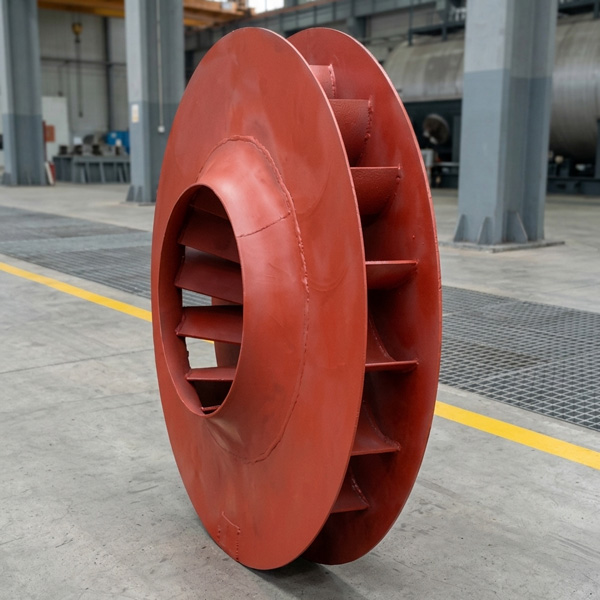
Looking at Abnormal Wear on U250-Y01 Induced Draft Fan Moving Blades
Understand why U250-Y01 induced draft fan blades wear out and how to maintain mechanical linkages. We provide U250-Y01 blades, seals, and connecting rods.03-23
-
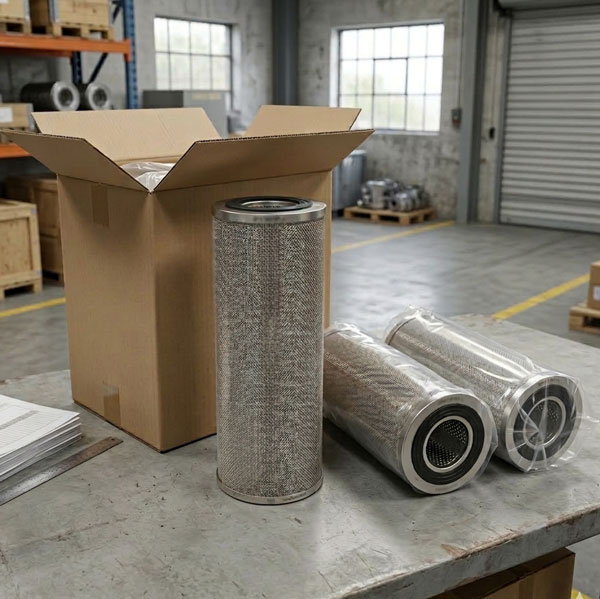
Easy Maintenance with the SDGLQ-60T-36K Duplex Oil Filter for Coal Mills
Learn how to switch the SDGLQ-60T-36K duplex filter element without stopping your coal mill. No oil flow interruption, stable pressure, and zero bypass. Get a quote today.03-17
-
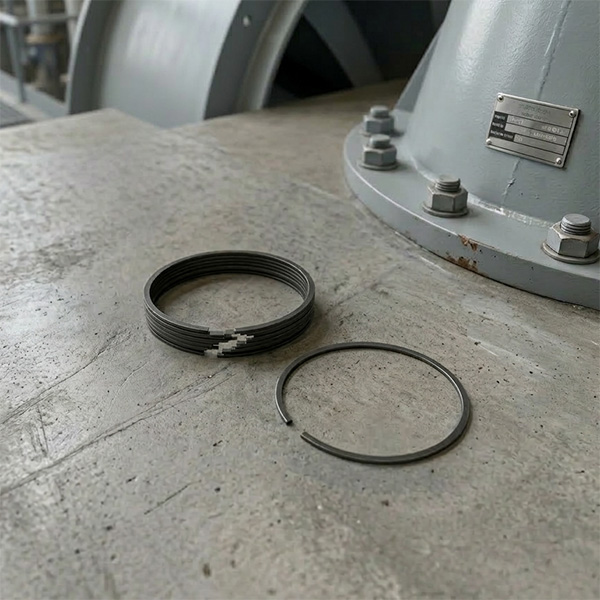
Keeping Your ID Fan Safe with the U2616G2106Y01 Blade Seal Ring
Protect your HU25042-221G fan with the U2616G2106Y01 blade seal ring. Learn how multi-stage sealing prevents bearing jams, blade sticking, and fan stalls.03-12
-
Stopping Oil Leaks with the UYG35/20G010 ID Fan Seal Ring
Stop bearing box leaks with the UYG35/20G010 ID fan seal ring. Learn how gap control and thermal expansion prevent grip failure in induced draft fan spare parts.03-11
-

How to Detect Micro Leakage in Feed Water Pump Gasket FA1D56-03-09 Before It Causes Shutdown
Learn the common failure modes of feed water pump cooling water jacket sealing gasket FA1D56-03-09, including aging, creep relaxation, and mechanical damage. Understand external signs, micro leakage detection methods, and practical maintenance tips to prevent pump shutdown and reduce repair cost.03-02


