


Stopping Oil Leaks with the UYG35/20G010 ID Fan Seal Ring
If you walk through a power plant, you will likely see an induced draft fan. These machines are huge. They move massive amounts of air to keep the boiler working. But if you look at the floor around the bearing box, you might see oil. Oil leaks are a major headache for maintenance teams. Most of the time, the problem is not the bearing itself. The problem is the ID fan seal ring. Specifically, the UYG35/20G010 model is a part that many plants rely on. It is a combined seal that keeps lubrication oil inside where it belongs. When this ID fan seal ring stops working, oil escapes, dust gets in, and eventually, the bearing fails.
Finding a good source for ID fan spare parts is the first step in solving this. If you are struggling with messy bearing boxes, our team can help. We provide the UYG35/20G010 and other essential ID fan spare parts to keep your equipment running clean.
Why the Bearing Box Leaks
A bearing box on an induced draft fan has a rotating shaft. This shaft needs oil to stay cool and spin easily. The seal is there to block the gap between the rotating shaft and the stationary box. The environment inside a fan is not easy. There is heat from the flue gas and constant steel vibration from the fan blades. The ID fan seal ring has to handle all of this.
Most leaks happen because the ID fan seal ring gets damaged. Sometimes the material wears down. Other times, the installation was not done correctly. If the ID fan seal ring does not fit the shaft perfectly, the oil will find a way out. This is why the UYG35/20G010 is designed as a combined unit. It uses different layers to create a better barrier. However, even the best ID fan seal ring will fail if the gap control is wrong.
Complementary ID Fan Components
While the seal ring is vital for oil retention, a fan is a complex system of many moving parts. During a major overhaul, you might need to inspect or replace other ID fan spare parts to ensure the entire assembly works as intended. Below is a list of common parts found in various fan models:
| Part Name | Model / Specification |
|---|---|
| Moving Blade Adjustment Axial Flow Fan Hydraulic Cylinder Input And Output Shaft Spring | PAF18-13.3-2 |
| Primary Fan Servo Valve Gasket | TY9112 |
| Counterweight Castings | 345-70 HZ |
| Gas Station Filter | YTSY-010 |
| Couplings | F529902000119XL5 |
| Induced Draft Fan Lubrication Check Valve | F520204010082RVP20L20 |
| Sealing Ring | 4TY0216 |
| Induced Draft Fan With Adjustable Blades | HU25042-22 |
| Washer | FAF20-9.5-1 |
| Preload Ring | 3TY0228 |
| Spring | FAF20-10-1 |
The Secret to Gap Control in the UYG35/20G010
The UYG35/20G010 ID fan seal ring is not just a solid circle of metal. It is a combined assembly. It usually consists of segments held together by a spring. This design allows the ID fan seal ring to "grip" the shaft. This grip is what creates the seal. But there is a technical balance here. If the gap between the segments is too big, oil leaks through the gaps. If the gap is too small, you run into a different problem.
A very small gap sounds like it would be better for sealing, but that is not true. If the gap is too small, the segments of the ID fan seal ring will touch each other at the ends. When they touch, they cannot move inward any further. The spring is still pulling, but the segments are blocked by each other. This means the ID fan seal ring cannot actually touch the shaft. It loses its grip. Without that close contact, the ID fan seal ring is just a loose ring sitting on a spinning shaft. The oil will spray right past it.
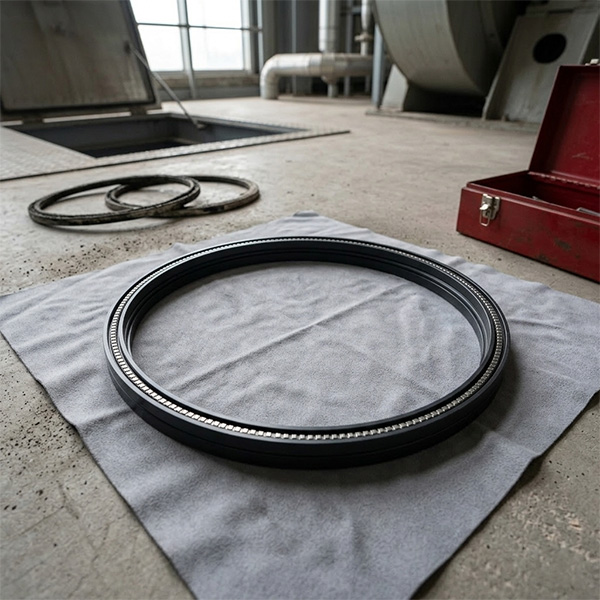
Thermal Expansion and the ID Fan Seal Ring
Temperature changes everything in a power plant. When the fan starts up, the shaft and the ID fan seal ring get hot. Metal expands when it gets hot. The UYG35/20G010 is often made of materials like carbon or specialized alloys. These materials expand at different rates.
If the initial gap in the ID fan seal ring is too tight, the heat will make the segments expand until they butt against each other. Once they are jammed together, they can't adjust to the shaft's movement. An induced draft fan shaft always has a little bit of vibration or "run-out." The ID fan seal ring needs to be able to follow that movement. If it is jammed tight because the gap was too small, it stays rigid. The shaft moves away from the ID fan seal ring, a space opens up, and the seal is gone.
Managing this thermal expansion is a key part of choosing the right ID fan spare parts. You need a seal that is machined to the correct tolerances for your specific operating temperature.
Features of the UYG35/20G010 Model
The UYG35/20G010 is a popular choice because it balances durability with flexibility. Here are some of the technical details that make this ID fan seal ring effective:
| Component | Material/Feature | Purpose in Sealing |
|---|---|---|
| Main Ring Segments | High-grade Carbon or Alloy | Resists wear and handles heat. |
| Garter Spring | Stainless Steel | Provides the "gripping" force on the shaft. |
| Combined Structure | Multi-part Assembly | Allows for movement and thermal expansion. |
| Precision Machining | Tight Tolerances | Ensures the gap control is accurate. |
Using a high-quality ID fan seal ring like this reduces the amount of maintenance you have to do. When you buy ID fan spare parts, you are investing in the stability of your fan. A cheap seal might save money today, but the cost of cleaning up leaked oil and replacing bearings is much higher.
Why a Tight Fit Can Cause "Grip Failure"
It seems strange to say a seal can be too tight, but in the world of the ID fan seal ring, it happens often. Imagine the segments of the seal are like blocks in a circle. There must be a tiny space between each block. The spring pulls the blocks toward the center.
If those spaces (the gaps) are too small, the blocks hit each other. Now, the spring is pulling against the blocks, not the shaft. The ID fan seal ring effectively becomes a solid pipe that is slightly larger than the shaft. This creates a "dead zone" where oil can leak. To prevent this, technicians must measure the gap during installation. If the gap is not right, the ID fan seal ring will never "grip" the shaft properly.
This is a common reason why brand-new ID fan spare parts sometimes leak right after they are installed. It is not always a defect in the part; it is often a gap control issue.
How to Inspect Your ID Fan Seal Ring
When you perform maintenance on your bearing box, you should check the ID fan seal ring carefully. Look at the edges of the segments. If they are polished or shiny, it means they have been rubbing against each other. This is a sign that the gap was too small.
You should also check the spring tension. A weak spring cannot provide enough force for the ID fan seal ring to grip the shaft. If the spring is stretched or rusted, it is time to replace it. We recommend keeping a set of ID fan spare parts on hand so you can replace the spring and the ring at the same time. This ensures the whole assembly works as a single unit.
Essential ID Fan Spare Parts for Maintenance
Doing a real overhaul takes more than just one ID fan seal ring. You really need a full kit to make sure the bearing box doesn't leak anymore. Here are the things you should probably keep in your shop:
- UYG35/20G010 Seal Rings: Have a couple of spares for every fan.
- New Garter Springs: These usually lose their "pull" before the ring actually wears down.
- O-Rings and Gaskets: These seal up the static parts of the bearing housing.
- Assembly Lube: Use a high-heat type when you first put the ID fan seal ring together.
- Cleaning Kits: You have to get the old oil and carbon off the shaft before putting on new ID fan spare parts.
If you keep these ID fan spare parts ready to go, you can cut your downtime from a few days down to just a few hours. If you aren't sure which size fits your fan, our team can look at your drawings and tell you exactly what you need.
Practical Tips for Installing the UYG35/20G010
When you are ready to put in your new ID fan seal ring, don't rush it. Take some time to clean the shaft until it is totally smooth. If there is dirt on the shaft, it will act like sandpaper and eat your new ID fan seal ring.
Before you put that spring on, just set the segments around the shaft. Take a look at the spaces between the ends of the segments. You should see a little bit of daylight there. If the segments are already touching before the spring pulls them, then the ID fan seal ring is either the wrong size or it needs some adjustment.
After the ID fan seal ring is on, try to turn the shaft by hand. Listen for any weird scratching sounds. A good ID fan seal ring should be snug, but it shouldn't cause a ton of friction. Getting this balance right is what makes the UYG35/20G010 one of the best ID fan spare parts you can use.
Procurement Advice
The ID fan seal ring is just a small part, but it does a massive job. If your UYG35/20G010 isn't right, your whole induced draft fan is in trouble. If you understand how gap control and heat work, you can stop "grip failure" and those annoying oil leaks. Just remember: a seal that is too tight is just as bad as one that is too loose.
If you need high-quality ID fan spare parts, we are here to help your plant out. We know the technical details of the UYG35/20G010 and we can get you the parts you need to stop leaks for good. Reach out to us today to get a price or to ask for some technical tips on your ID fan seal ring installation. Our experts are ready to help you pick the right ID fan spare parts so your power plant stays efficient.
HKCYT-2026-03-11


-
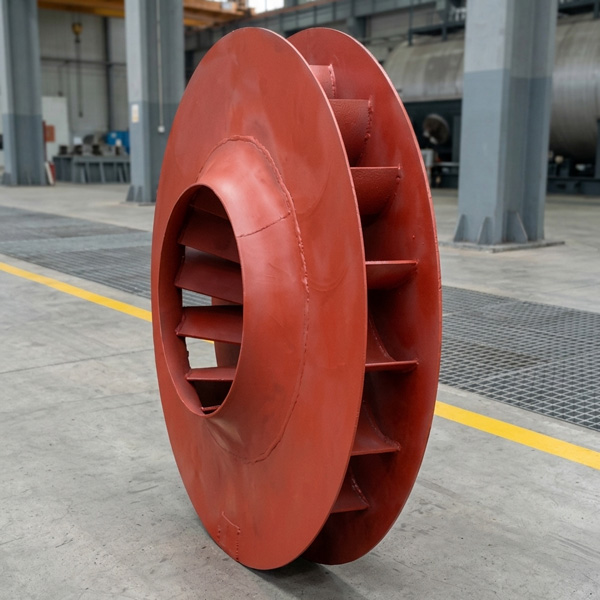
Looking at Abnormal Wear on U250-Y01 Induced Draft Fan Moving Blades
Understand why U250-Y01 induced draft fan blades wear out and how to maintain mechanical linkages. We provide U250-Y01 blades, seals, and connecting rods.03-23
-
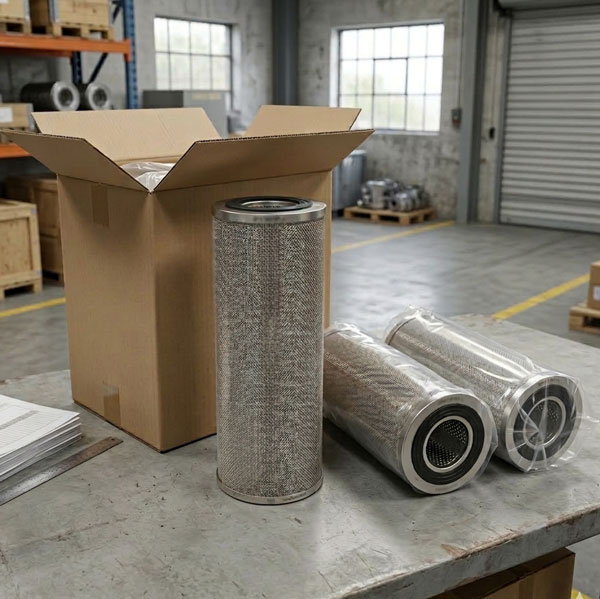
Easy Maintenance with the SDGLQ-60T-36K Duplex Oil Filter for Coal Mills
Learn how to switch the SDGLQ-60T-36K duplex filter element without stopping your coal mill. No oil flow interruption, stable pressure, and zero bypass. Get a quote today.03-17
-
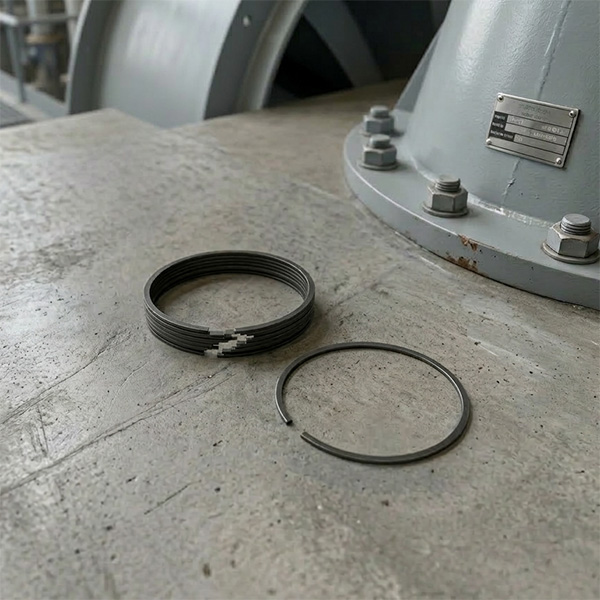
Keeping Your ID Fan Safe with the U2616G2106Y01 Blade Seal Ring
Protect your HU25042-221G fan with the U2616G2106Y01 blade seal ring. Learn how multi-stage sealing prevents bearing jams, blade sticking, and fan stalls.03-12
-

Stopping Oil Leaks with the UYG35/20G010 ID Fan Seal Ring
Stop bearing box leaks with the UYG35/20G010 ID fan seal ring. Learn how gap control and thermal expansion prevent grip failure in induced draft fan spare parts.03-11
-
How to Detect Micro Leakage in Feed Water Pump Gasket FA1D56-03-09 Before It Causes Shutdown
Learn the common failure modes of feed water pump cooling water jacket sealing gasket FA1D56-03-09, including aging, creep relaxation, and mechanical damage. Understand external signs, micro leakage detection methods, and practical maintenance tips to prevent pump shutdown and reduce repair cost.03-02


