


Fan Blade Bolt Failure UY2614G03: Boiler System Deep Dive and Solutions
In power plant boiler systems, the Primary Air (PA) Fan is a critical player—it's responsible for blowing cold air into the boiler furnace to mix with the fuel for combustion. If it fails, the entire rhythm of boiler operation is thrown into chaos. Within the PA fan's components, the seemingly insignificant UY2614G03 blade bolt is supremely important. It's specifically adapted for boiler fans, capable of withstanding a pulling force equivalent to four family cars. Normally, it should work reliably for over 15 months, enduring vibration, high temperatures from the boiler surroundings, and constant dust erosion. However, a bolt fracture in the PA fan of Boiler No. 3 at a certain power plant recently almost led to a major incident.
The Incident: The Tell-Tale Clatter
Foreman Zhang, on his inspection route, immediately sensed something was off in the boiler workshop. The PA fan's usual smooth "whoosh" sound was mixed with a disturbing "grinding and clattering" noise, and touching the fan casing confirmed significantly higher-than-normal vibration. He quickly grabbed his binoculars and focused on the fan blades, observing noticeable wobbling at the tips, as if they weren't securely fastened. Without hesitation, he reported the issue, and the boiler was taken offline for maintenance. Upon dismantling the fan casing, a chill went down his spine: one of the UY2614G03 bolts connecting the blade to the hub had snapped clean in two, and two others had visible cracks in the shank, held together by only a thin amount of metal. Any later discovery, and a blade could have been thrown, leading to unimaginable consequences.
Unpacking the Failure: Multi-Factor Degradation
To understand why the bolt broke, the fracture surface was the first clue. Lab analysis showed the break was not a clean slice but covered in wave-like patterns, much like beach marks—the definitive sign of fatigue failure. Like repeatedly bending a metal wire, even if the force isn't large each time, accumulated stress eventually leads to structural failure. Further investigation revealed a complex set of problems:
- Material Purity Flaw: Microscopic examination revealed fine sulfide inclusions within the metal structure. These impurities acted as "micro-cavities" where stress concentrated under load, initiating cracks. Although the UY2614G03 standard allows for minor impurities, the fractured bolt had an impurity content 12% higher than the specified limit, a manufacturing flaw that set the stage for failure.
- Installation Error (Insufficient Pre-tension): During PA fan operation, changes in air pressure cause the blades to oscillate, forcing the bolt to endure alternating "tension-compression" forces. The investigation found that two UY2614G03 bolts in the set were under-torqued—the standard requirement was 900N·m, but the actual value was only 800N·m. This inadequate pre-tension meant these bolts couldn't properly bear the load, shunting the excess stress onto the others, effectively accelerating their 15-year lifespan wear and tear.
- Harsh Environment (Thermal and Dust Stress): The boiler environment added significant stress. The surrounding temperature frequently hit 60, causing gradual degradation of the metal's properties. Moreover, fine dust infiltrated the contact surface between the bolt and the flange, preventing uniform load transmission, increasing local pressure, and hastening crack initiation. Compounding this, the anti-corrosion coating on one bolt was scraped during installation, allowing workshop humidity to cause rust and further reduce its load-bearing capacity.
Systemic Fixes: A Proactive Protection Scheme
The immediate emergency response involved replacing all UY2614G03 bolts on Boiler No. 3's PA fan with new, rigorously tested units. Installation adopted a refined method: "Smart Torque Wrench + Temperature Compensation." Since the boiler area is hot and bolts expand, a temperature compensation value was calculated and applied before tightening the bolts to the standard high pre-tension, ensuring uniform stress. Spot checks on other PA fans across the plant also revealed four under-torqued UY2614G03 bolts, which were immediately corrected, proactively eliminating risks.
Building Long-Term Resilience: The Full-Chain Strategy
However, fixing the immediate problem is not enough. A holistic protection system is crucial:
- Enhanced Procurement Checks: A "High-Temperature Metallography Test" was added to the procurement stage. Incoming UY2614G03 bolt batches are now sampled to check metal structure purity and undergo high-temperature strength testing to ensure performance in the boiler environment.
- Corrosion Barrier Upgrade: The bolt's anti-corrosion coating thickness was increased by 15%, and an outer layer of high-temperature anti-rust grease was applied, forming a dual-layer defense against moisture and dust.
- Standardized Installation: Reliance on experience was replaced by smart torque wrenches with display screens. The wrench shows the real-time torque and automatically alarms at the set standard, eliminating human error. Pre-installation procedures now strictly require cleaning the flange contact surface—sanding down burrs, blowing away dust with compressed air, and applying a layer of high-temperature lubricant to ensure uniform load distribution.
- Continuous Monitoring: The inspection cycle was shortened from two months to one month. Each check includes ultrasonic detection for internal cracks, a torque wrench check for pre-tension, and an infrared thermometer check for localized overheating.
- Real-time Stress Warning: Strain gauges were attached to each bolt to monitor stress changes continuously. If the load exceeds the safe threshold, the system automatically triggers an alarm, establishing a shift from "repair after failure" to "proactive warning."
The UY2614G03 bolt failure, while seemingly a small component error, was actually a compounding effect of material issues, installation failures, and environmental stress. The PA fan is central to the entire power plant's stability; its operation is non-negotiable. Solving this required more than a simple bolt replacement—it demanded a full-chain management system from procurement to installation to maintenance.
Materials must be qualified, installation must be standardized, and maintenance must be timely. Only by rigorously focusing on every detail can each bolt fulfill its function, guarding the bottom line of boiler safety. After all, in a power plant, any problem with a small component can lead to a major headache, and there is absolutely no room for carelessness.


-
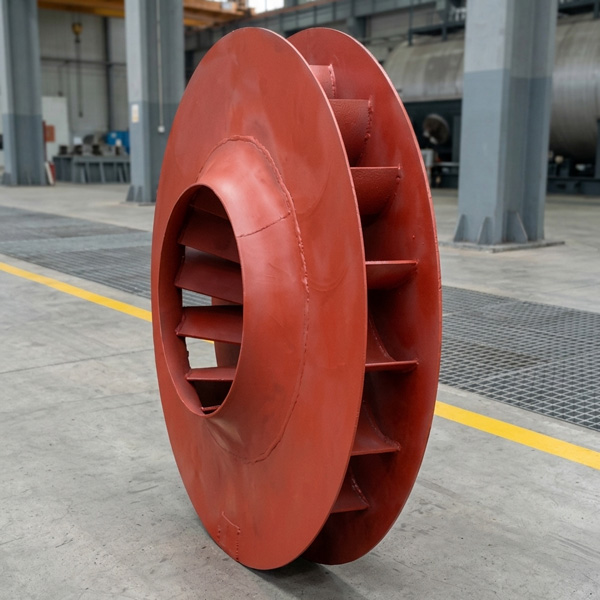
Looking at Abnormal Wear on U250-Y01 Induced Draft Fan Moving Blades
Understand why U250-Y01 induced draft fan blades wear out and how to maintain mechanical linkages. We provide U250-Y01 blades, seals, and connecting rods.03-23
-
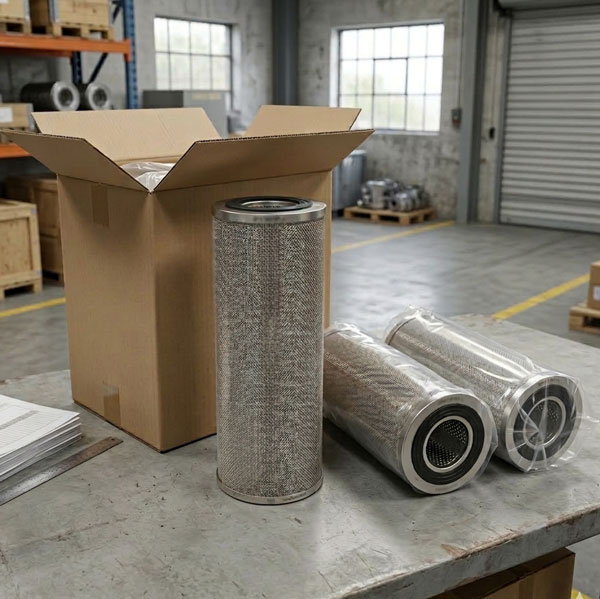
Easy Maintenance with the SDGLQ-60T-36K Duplex Oil Filter for Coal Mills
Learn how to switch the SDGLQ-60T-36K duplex filter element without stopping your coal mill. No oil flow interruption, stable pressure, and zero bypass. Get a quote today.03-17
-
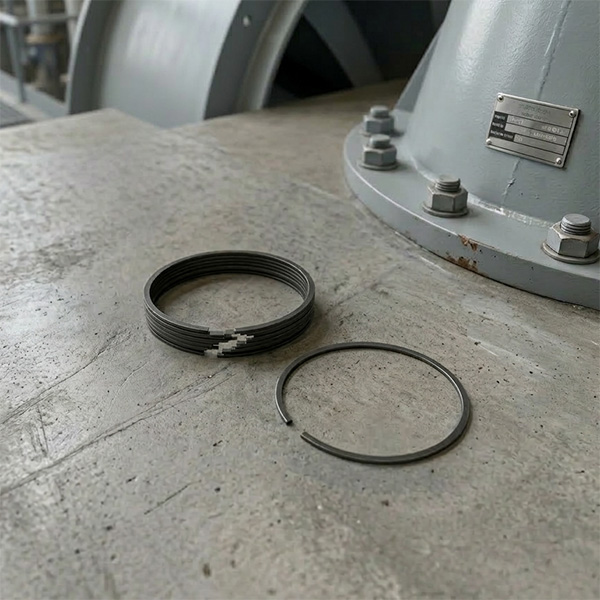
Keeping Your ID Fan Safe with the U2616G2106Y01 Blade Seal Ring
Protect your HU25042-221G fan with the U2616G2106Y01 blade seal ring. Learn how multi-stage sealing prevents bearing jams, blade sticking, and fan stalls.03-12
-
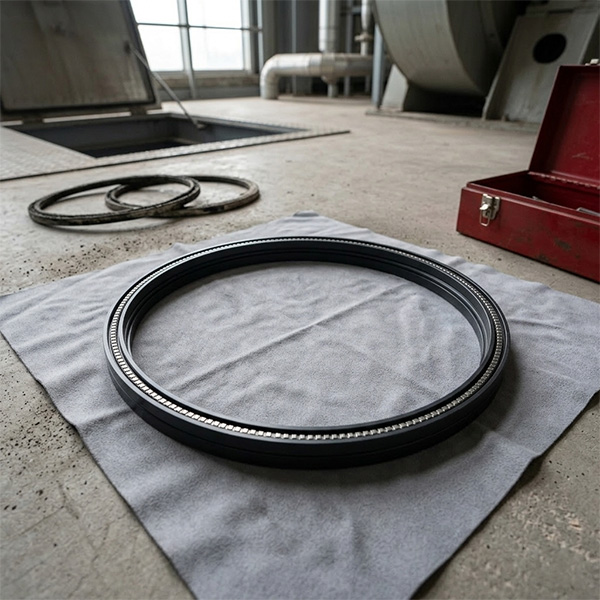
Stopping Oil Leaks with the UYG35/20G010 ID Fan Seal Ring
Stop bearing box leaks with the UYG35/20G010 ID fan seal ring. Learn how gap control and thermal expansion prevent grip failure in induced draft fan spare parts.03-11
-
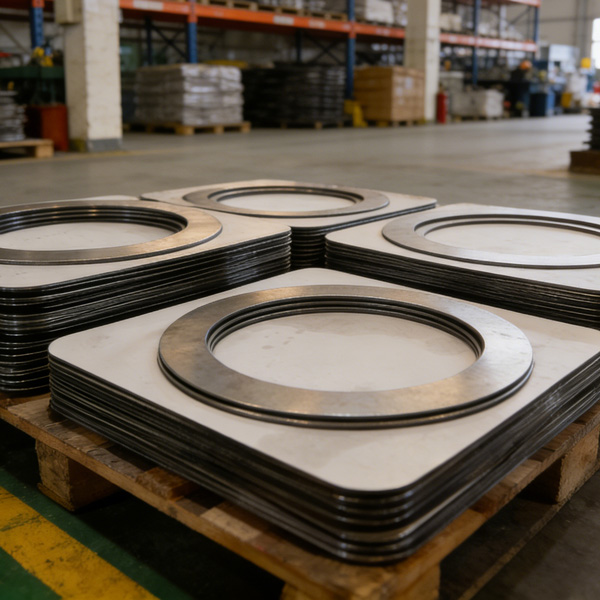
How to Detect Micro Leakage in Feed Water Pump Gasket FA1D56-03-09 Before It Causes Shutdown
Learn the common failure modes of feed water pump cooling water jacket sealing gasket FA1D56-03-09, including aging, creep relaxation, and mechanical damage. Understand external signs, micro leakage detection methods, and practical maintenance tips to prevent pump shutdown and reduce repair cost.03-02


