


38CrMoAlA Material —— A Breakthrough Application in High-Temperature Superheater Block Valve Liners
Industry Context: The Urgent Need for High-Temperature Component Material Upgrades
Boilers are the thermal energy heart of critical industrial sectors like power generation, chemicals, and metallurgy. Their safe and stable operation directly dictates production efficiency and facility safety. The high-temperature superheater system, in particular, is the zone of highest temperature (often exceeding 600°C) and pressure. Components here must withstand extreme thermal and pressure shock over long periods.
The block valve liner, a seemingly small but crucial interface part, is especially challenged: it must provide sealing isolation between the pipe and the block valve while simultaneously resisting severe high-temperature abrasion and corrosive media. Traditional materials frequently fail due to insufficient performance, leading to leaks, cracking, and millions in annual maintenance losses for companies. Is premature failure costing you a fortune? Upgrade your liners now—contact us to find out how!
"We used to rely on standard alloy steel liners, which forced us to shut down for replacement every three months on average. This not only hampered our production schedule but posed a safety risk," states Engineer Wang, Equipment Department Director at a major thermal power plant. The material inadequacy of the superheater block valve liner has become a critical "pain point" restricting long-term boiler operation.
Component Analysis: The Synergistic Protection of the Valve and Liner
According to industrial equipment experts, the high-temperature superheater block valve acts as the boiler system's "emergency gate." It must rapidly seal off superheater piping during maintenance, start-up/shutdown, or pipeline failures, preventing high-temperature steam leaks.
The liner, functioning as a "cushioning protector" between the valve and the pipe, is installed at the sealing and contact interfaces, performing three critical functions: First, it fills the sealing gap to prevent high-temperature steam penetration. Second, it isolates the block valve from direct pipe friction, minimizing wear. Third, it absorbs thermal expansion and contraction stresses resulting from temperature fluctuations, preventing component deformation.
"Though small, the liner is the 'safety barrier' of the high-pressure, high-temperature system," emphasizes Professor Li, a committee member of the Materials Branch of the Chinese Mechanical Engineering Society. Liner failure can trigger a cascade of issues, including steam leaks and pipe corrosion, potentially leading to boiler trips. Therefore, material selection must balance four core requirements: sealing performance, wear resistance, heat resistance, and anti-fatigue strength.
Material Breakthrough: The Five Performance Advantages of 38CrMoAlA
(1) High Surface Hardness and Abrasion Resistance
After the nitriding process, 38CrMoAlA's surface hardness reaches HV 950–1200 (equivalent to HRC 65–70)—three to four times that of ordinary carbon steel. This effectively withstands the frictional loss between the block valve and the pipe, extending the liner's service life from mere months to over two years.
(2) Exceptional Thermal Stability
The nitrided layer maintains stable hardness below 600°C. It resists hardness drop or cracking, even during the sudden temperature changes experienced during boiler start-up and shutdown, making it perfectly suited for the harsh superheater environment.
(3) Enhanced Corrosion Resistance
The addition of 1.35–1.65% chromium and 0.70–1.10% aluminum creates a dense, protective oxide film. This film combats corrosive media found in high-temperature steam, mitigating internal pipe wall corrosion risks.
(4) Reliable Mechanical Properties
The material boasts a tensile strength of ≥ 980 MPa, yield strength of ≥ 835 MPa, paired with an elongation of ≥ 14% and impact energy of ≥ 71 J. This mechanical robustness ensures the liner resists deformation or fracture under high-pressure impact, meeting long-term load-bearing demands.
(5) Excellent Processing Adaptability
38CrMoAlA can be reliably shaped using standard machining methods like turning and milling. Its superior weldability allows for easy customization of liner sizes for various boiler models, simplifying the manufacturing process.
Cross-Sector Application: A "Material Rising Star" from Boiler to Multi-Industry Use
Beyond the boiler superheater valve liner, the comprehensive performance advantages of 38CrMoAlA have led to its widespread adoption across several industrial fields:
- Mechanical Engineering: Used to manufacture inner rings for large bearings, high-precision gears, and transmission shafts, solving the premature wear and short lifespan issues of traditional materials.
- Automotive Industry: A key material for engine turbocharger components and crankshafts, well-suited for the high-temperature, high-pressure operating environment of modern engines.
- Petrochemical Sector: Utilized in the production of high-temperature oil pipelines and reactor sealing components, offering resistance to corrosion from crude oil and chemical media.
"Our company's 38CrMoAlA-based products already hold a 35% market share in the automotive turbocharger component sector," notes Mr. Zhang, director of a specialty steel manufacturing enterprise. As industrial equipment demands higher material performance, the market demand for this material is growing at an annual rate of 20%.
Industry Outlook: Specialty Steel Powers Industrial Equipment Upgrades
"The application of 38CrMoAlA in the high-temperature superheater block valve liner is a prime example of specialty steel empowering the upgrade of traditional industrial equipment." With the advancement of Industry 4.0 and smart manufacturing, more high-performance specialty steels—such as ceramic-matrix composites resistant to temperatures over 1000°C and highly corrosion-resistant Hastelloy alloys—will be integrated into core equipment components. This continuous material evolution will further enhance the safety, stability, and economic viability of industrial operations.


-
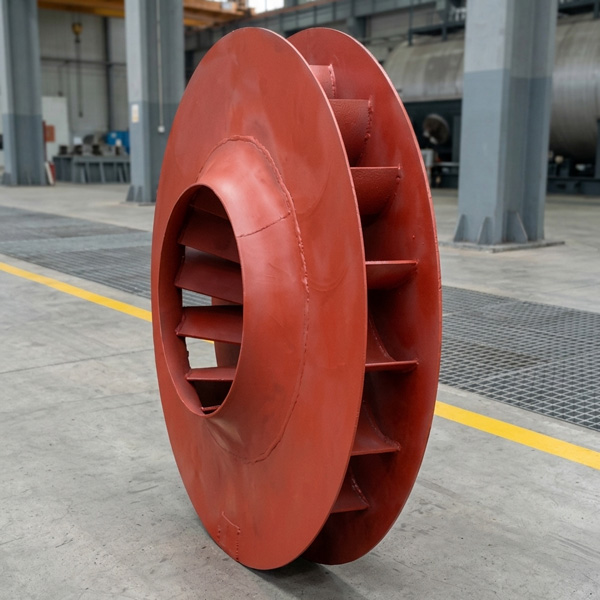
Looking at Abnormal Wear on U250-Y01 Induced Draft Fan Moving Blades
Understand why U250-Y01 induced draft fan blades wear out and how to maintain mechanical linkages. We provide U250-Y01 blades, seals, and connecting rods.03-23
-
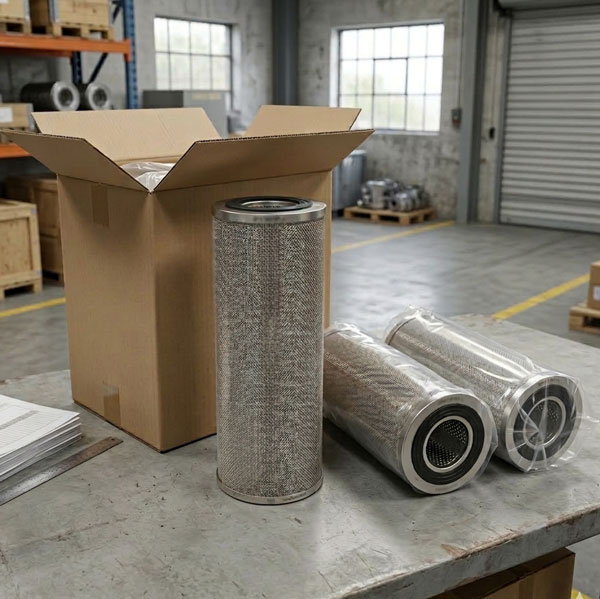
Easy Maintenance with the SDGLQ-60T-36K Duplex Oil Filter for Coal Mills
Learn how to switch the SDGLQ-60T-36K duplex filter element without stopping your coal mill. No oil flow interruption, stable pressure, and zero bypass. Get a quote today.03-17
-
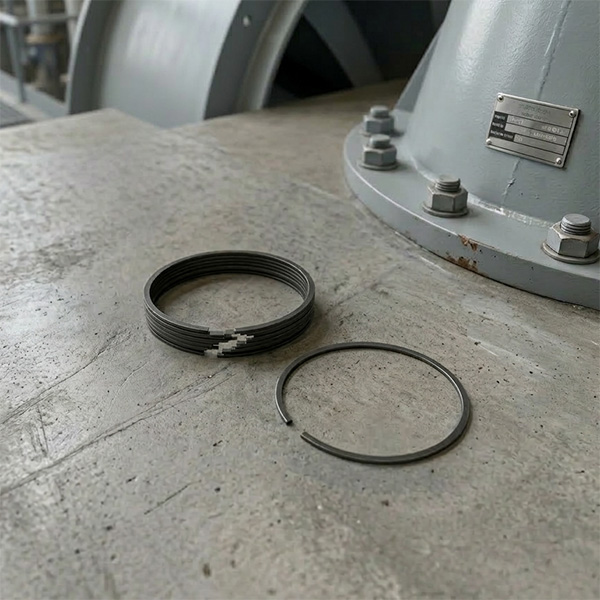
Keeping Your ID Fan Safe with the U2616G2106Y01 Blade Seal Ring
Protect your HU25042-221G fan with the U2616G2106Y01 blade seal ring. Learn how multi-stage sealing prevents bearing jams, blade sticking, and fan stalls.03-12
-
Stopping Oil Leaks with the UYG35/20G010 ID Fan Seal Ring
Stop bearing box leaks with the UYG35/20G010 ID fan seal ring. Learn how gap control and thermal expansion prevent grip failure in induced draft fan spare parts.03-11
-
How to Detect Micro Leakage in Feed Water Pump Gasket FA1D56-03-09 Before It Causes Shutdown
Learn the common failure modes of feed water pump cooling water jacket sealing gasket FA1D56-03-09, including aging, creep relaxation, and mechanical damage. Understand external signs, micro leakage detection methods, and practical maintenance tips to prevent pump shutdown and reduce repair cost.03-02


