


FA1D67-02-04 Radial Bearing—The "Shaft Stabilizer" for the FA1D67 Booster Pump
In power plants, you often hear techs say, "If the pump shaft is steady, the equipment is steady"—and this is especially true for the FA1D67 steam pump booster pump. One plant had a strange issue: their FA1D67 booster pump suddenly started vibrating heavily, the impeller rubbed the casing, and the seal leaked. When they stripped it down, they found the radial bearing supporting the pump shaft had worn out.
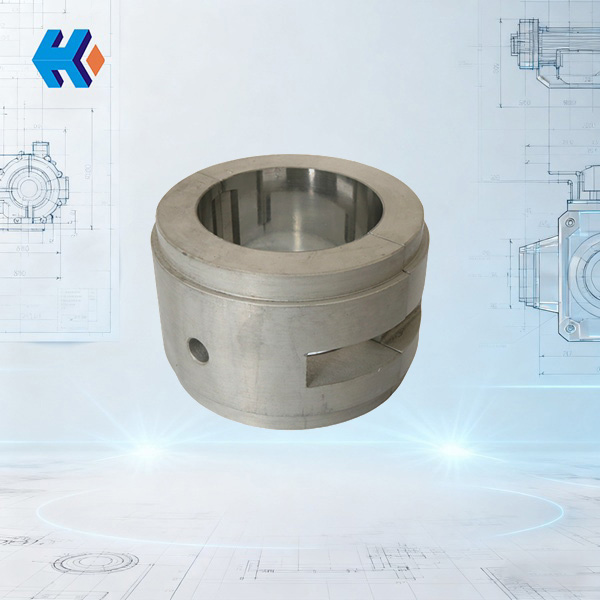
The part that solves this critical stability issue is the FA1D67-02-04 Radial Bearing. It looks like just a metal ring, but it's built to resist the shaft's radial forces, preventing the shaft from wobbling and protecting the entire pump's stable operation.
I. This Is No Ordinary Bearing: The FA1D67 Booster Pump's "On-Shaft Support"
The core job of the FA1D67-02-04 Radial Bearing is simple: "Keep the pump shaft steady." When the FA1D67 booster pump runs, the shaft and impeller spin at high speed, creating outward radial forces. Without a bearing to hold it, the shaft will wobble, which at best ruins the seal, and at worst causes the impeller to scrape the casing, leading to an immediate shutdown. So, this bearing must be tough and work well with other components to create a "full protection" system.
It doesn't work alone; it teams up with a bunch of accessories. For example, the other end of the shaft needs its sister radial bearing, the FA1D67-02-03, for dual stability. The Oil Deflector Ring FA1D67-02-01 and Oil Retaining Ring FA1D67-02-01A must hold back the lube oil, keeping it from leaking and contaminating the bearing. The Mechanical Seal FA1D67-D blocks the process medium, preventing it from leaking in and corroding the bearing. Finally, the Free-End Thrust Bearing FA1D67 handles axial loads, sharing the workload. The table below clearly lists the roles of these "partners":
| Part Model | Part Name | Coordinated Function with FA1D67-02-04 Radial Bearing | Applicable Scenario |
|---|---|---|---|
| FA1D67-02-03 | Radial Bearing | Supports the two ends of the pump shaft with FA1D67-02-04, collectively limiting radial displacement and ensuring concentricity | Both Ends of Pump Shaft Support |
| FA1D67-01-04 | Impeller | Once the bearing stabilizes the pump shaft, the impeller ensures precise flow and avoids rubbing the casing | Pump Medium Conveyance |
| FA1D67-02-01/01A | Oil Deflector/Retaining Ring | Prevents lubricating oil leakage that could contaminate the bearing, ensuring a clean lubrication environment | Bearing Lubrication Protection |
| FA1D67-D | Mechanical Seal | Blocks medium leakage into the bearing area, preventing medium corrosion of the bearing | Pump Medium Sealing |
| FA1D67 | Free-End Thrust Bearing | Handles axial load, shares the job with the radial bearing, preventing axial force from crushing the radial bearing | Shaft System Load Distribution |
II. Four Key Technical Strengths: Wear-Resistant, Rust-Proof, Heat-Tolerant, and Easy to Fit
Why does the FA1D67-02-04 manage to "stay put" in a power plant? It's not because it's overly complicated, but because every technical detail addresses a plant pain point.
1. Wear-Resistant and Crack-Proof, It Lasts Longer
This bearing uses a "Quenching + Low-Temperature Tempering" process: first, it’s quenched at a high temperature of 850-900 degrees Celsius to achieve a surface hardness of HRC55-60—the pump shaft can rub it, but it won't care. Then, it's tempered at a low temperature of 150-200 degrees Celsius to relieve internal stress, ensuring it won't crack under load. One plant compared it: standard bearings wore out in 1 year, but this one lasted over 2 years, with the radial clearance still within the acceptable range.
2. Dual-Layer Rust Protection, Unfazed by Oil and Moisture
Plant machine halls are damp, greasy, and sometimes near desulfurization systems with corrosive gases. This bearing’s surface has a "Phosphating + Electrophoresis" dual-layer protection: phosphating creates a dense base layer, like giving the bearing an "undershirt"; electrophoresis then applies a corrosion-proof top coat, blocking water, oil, and corrosive gases. A southern power plant has used it for almost 3 years, and the surface shows zero rust, doubling the life compared to bearings without rustproofing.
3. Handles Minus 30 to 120 Degrees Celsius
Northern power plant engine rooms can hit minus 30 degrees Celsius in winter, while bearing temperatures can approach 100 degrees Celsius during high-load summer operation. This bearing's operating temperature range covers -30 degrees Celsius to 120 degrees Celsius. It won't become brittle when starting up in winter, nor will it soften from the heat in summer. A power plant in the Northeast mentioned that when starting the pump in winter, other parts need preheating—but not this bearing; you install it, and it's ready to turn.
4. Install It Right Out of the Box, No Hassle
Maintenance windows are tight at power plants; nobody wants to spend time grinding parts. This bearing’s dimensional tolerance is controlled to IT6 grade. The inner diameter, outer diameter, and width fit the FA1D67 pump shaft and bearing housing perfectly. You can literally install it straight out of the packaging without on-site modification. Plus, its size is the same as the FA1D67-02-03, so you don't need to stock two different models, saving a lot of headaches if a tech grabs the wrong one.
III. Three Scenarios Mandating Replacement: Don't Wait Until It's Broken
The FA1D67-02-04 has a high "utilization rate" in power plants, and in the three scenarios below, replacement is a must.
1. Routine Check: Hear an Abnormal Noise? Change It ASAP
During routine checks, techs use a listening rod on the bearing housing. If they hear a "shush-shush" sound, the bearing raceway is likely worn. If the vibration value exceeds 0.08 mm or the temperature is over 80 degrees Celsius, the pump must be shut down immediately and the bearing replaced. One plant ignored the signs and pushed it for two days. The shaft wobble ruined the seal and rubbed the impeller. What should have been a 2-hour bearing replacement turned into a full-day repair, losing significant generation. When replacing it, remember to check the oil deflector and retaining rings; if they are leaking oil, replace them too for safety.
2. Major Overhaul: Mandatory Replacement Regardless of Condition
The FA1D67 booster pump undergoes a major overhaul every 3-5 years. At this time, regardless of how the bearing looks, if the radial clearance exceeds 0.15 mm or if there is any sign of pitting on the raceway or a breach in the anti-rust layer, it must be replaced with a new one. During a major overhaul, the impeller, mechanical seal, and thrust bearing are usually replaced too; new bearings paired with new parts ensure the shaft system is stable. One plant tried to save money by reusing an old bearing during a major overhaul. Six months later, the bearing failed, forcing another shutdown and ultimately costing more money.
3. Special Conditions: Stock Up to Prevent Stockouts
Pumps at peak-shaving power plants start and stop frequently, putting high stress on bearings, making them prone to failure. Remote plants have slow logistics, making parts hard to replace. These plants stock several FA1D67-02-04 bearings in advance. For example, during a peak summer season, a peaking plant had a sudden bearing failure. Because they had spares, they replaced it in 4 hours and resumed generation, ensuring the power supply wasn't disrupted.
IV. Choosing the Right Spare Part Saves You Trouble
Ultimately, the FA1D67-02-04 is the "shaft stabilizer" for the FA1D67 booster pump—a steady shaft means a steady pump, and smooth sailing for plant operation. Next time you encounter a shaft wobble issue during maintenance, check if this bearing is due for replacement. Choosing the right spare part saves a lot of trouble. For power plant techs, a good bearing doesn't need to be fancy; like the FA1D67-02-04, it just needs to be wear-resistant, rust-proof, and easy to install—it needs to solve the real problem.
The professional spare parts supplier DONGFANG SRI not only offers genuine bearings but can also package the complementary parts like the oil deflector rings and mechanical seals, so you don't have to source them individually. If you're unsure of the model number, their technical team can help verify it, preventing mistaken purchases.
HKCYT-2025-10-29


-
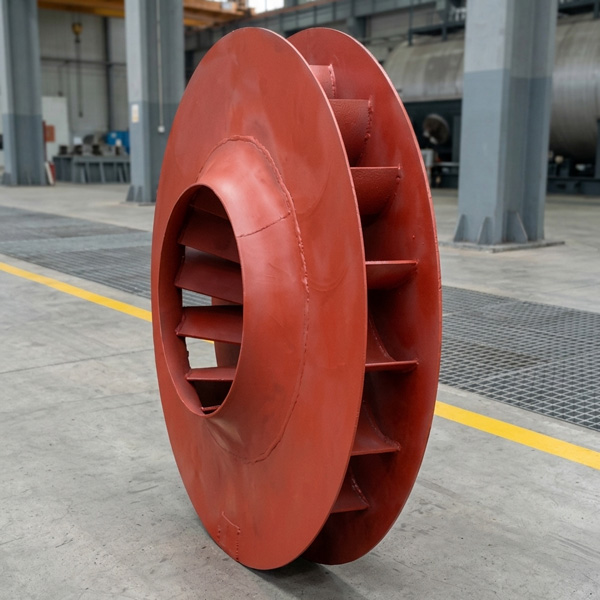
Looking at Abnormal Wear on U250-Y01 Induced Draft Fan Moving Blades
Understand why U250-Y01 induced draft fan blades wear out and how to maintain mechanical linkages. We provide U250-Y01 blades, seals, and connecting rods.03-23
-
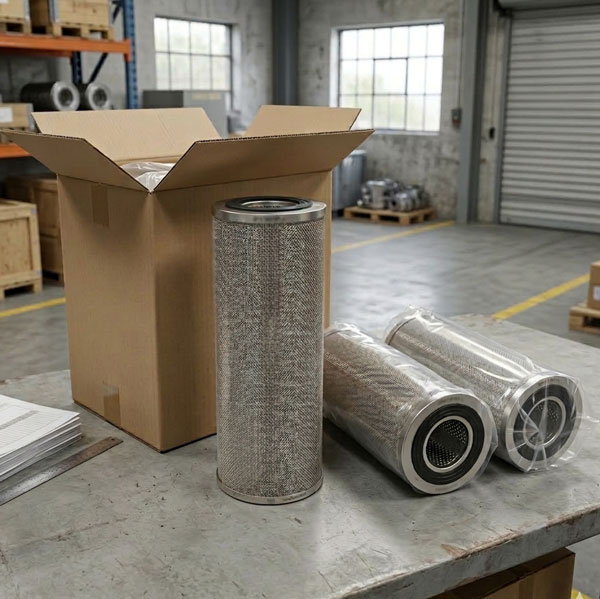
Easy Maintenance with the SDGLQ-60T-36K Duplex Oil Filter for Coal Mills
Learn how to switch the SDGLQ-60T-36K duplex filter element without stopping your coal mill. No oil flow interruption, stable pressure, and zero bypass. Get a quote today.03-17
-
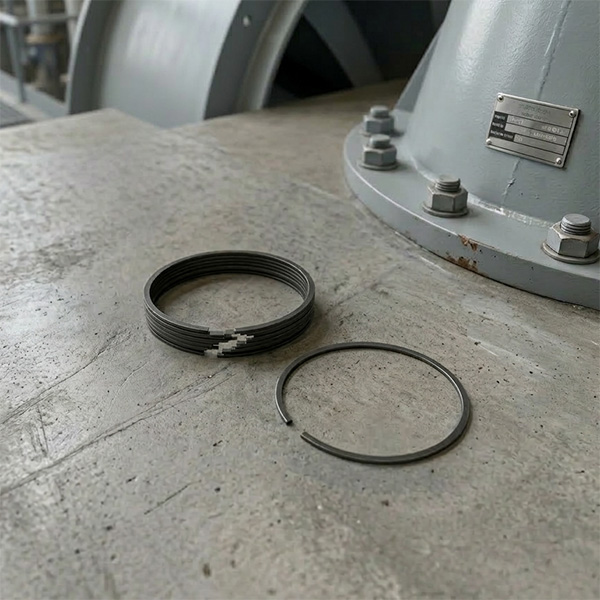
Keeping Your ID Fan Safe with the U2616G2106Y01 Blade Seal Ring
Protect your HU25042-221G fan with the U2616G2106Y01 blade seal ring. Learn how multi-stage sealing prevents bearing jams, blade sticking, and fan stalls.03-12
-
Stopping Oil Leaks with the UYG35/20G010 ID Fan Seal Ring
Stop bearing box leaks with the UYG35/20G010 ID fan seal ring. Learn how gap control and thermal expansion prevent grip failure in induced draft fan spare parts.03-11
-
How to Detect Micro Leakage in Feed Water Pump Gasket FA1D56-03-09 Before It Causes Shutdown
Learn the common failure modes of feed water pump cooling water jacket sealing gasket FA1D56-03-09, including aging, creep relaxation, and mechanical damage. Understand external signs, micro leakage detection methods, and practical maintenance tips to prevent pump shutdown and reduce repair cost.03-02


