


Don't Let Overheating Kill Your Coal Mill! Four Simple Steps to Protect SNS210R46 Screw Pump
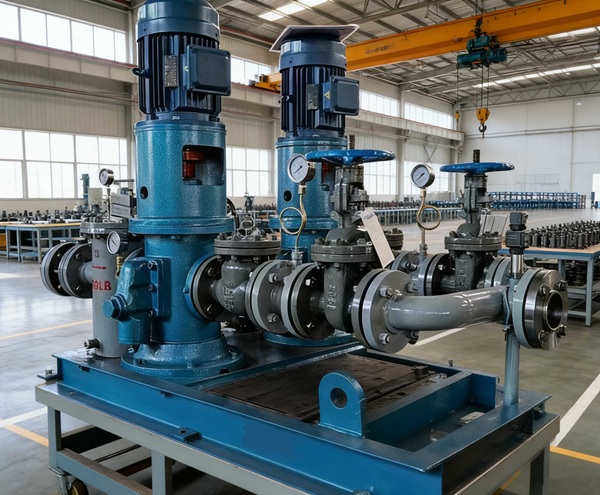
A coal mill like the ZGM95N operates like a massive grinding disc. To produce coal dust of acceptable quality, it relies on a hydraulic system to control the lifting and pressure of the grinding roller, the 29MG63.11.09. The hydraulic system is the mill's muscle, providing the force for the job. The SNS210R46 three-screw pump is the heart that delivers the "nutritive fluid"—the hydraulic oil—to power that muscle.
If this pump overheats, the consequences are severe: the "nutritive fluid" thins out, the 29MG63.11.09 roller loses its grinding pressure, and in worst-case scenarios, the pump literally "burns out." The coal mill must then shut down, halting production. Today, we'll explain, in the simplest terms, four practical strategies to prevent overheating and detail the essential spare parts you need to keep on hand.
1. Hydraulic Oil Must Be "Qualified, Clean, and Sufficient"
Let's start with the nutritive fluid (hydraulic oil). You can't just pour in any liquid; like humans need potable water, this oil must handle high system pressure and provide smooth lubrication to the pump's internal components, preventing dry friction.
If the wrong oil is chosen, or if the oil is contaminated with metal shavings and dust, the pump's components will experience dry rubbing, generating intense heat. Furthermore, the oil level in the reservoir must never drop below the minimum line. If the oil runs low, the pump operates like it's thirsty, either failing to suck in enough oil or drawing in air, which also causes it to strain and overheat.
Dongfang SRI Recent Case Study
A power plant's ZGM133G coal mill, using an SNS210R46 pump, overheated to 65 degrees C (normal is 45-50 degrees C) within an hour of startup. The initial thought was that the pump was faulty, but replacing it didn't solve the overheating. A technician first checked the oil—and found it visibly contaminated with small metal chips; its cleanliness was far below standard. Moreover, the plant was using standard hydraulic oil instead of the required anti-wear grade.
The technician immediately changed the oil, installed two new filters (one coarse, one fine, specifically to block impurities), and added a magnetic oil filter at the pump inlet (highly effective at capturing ferrous shavings). They also cleaned 5 millimeters of thick sludge from the reservoir bottom. After these steps, the pump temperature stabilized, and it returned to smooth operation.
Required Spare Parts
| Component | Model | Purpose/Key Action |
|---|---|---|
| Filters | Various | Change oil filter elements quarterly; clean magnetic filters monthly. |
| Hydraulic Oil | N/A | Replace when the oil appears cloudy or darkens. |
| Thrust Ball Bearing | GEES-TC | Crucial for bearing the axial load; replace upon wear. |
| Three-Screw Pump | SNS440R40, SNS280R43 | Spares for larger capacity or quick replacement. |
| Backup Oil Pump | GP10041R97F20N | Small, easy-to-install auxiliary pump for temporary system pressure maintenance to prevent mill trip. |
| Auxiliary Pump | GP2-0140R97F/20N, PFG-128, PFG-142/RO, PFG211, PFG-214/RO, PFG327/D/RO, PFG-327/RO | Various auxiliary or replacement pumps for different needs (e.g., higher pressure resistance, larger flow). |
2. The SNS210R46 Pump Must Not Be Overworked; Respect Pressure and Speed Limits
The coal mill hydraulic system has a "normal operating pressure," usually marked on the pressure gauge (e.g., 10-16 MPa). This is like a truck rated to haul 5 tons; if you force it to haul 10, the vehicle will quickly break down. If you raise the pressure to 20 MPa or higher just to grind more coal, the pump is straining with excessive force. Components are subjected to excessive stress and will quickly generate heat.
The rotational speed of the SNS210R46 pump is driven by the electric motor and cannot be manually adjusted. If a motor fault causes the speed to increase, the pump spins too fast and also overheats.
A cement plant, attempting to boost coal output, privately adjusted the hydraulic system pressure from 14 MPa to 22 MPa. As a result, the pump consistently overheated and made a loud "buzzing" noise. A Dongfang SRI technician inspected the pump and found the screws were slightly deformed—a clear consequence of overworking.
The technician immediately returned the pressure to 14 MPa. They also investigated the motor and found that a worn motor bearing was causing occasional speed spikes, so they replaced the bearing. The plant was advised that if they need a temporary efficiency boost (e.g., during peak season), they should avoid overriding the pressure. Instead, they could install a compatible GP2-0140R97F/20N electric hydraulic pump. This pump has slightly stronger pressure resistance and can assist the main pump by diverting load, preventing the primary pump from "taking the full pressure load" and overheating. After the modifications, the pump quieted down, and its temperature normalized.
Required Spare Parts
| Component | Model | Purpose/Key Action |
|---|---|---|
| Pressure Gauge | NA | Check accuracy monthly; replace if inaccurate. |
| Motor Bearing | NA | Inspect every six months; replace if worn to prevent speed spikes. |
| Pump Internal Parts | SNS210R46 Screw, Casing | Keep on hand for wear replacement if frequent over-pressurization occurs. |
| Auxiliary Pump | GP2-0140R97F/20N, PFG-128 | Assist the main pump during peak load to reduce strain and overheating. |
3. Do Not Block the SNS210R46 Screw Pump's "Breathing and Cooling Vents"
Two areas on the SNS210R46 pump are absolutely critical and must not be blocked, just as humans need to breathe and dissipate heat:
- The "Mechanical Seal Oil Return Port": The pump shaft end has a "sealing gasket" (called a mechanical seal) that requires a small flow of oil for lubrication and cooling. This oil must flow back to the reservoir via the return port, similar to sweat needing an exit. If this port is clogged, oil cannot flow out, the "sealing gasket" becomes "trapped and roasting hot," causing the pump to overheat by extension.
- The "Reservoir Heat Dissipation": Hydraulic oil heats up during circulation and relies on the reservoir casing to cool it down. Some systems also have cooling fans (like a computer's fan). If scrap parts or boxes are piled up next to the reservoir (blocking heat dissipation), or if the fan fails, the oil stays hot. When the pump sucks in "hot oil," its temperature will also inevitably rise.
An SNS210R46 pump at a thermal power plant was consistently leaking oil. Upon disassembly, the technician found the "sealing gasket MG00.11.19.01" was baked hard. The investigation revealed that the pump's oil return port (originally 2 mm wide) was completely blocked by impurities. Because oil couldn't return, the "sealing gasket" was constantly running dry and hot.
The technician enlarged the return port to 3 mm and installed a small, inline filter that could be easily cleaned. They also cleared the scrap parts piled next to the reservoir and fixed the cooling fan. The plant was also advised that during main pump repairs, they could use the PFG-142/RO or PFG211 electric hydraulic pumps as temporary stand-ins. These models are compatible with the coal mill system pressure and are simple to install, ensuring the mill stays operational. Afterward, the "sealing gasket" stopped overheating and lasted for 12 months, compared to only 6 months previously.
Required Spare Parts
| Component | Model | Purpose/Key Action |
|---|---|---|
| Mechanical Seal | MG00.11.19.01 (Example) | Replace immediately upon oil leakage or overheating. |
| Micro Filter | Small filter screen for the oil return port; check for clogs every 2 months. | |
| Cooling Fan | Replace if not rotating or making excessive noise. | |
| Temporary Backup Pump | PFG-142/RO, PFG211 | Use during main pump repair; PFG-142/RO has better heat tolerance for hot machine rooms. |
4. Give Your Pump Regular "Checkups"; Don't Wait for a Breakdown
The pump's screws and casing are like a bicycle's chain and gears. They wear down over time. If the wear is too severe, the internal gaps widen, causing oil to "cross-flow." The pump then "strains in vain" and inevitably overheats. Furthermore, if the "coupling" connecting the pump and motor (like a chain link) is misaligned, the pump will operate with a "wobbling effort" and generate heat. Finally, the thrust ball bearing bears the axial load. If this bearing wears out, components are unevenly stressed, also leading to pump overheating.
An SNS210R46 pump at a steel plant was "shaking" during operation, with temperatures 5-8 degrees C above normal. Disassembly showed scratched screws, a pitted and uneven casing interior (which should be smooth), a misaligned coupling, and the thrust ball bearing had small pits—all consequences of long-term lack of inspection.
The technician repaired the screws, smoothed the pump casing, realigned the coupling, and installed a new thrust ball bearing. They also advised the plant that if they plan future system upgrades or require a higher flow rate pump, they should consider stocking the PFG-214/RO, PFG327/D/RO, or PFG-327/RO electric hydraulic pumps. These pumps offer a higher flow rate than the SNS210R46, suitable for increased coal mill capacity, and possess better wear resistance, making them less prone to overheating. Following the service, the pump ran stably, and its temperature returned to normal.
Required Spare Parts
| Component | Model | Purpose/Key Action |
|---|---|---|
| Pump Core Parts | SNS210R46 Screw, Casing, Seals | Inspect every six months; replace upon wear. |
| High-Flow Pumps | SNS440R40, SNS280R43 | Keep stock of common screw pump series for replacement/upgrade. |
| Coupling | N/A | Replace if misaligned or worn. |
| Critical Bearing | GEES-TC | Inspect quarterly; replace upon wear to prevent pump overheating. |
| Upgrade/High-Flow Pump | PFG-214/RO, PFG327/D/RO, PFG-327/RO | Suitable for increased mill capacity or future system replacement. |
Remember: All spare parts must be stocked according to "model compatibility." Check your inventory two months before an overhaul and conduct quarterly stocktakes. Don't wait for a breakdown to rush the purchase; a few days of downtime can lead to massive financial losses!
HKCYT-2025-10-31


-
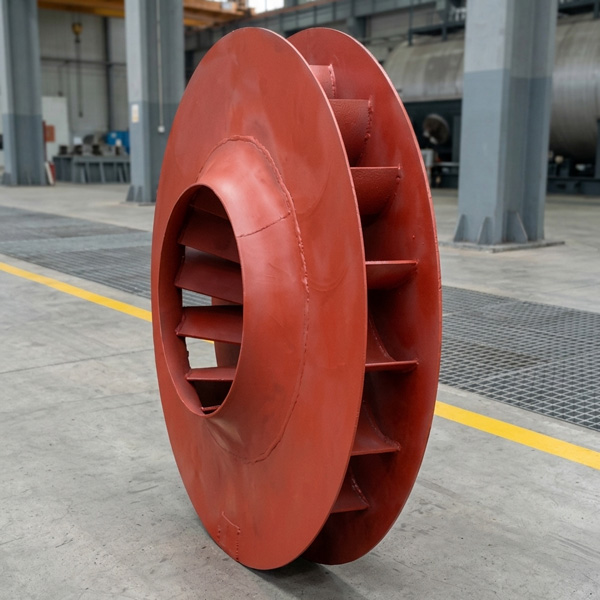
Looking at Abnormal Wear on U250-Y01 Induced Draft Fan Moving Blades
Understand why U250-Y01 induced draft fan blades wear out and how to maintain mechanical linkages. We provide U250-Y01 blades, seals, and connecting rods.03-23
-
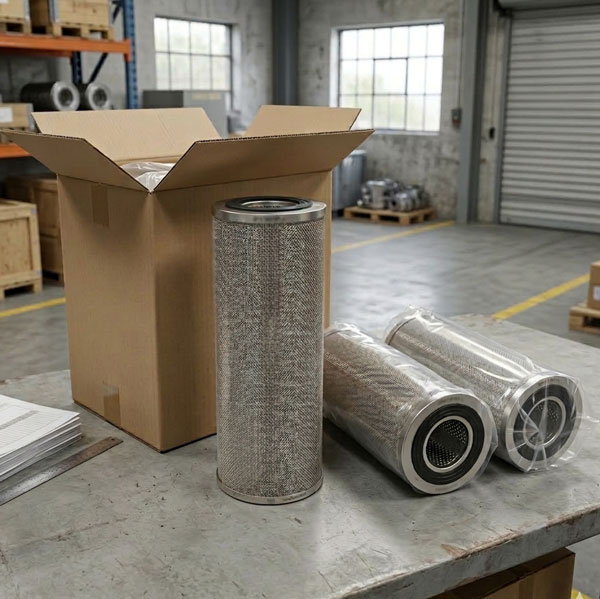
Easy Maintenance with the SDGLQ-60T-36K Duplex Oil Filter for Coal Mills
Learn how to switch the SDGLQ-60T-36K duplex filter element without stopping your coal mill. No oil flow interruption, stable pressure, and zero bypass. Get a quote today.03-17
-
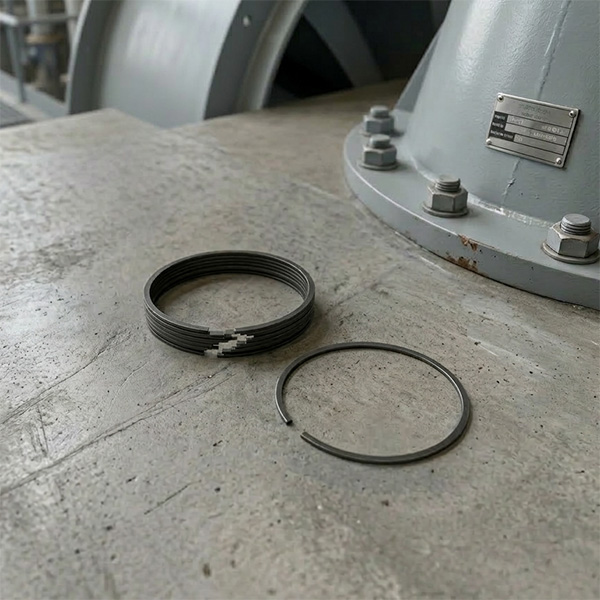
Keeping Your ID Fan Safe with the U2616G2106Y01 Blade Seal Ring
Protect your HU25042-221G fan with the U2616G2106Y01 blade seal ring. Learn how multi-stage sealing prevents bearing jams, blade sticking, and fan stalls.03-12
-
Stopping Oil Leaks with the UYG35/20G010 ID Fan Seal Ring
Stop bearing box leaks with the UYG35/20G010 ID fan seal ring. Learn how gap control and thermal expansion prevent grip failure in induced draft fan spare parts.03-11
-
How to Detect Micro Leakage in Feed Water Pump Gasket FA1D56-03-09 Before It Causes Shutdown
Learn the common failure modes of feed water pump cooling water jacket sealing gasket FA1D56-03-09, including aging, creep relaxation, and mechanical damage. Understand external signs, micro leakage detection methods, and practical maintenance tips to prevent pump shutdown and reduce repair cost.03-02


