


How the Casing Wear Ring FA1D56-03-05 Restores Your Booster Pump to Factory Specs
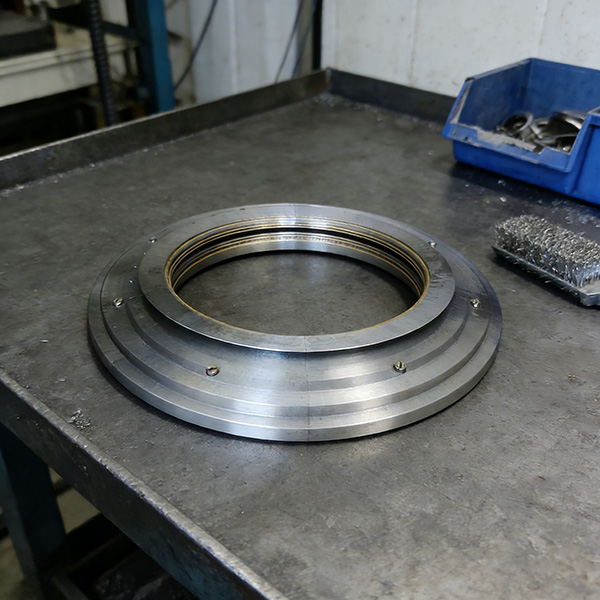
In a power plant's boiler feed system, the booster pump is the power vanguard ensuring water supply. The casing wear ring is the core shield for this pump. Too many plants run into the same headache: after a long run, the pump's outlet pressure starts dropping for no reason and vibration starts climbing. Once they tear it down, they find the problem—the casing wear ring is gutted with deep grooves, the clearance with the impeller is way out of spec, and high-pressure water is just leaking through the gaps. The FA1D56-03-05 casing wear ring is the dedicated spare for this pump. Choosing the right one and swapping it correctly is the only way to get your pump back to peak efficiency.
I. Precision Placement: A Custom-Fit Barrier, Not a Universal Part
The FA1D56-03-05 casing wear ring isn't some off-the-shelf component. It is a wear part tailor-made to the exact design standards of the FA1D56 booster pump. Its job is vital: it pairs with the impeller wear ring (the rotating ring) to form a sealing gate. This gate blocks high-pressure liquid from leaking back to the low-pressure zone. It takes the brunt of the fluid erosion and minor friction so your expensive casing and impeller don't have to.
Our wear rings follow the FA1D56 Maintenance Manual to the letter. We offer two material options: Cast Steel (ZG) for standard runs, and Cr14Ni5Mo2Cu2 Modified Duplex Stainless Steel for nasty environments. Both are high-strength and built to handle the heat, corrosion, and cavitation of a power plant. The dimensional precision is so tight that you won't be wasting time grinding them down on-site—just drop them in and get back to work.
Remember, this ring doesn't work alone. To do a proper overhaul, you need the full squad of parts. Here is your checklist to avoid missing anything mid-job:
| Spare Part Name | Model / Spec | Synergistic Role |
|---|---|---|
| Sealing Gasket | FA1D56-02-04 | Seals the mating surface between the ring and casing to stop leaks. |
| Pump Shaft | FA1D56 | Works with the ring and sleeves to maintain rotational stability. |
| Impeller Nut | FA1D56-01-08B / 12A | Locks the impeller so the wear rings stay perfectly centered. |
| Mech Seal Sleeve | FA1D56-01-07 | Protects the shaft and works with the ring to form the seal system. |
| Pump Shaft Sleeve | FA1D56-01-06 / 05 / 15 | Fits different shaft sections to reduce friction and wear. |
| Mechanical Seal | LTJ-8B1D-FA1D56 | The ultimate defense against medium leakage. |
II. Three Hardcore Advantages: Tight Seal, Long Life, Fast Install
1. Micro-Clearance for High Efficiency
According to the manual, the clearance between this ring and the impeller ring is strictly held between 0.05mm and 0.15mm. This tiny gap is what keeps the high-pressure water where it belongs. By cutting volume loss, this ring helps keep your pump's volumetric efficiency above 95%. One plant we worked with saw their fluctuating outlet pressure stabilize immediately after swapping to this high-precision ring.
2. Toughened Materials for the Long Haul
If you choose the Cr14Ni5Mo2Cu2 duplex stainless steel, you're getting a part heat-treated to HRC 35-40. Even if your water has some grit or solid particles, this ring won't quit. It fights off cavitation and chemical corrosion twice as long as standard cast steel. We had a nuclear plant run these for 12,000 hours; when they checked them, the wear was only 0.08mm—nowhere near the replacement limit.
3. Flow-Friendly Design for Smooth Runs
The inner wall uses a specialized flow-guiding curve. This doesn't just guide the water; it helps balance the axial force on the pump, which cuts down on shaft vibration. Plus, the modular design means your crew can swap it out without needing a specialized tool kit. What used to take 6 hours with generic parts now takes about 3.
III. When to Call It: Signs You Need a New Ring
Don't wait for a total failure. Keep an eye out for these red flags:
- The 8,000-Hour Mark: If the pump has hit its scheduled run time, pull it and check the ring.
- Pressure & Vibration: If outlet pressure drops by 5% or vibration exceeds 0.05mm/s, your wear ring is likely leaking internal pressure.
- Physical Wear: If the teardown shows wear over 0.2mm or you see scratches and pits on the sealing face, it's trash. Replace it.
- System Upgrades: If you're commissioning a new station or retrofitting an old FA1D56 pump, these are mandatory core spares.
IV. Buyer's Advice: Get It Right, Get It All
To make sure the job stays fixed, keep these points in mind during procurement:
- Verify the Vendor: Only buy from people who can guarantee the materials meet the FA1D56 manual. Non-standard parts will either leak or won't fit at all.
- Buy the Kit: Don't just buy the ring. Grab the gaskets, nuts, and sleeves at the same time. Nothing kills a schedule like realizing you're missing a $10 gasket on a Tuesday afternoon.
- Measure Twice: During install, measure that 0.05-0.15mm gap. If it's not right, the pump won't perform.
- Get Support: Work with a supplier who actually knows these pumps and can help your engineers if they hit a snag during the assembly.
Conclusion: Small Part, Big Impact
The FA1D56-03-05 casing wear ring might look like a simple metal hoop, but it is the secret to your booster pump's efficiency. Use the right materials, replace the synergistic parts, and follow the manual. That is how you keep your boiler feed system running like a clock.
If you need a hand with part selection or technical specs for your next overhaul, just reach out. We've been in the power plant game for years and we're here to help you get it done right.
HKCYT-2025-12-23


-
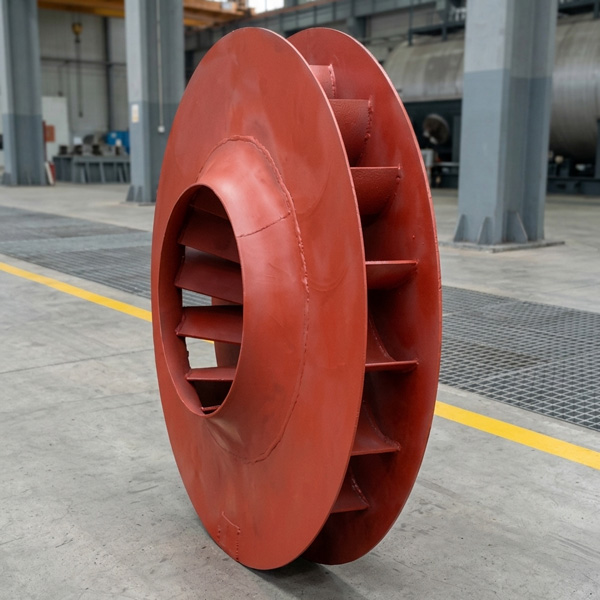
Looking at Abnormal Wear on U250-Y01 Induced Draft Fan Moving Blades
Understand why U250-Y01 induced draft fan blades wear out and how to maintain mechanical linkages. We provide U250-Y01 blades, seals, and connecting rods.03-23
-
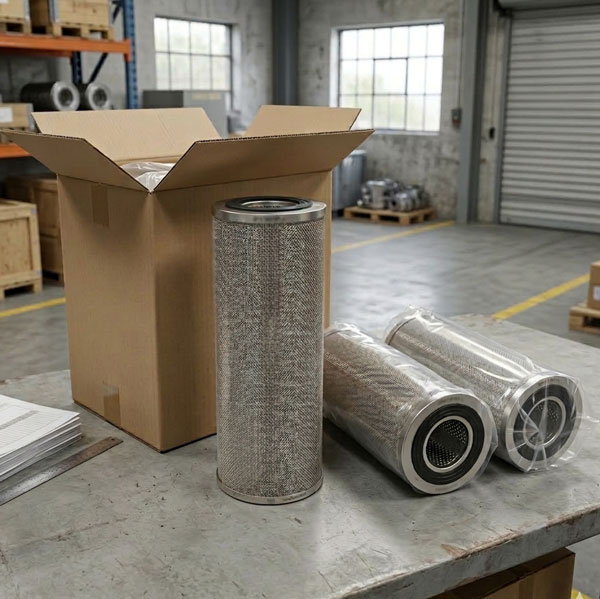
Easy Maintenance with the SDGLQ-60T-36K Duplex Oil Filter for Coal Mills
Learn how to switch the SDGLQ-60T-36K duplex filter element without stopping your coal mill. No oil flow interruption, stable pressure, and zero bypass. Get a quote today.03-17
-
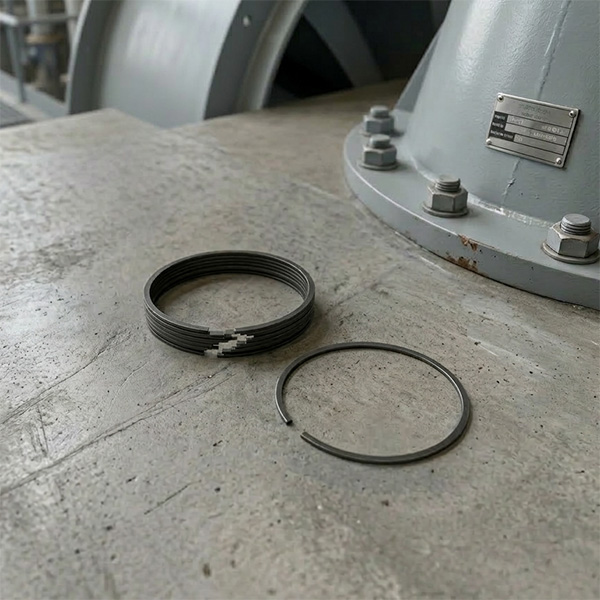
Keeping Your ID Fan Safe with the U2616G2106Y01 Blade Seal Ring
Protect your HU25042-221G fan with the U2616G2106Y01 blade seal ring. Learn how multi-stage sealing prevents bearing jams, blade sticking, and fan stalls.03-12
-
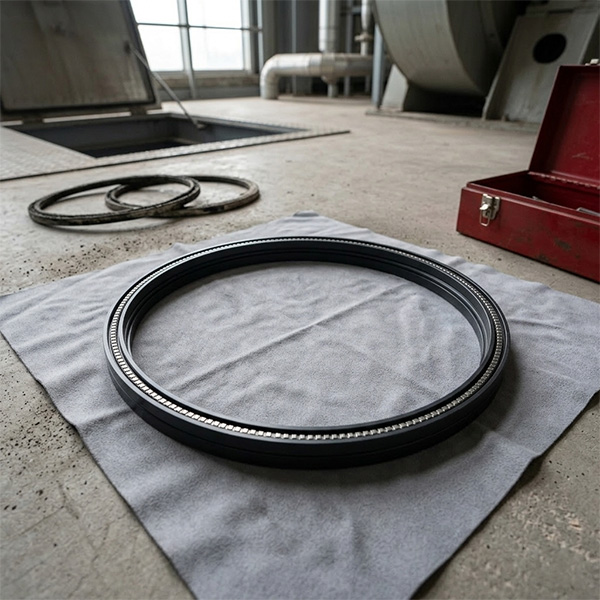
Stopping Oil Leaks with the UYG35/20G010 ID Fan Seal Ring
Stop bearing box leaks with the UYG35/20G010 ID fan seal ring. Learn how gap control and thermal expansion prevent grip failure in induced draft fan spare parts.03-11
-
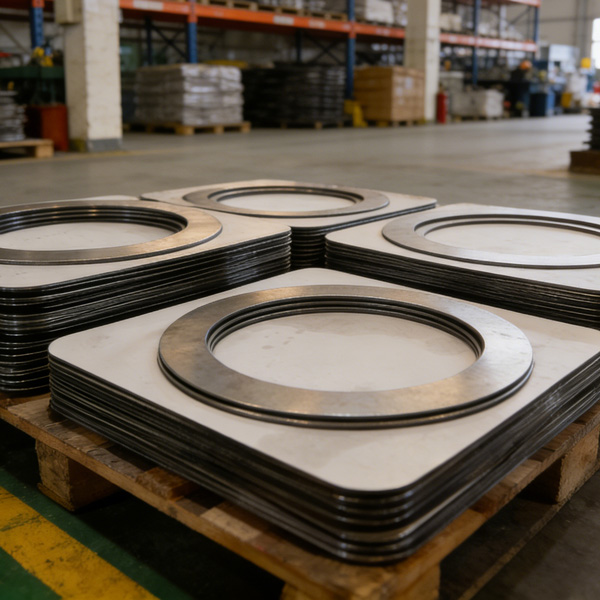
How to Detect Micro Leakage in Feed Water Pump Gasket FA1D56-03-09 Before It Causes Shutdown
Learn the common failure modes of feed water pump cooling water jacket sealing gasket FA1D56-03-09, including aging, creep relaxation, and mechanical damage. Understand external signs, micro leakage detection methods, and practical maintenance tips to prevent pump shutdown and reduce repair cost.03-02


