


Burner Throat Tube (Spacer Pipe) in Boilers: Function, Design, and Protection
I. Product Overview and Core Function
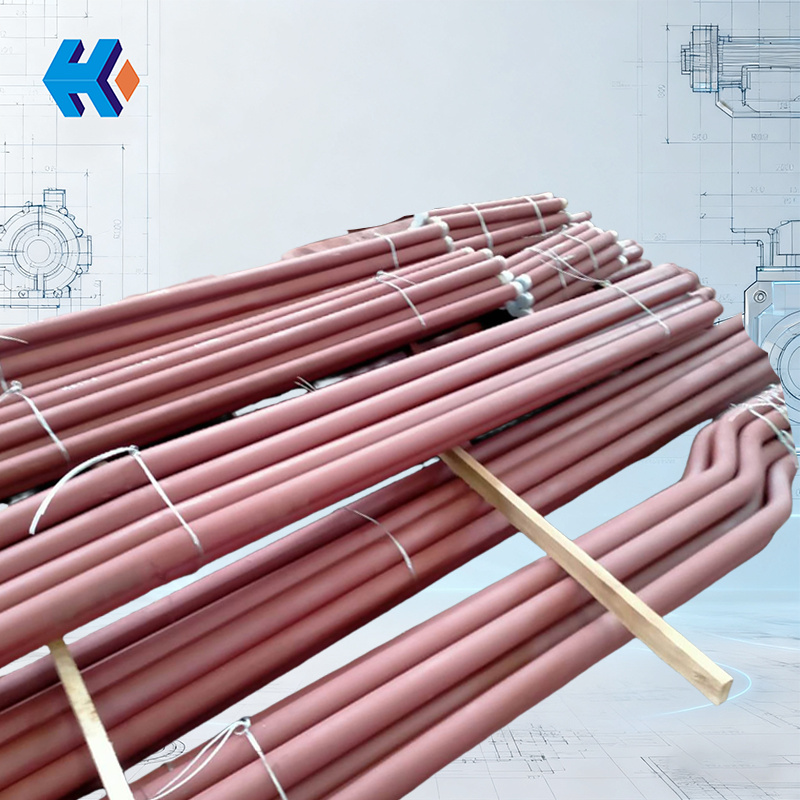
The Burner Throat Tube (or Spacer Pipe/Let-go Pipe) is a critical component within the boiler combustion system. Its primary functions are structural and protective:
- Structural Clearance: It ensures structural clearance and pipe layout during burner installation, guaranteeing spatial coordination between the burner and other boiler parts (such as bottom tube banks and heating surfaces) to prevent interference.
- Wear Protection: Its main purpose is to prevent the direct scouring and erosion of the water wall tubes by high-temperature flue gas and particulate matter ejected from the burner. This protection is vital because the furnace is divided into dense, transition, and lean phases, and the transition zone is where the water wall is most susceptible to wear. The spacer pipe structure effectively protects this area.
- Combustion Optimization: The design of the spacer pipe can optimize the burner's combustion process, ensuring flame stability and combustion efficiency. By carefully designing the shape and position of the pipe, it prevents the flame from directly impinging on the water wall, thereby reducing localized overheating.
II. Design Principles of the Burner Throat Tube
1. Structural Design
- Angled Guidance: The spacer pipe is typically designed as a pipe with a specific bending angle to guide the high-temperature flue gas and flame ejected from the burner.
- Shape Optimization: The shape and dimensions of the spacer pipe are optimized according to the specific burner model and combustion characteristics to ensure optimal combustion effects and wear protection performance.
2. Material Selection
- High Resistance: The spacer pipe is generally constructed from materials resistant to high temperatures and corrosion, such as alloy steel or stainless steel.
- Environmental Consideration: Material selection must account for the high-temperature and corrosive nature of the burner's operating environment to ensure the long-term stable operation of the spacer pipe.
3. Installation and Fitment
- Tight Integration: The spacer pipe must fit tightly with the burner, water wall tubes, and other components to ensure optimal overall performance after installation.
- Directional Alignment: Installation considerations must include the burner's flame direction and adjustment range to ensure the spacer pipe effectively protects the water wall tubes.
III. Application and Maintenance
The burner throat tube is widely used in boiler systems, especially in the burner regions of thermal power plants. It is applicable to various types of burners, including swirling flow burners and straight flow burners.
Maintenance Requirements
- Regular Inspection: The wear condition of the spacer pipe must be checked regularly, and severely worn components should be replaced promptly.
- Overhaul Cleaning: During boiler shutdowns, the spacer pipe should be cleaned and inspected to ensure its surface is free from ash accumulation and corrosion.
Through the reasonable design and installation of the burner throat tube, it is possible to effectively protect the boiler water wall tubes, optimize the combustion process, and enhance the boiler's safety and operational efficiency.


-
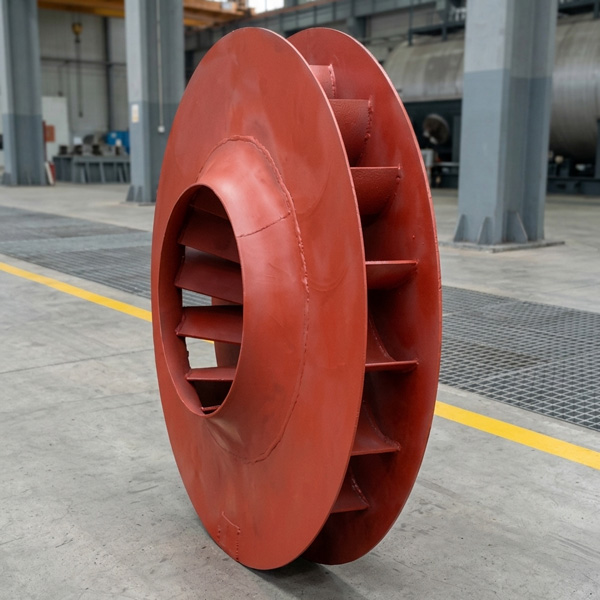
Looking at Abnormal Wear on U250-Y01 Induced Draft Fan Moving Blades
Understand why U250-Y01 induced draft fan blades wear out and how to maintain mechanical linkages. We provide U250-Y01 blades, seals, and connecting rods.03-23
-
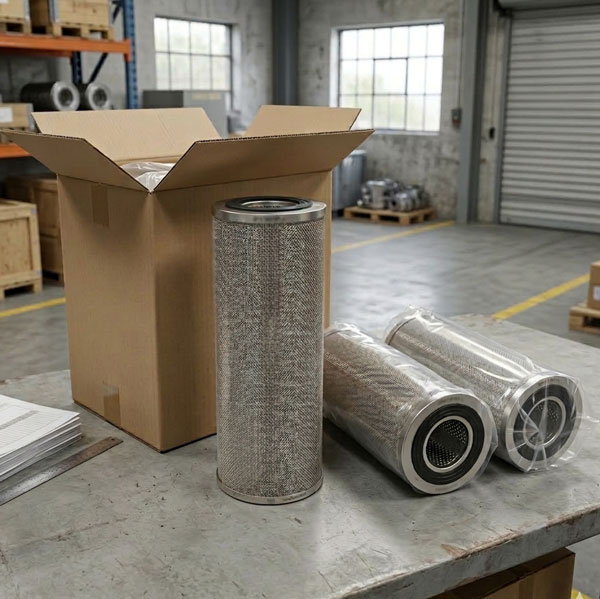
Easy Maintenance with the SDGLQ-60T-36K Duplex Oil Filter for Coal Mills
Learn how to switch the SDGLQ-60T-36K duplex filter element without stopping your coal mill. No oil flow interruption, stable pressure, and zero bypass. Get a quote today.03-17
-
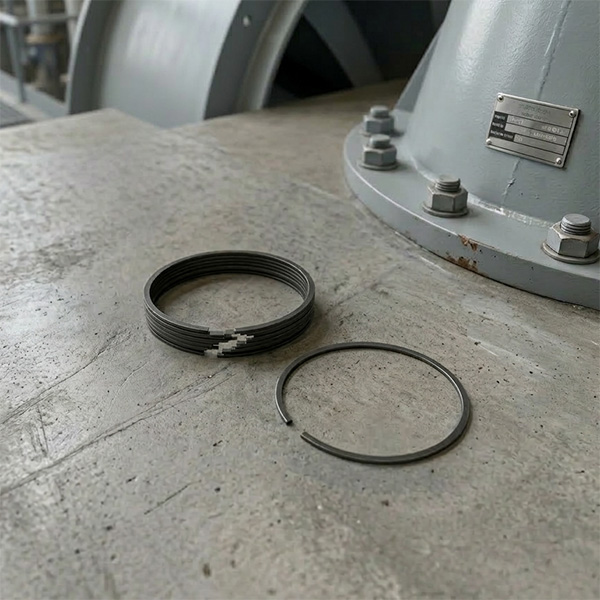
Keeping Your ID Fan Safe with the U2616G2106Y01 Blade Seal Ring
Protect your HU25042-221G fan with the U2616G2106Y01 blade seal ring. Learn how multi-stage sealing prevents bearing jams, blade sticking, and fan stalls.03-12
-
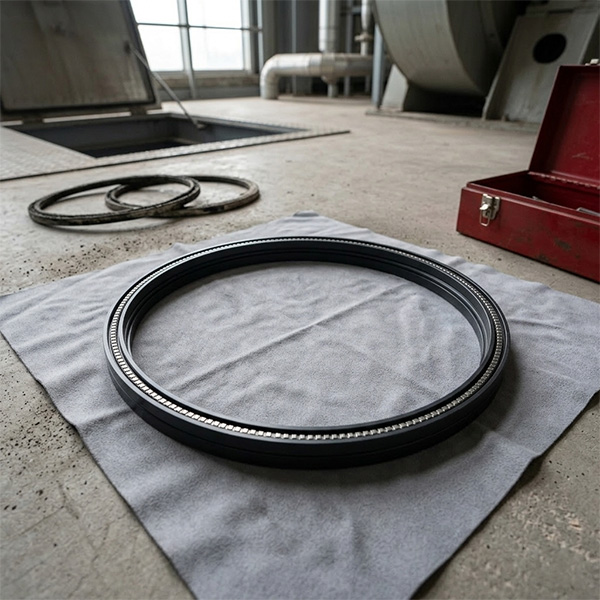
Stopping Oil Leaks with the UYG35/20G010 ID Fan Seal Ring
Stop bearing box leaks with the UYG35/20G010 ID fan seal ring. Learn how gap control and thermal expansion prevent grip failure in induced draft fan spare parts.03-11
-
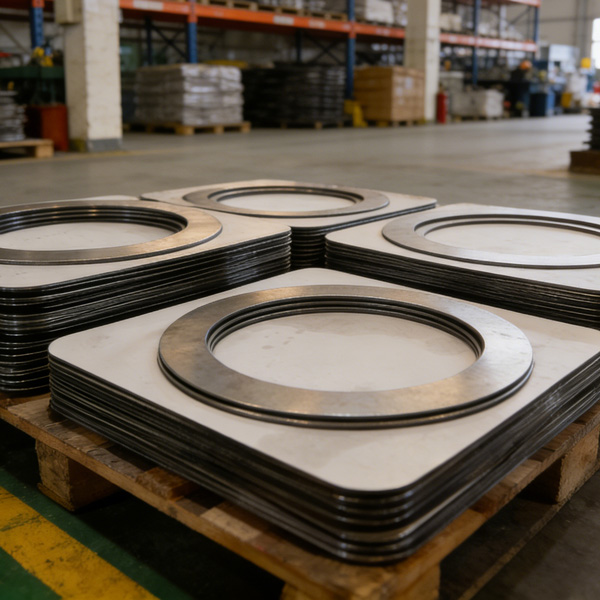
How to Detect Micro Leakage in Feed Water Pump Gasket FA1D56-03-09 Before It Causes Shutdown
Learn the common failure modes of feed water pump cooling water jacket sealing gasket FA1D56-03-09, including aging, creep relaxation, and mechanical damage. Understand external signs, micro leakage detection methods, and practical maintenance tips to prevent pump shutdown and reduce repair cost.03-02


