


Self-Sealing Rings in High-Temperature, High-Pressure Plug Valves: Function, Installation, and Failure Analysis
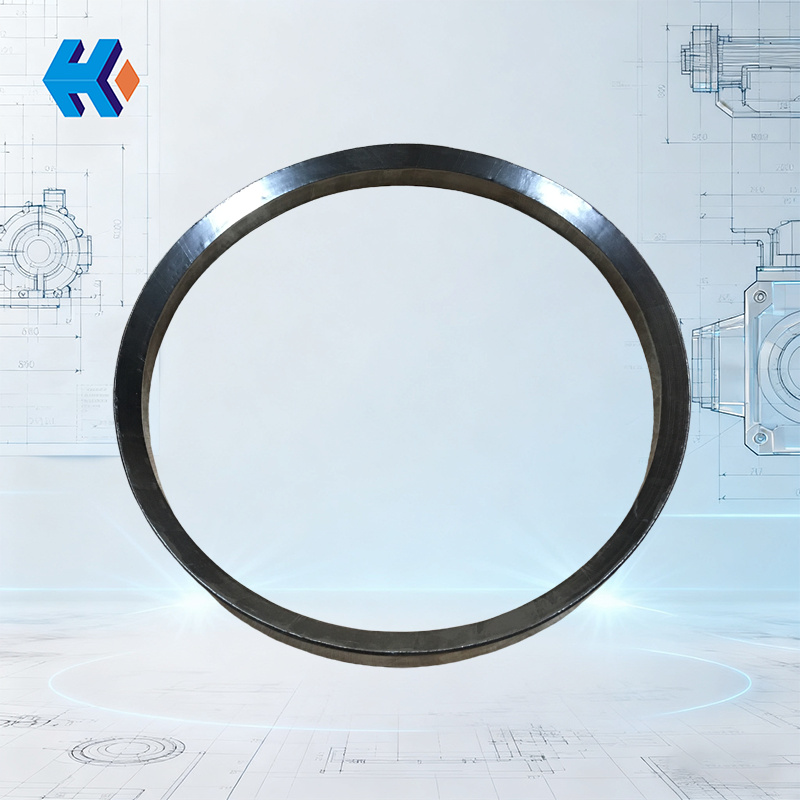
The self-sealing ring is a critical sealing component in boiler high-temperature and high-pressure steam systems, used to prevent media leakage and accommodate deformation caused by thermal expansion and contraction. Its design must meet long-term stability requirements under extreme operating conditions. In high-temperature, high-pressure steam plug valves, the self-sealing ring primarily acts on the mating surface between the block valve seat and the valve core (or plugging element). When the valve is in the closed or plugged state, it uses its own compression and deformation to fill the sealing gap, forming a dynamic or static seal. This prevents steam leakage from the gap between the valve seat and the valve core, ensuring the plug valve effectively isolates or blocks the steam pipeline.
Installation and Maintenance Essentials for Plug Valve Self-Sealing Rings
I. Pre-Installation Preparation:
- Clean Sealing Surfaces: Ensure that the sealing surfaces of the valve seat and valve core are free of scratches, rust, and oil stains. Grinding and polishing should be performed if necessary, and the surface roughness must comply with design requirements (typically Ra≤1.6μm).
- Inspect Sealing Ring: Verify that the material and dimensions match the plug valve model. Check the sealing ring for defects such as cracks, deformation, or aging. For metal sealing rings, confirm that the surface is free of burrs.
II. Installation Requirements:
- Avoid Forced Assembly: Gently place the sealing ring during installation to prevent deformation due to misalignment or collision. Metal sealing rings must be concentric with the sealing surface.
- Control Pre-tightening Force: Based on the sealing ring material and operating conditions, uniformly tighten the bolts according to the design torque. Avoid over-tightening, which can cause plastic deformation and failure of the sealing ring, or under-tightening, which can lead to poor initial sealing.
III. Maintenance and Replacement:
- Regular Inspection: During plug valve overhauls, inspect the sealing ring for wear, corrosion, and creep. If signs of steam erosion (such as scouring marks, scaling, or discoloration) or leakage are found on the sealing surface, the ring must be replaced immediately.
- Replacement Cycle: Affected by high temperature and high-pressure conditions, the service life of the sealing ring is usually synchronized with the plug valve overhaul cycle (e.g., 1-3 years). Under extreme conditions, the replacement cycle must be shortened to prevent leakage caused by aging failure.
Common Failure Causes and Countermeasures
Self-sealing ring failure can lead to high-temperature, high-pressure steam leakage, causing equipment damage, energy waste, and even safety incidents. Common failure causes and countermeasures are:
- Material Aging: Material performance degradation (e.g., graphite embrittlement, metal creep) under long-term high temperatures.
- Countermeasure: Select high-temperature resistant materials that match the operating conditions, and regularly test material performance.
- Sealing Surface Damage: Scratches or deformation on the sealing surface lead to poor fit.
- Countermeasure: Strictly check the precision of the sealing surface before installation; repair or replace the valve seat/valve core if necessary.
- Improper Pre-tightening Force: Too loose leads to initial sealing failure; too tight causes sealing ring damage.
- Countermeasure: Control the pre-tightening torque according to specifications, and use a symmetrical tightening method.
The plug valve self-sealing ring is the "last line of defense" for the safe operation of high-temperature and high-pressure steam systems. Its material selection, structural design, and installation and maintenance must strictly match the operating conditions to ensure the reliable sealing of the plug valve.


-
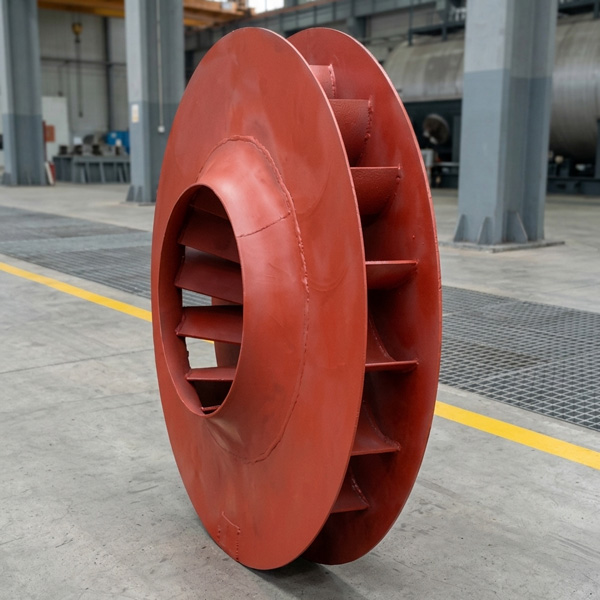
Looking at Abnormal Wear on U250-Y01 Induced Draft Fan Moving Blades
Understand why U250-Y01 induced draft fan blades wear out and how to maintain mechanical linkages. We provide U250-Y01 blades, seals, and connecting rods.03-23
-
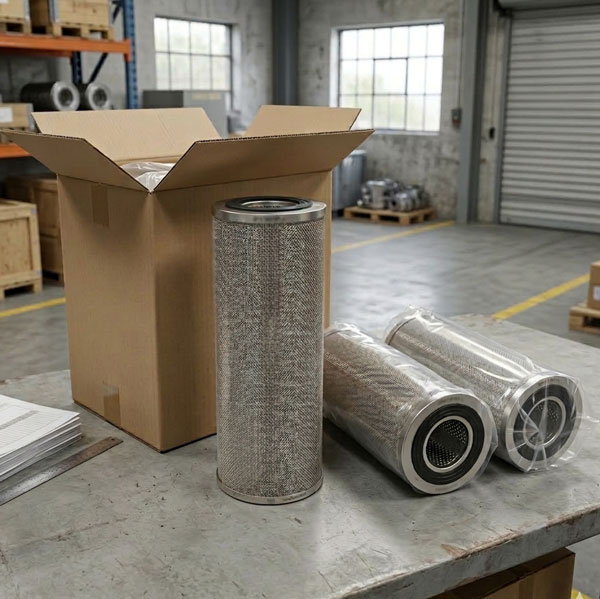
Easy Maintenance with the SDGLQ-60T-36K Duplex Oil Filter for Coal Mills
Learn how to switch the SDGLQ-60T-36K duplex filter element without stopping your coal mill. No oil flow interruption, stable pressure, and zero bypass. Get a quote today.03-17
-
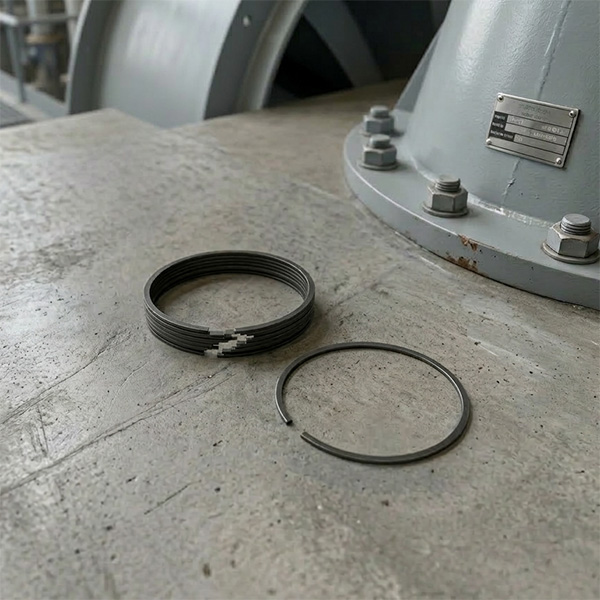
Keeping Your ID Fan Safe with the U2616G2106Y01 Blade Seal Ring
Protect your HU25042-221G fan with the U2616G2106Y01 blade seal ring. Learn how multi-stage sealing prevents bearing jams, blade sticking, and fan stalls.03-12
-
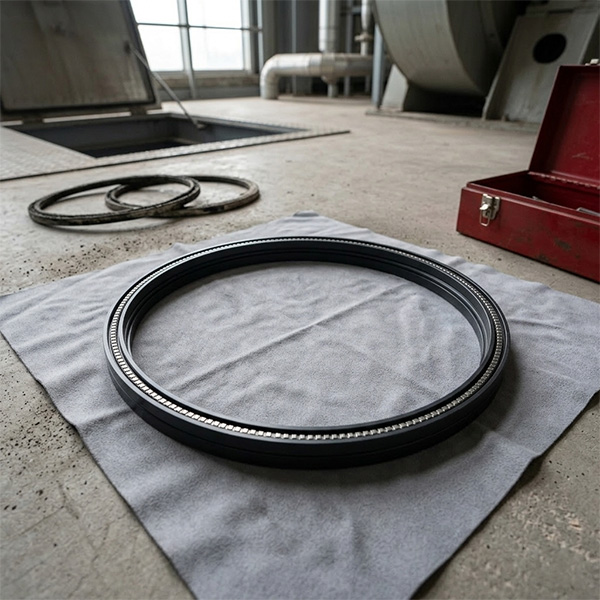
Stopping Oil Leaks with the UYG35/20G010 ID Fan Seal Ring
Stop bearing box leaks with the UYG35/20G010 ID fan seal ring. Learn how gap control and thermal expansion prevent grip failure in induced draft fan spare parts.03-11
-
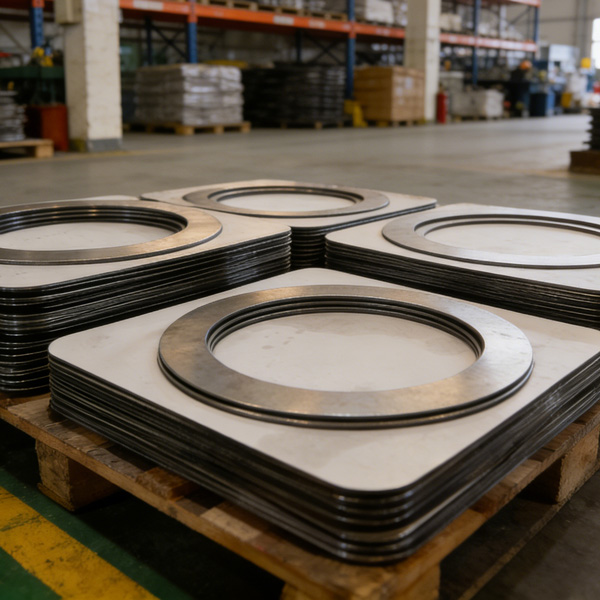
How to Detect Micro Leakage in Feed Water Pump Gasket FA1D56-03-09 Before It Causes Shutdown
Learn the common failure modes of feed water pump cooling water jacket sealing gasket FA1D56-03-09, including aging, creep relaxation, and mechanical damage. Understand external signs, micro leakage detection methods, and practical maintenance tips to prevent pump shutdown and reduce repair cost.03-02


