


Mechanical Seal Shaft Sleeve FA1D56-01-07: Pre-Installation Fit Checks You Must Perform
Today, we focus on shaft sleeve FA1D56-01-07 — high-frequency replacement spares in industrial settings. We will dissect the technical essentials of the entire installation process, integrate the characteristics of over a dozen common wear-prone shaft sleeves, and use real-world case studies from Dongfang SRI to demonstrate how detailed optimization can resolve the painful issue of "frequent replacement."

I. Before Installation: Precise Fit is the First Step to Extending Lifespan
Many field operation and maintenance personnel face the problem of "shaft sleeve wear immediately after replacement." The root cause often lies in failing the pre-installation fit checks. The critical inspection points vary drastically depending on the shaft sleeve's application:
- FA1D56-01-07 (used in boiler feed pump booster pumps): Directly mates with the mechanical seal ring. Before installation:
- Use a feeler gauge to confirm fit clearance adheres to the H7/h6 standard.
- Inspect outer diameter for nicks or scuffs—even minor damage can lead to seal leakage and accelerated wear.
- FA1D56-01-05 & FA1D56-01-06 (Drive End Sleeves):
- Verify interference fit with drive shaft: 0.02–0.05 mm.
- Polish bore to remove rust and burrs to prevent journal scratching.
- 300MG41.11.09S & FA1D56-103 (Fluid Machinery Sleeves):
- Measure wall thickness at six circumferential points using a micrometer.
- Deviation must be ≤ 0.03 mm, especially under high pressure.
- 20MG30.11.09.84J & 20MG32.11.09-35 (Coal Mill Roller Systems):
- Prioritize inspection of wear-resistant coating (e.g., Tungsten Carbide).
- Even minor flaking requires replacement to prevent uneven roller wear.
- JLX25Z-1001/07-01 (Input Shaft Sleeve):
- Keyway clearance between sleeve and input shaft: 0.01–0.03 mm.
- Excessive clearance causes slipping; insufficient clearance risks cracking.
II. During Installation: Master Key Operations Based on Sleeve Type
(A) Transmission System Sleeves: Controlling "Runout and Uneven Wear"
Using FA1D56-01-05 (Outer Sleeve) and FA1D56-01-06 (Inner Sleeve) as examples:
- Install Inner Sleeve (FA1D56-01-06): Use hydraulic press at 5–8 MPa. Monitor end-face gap with dial indicator (≤ 0.02 mm).
- Install Outer Sleeve (FA1D56-01-05): Maintain end-face clearance of 5–8 mm for thermal expansion.
- Tighten Fixing Bolts (M16–M20): Use cross-pattern, layered sequence. Torque: 35–45 N·m.
(B) Coal Mill Sleeves: Addressing "Harsh Conditions"
- 20MG30.11.09.84J Roller Shaft Sleeve:
- Apply 2–3 mm thick MoS₂-based high-temp grease.
- Secure retaining rings with locator pins to prevent dust ingress.
- YMKQ500-6 Motor Front Sleeve:
- Use temperature differential method: Heat sleeve to 80–100 °C in oil.
- After cooling, check radial runout: ≤ 0.05 mm.
(C) Universal and Sealing Sleeves: Strict "Fit Clearance" Control
- FA1D56-01-07 & FA1D56-01-07-17:
- Check clearance at 8 evenly spaced points with feeler gauge.
- Max difference between any two points: ≤ 0.01 mm.
- 300MG41.11.09S & FA1D56-103:
- Use laser alignment system post-installation.
- Concentricity deviation: ≤ 0.03 mm.
III. After Installation: Inspection and Documentation are Essential
The core post-installation process is summarized as "3 Mandatory Checks + 1 Operational Logbook":
| Check Item | Description | Tolerance / Requirement |
|---|---|---|
| 1. Radial Runout Test | Measure at four outer circumference points (½ length) and four end-face points. | ≤ 0.03 mm (coal mill); ≤ 0.05 mm (e.g., FA1D56-01-07) |
| 2. Sealing Performance Test | For sealing sleeves like FA1D56-01-07. Apply 0.3–0.5 MPa air pressure. | Leakage rate ≤ 5 mL/min over 5 minutes |
| 3. No-Load Trial Run | Run equipment for 30 min under no load. | Sleeve temp ≤ 70 °C; no abnormal noise via stethoscope |
| 4. O&M Record | Document model, date, data, installer. Use Dongfang SRI’s Electronic Logbook via QR code. | Enables lifecycle tracking and spare part planning |
Despite differing applications, the lifespan extension logic is consistent across all sleeves:
Precise fit before installation → Strict detail control during installation → Comprehensive inspection after installation.
Dongfang SRI's case studies prove that frequent replacement is solvable through optimized procedures, customized tools, and standardized records.
Need a better solution? Contact Dongfang SRI for customized sleeve kits and installation tools.


-
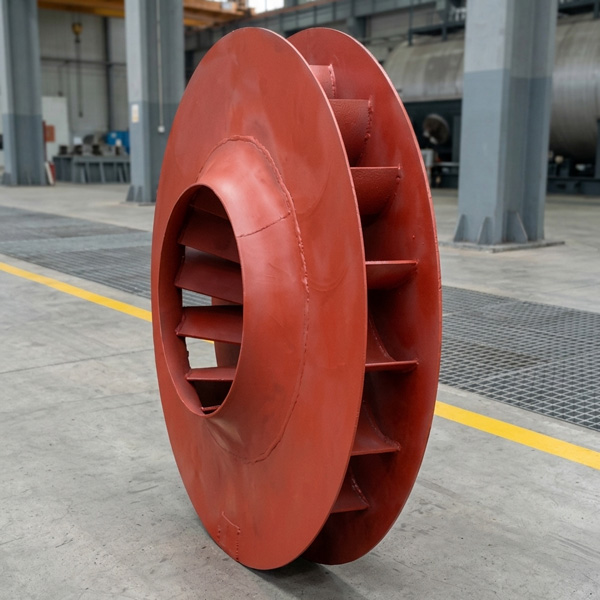
Looking at Abnormal Wear on U250-Y01 Induced Draft Fan Moving Blades
Understand why U250-Y01 induced draft fan blades wear out and how to maintain mechanical linkages. We provide U250-Y01 blades, seals, and connecting rods.03-23
-
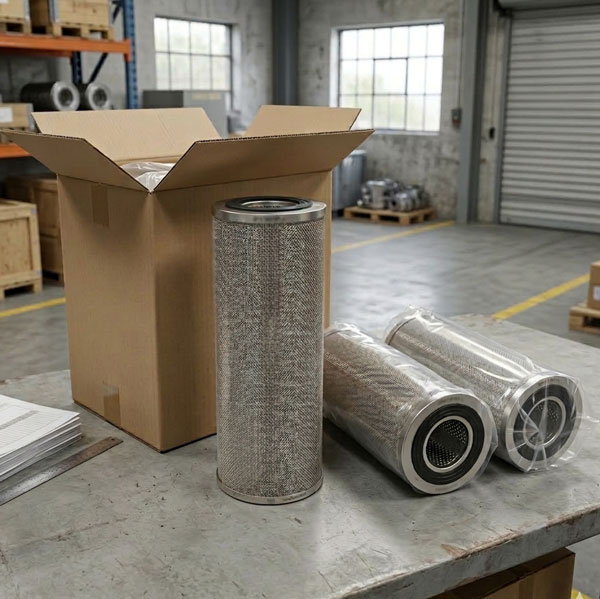
Easy Maintenance with the SDGLQ-60T-36K Duplex Oil Filter for Coal Mills
Learn how to switch the SDGLQ-60T-36K duplex filter element without stopping your coal mill. No oil flow interruption, stable pressure, and zero bypass. Get a quote today.03-17
-
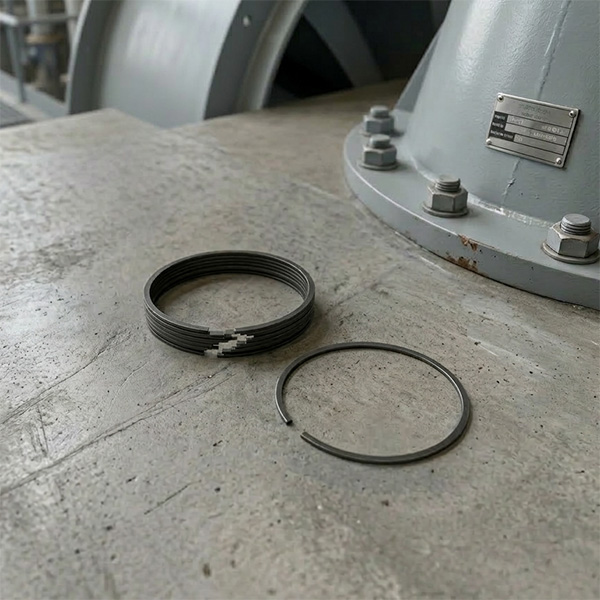
Keeping Your ID Fan Safe with the U2616G2106Y01 Blade Seal Ring
Protect your HU25042-221G fan with the U2616G2106Y01 blade seal ring. Learn how multi-stage sealing prevents bearing jams, blade sticking, and fan stalls.03-12
-
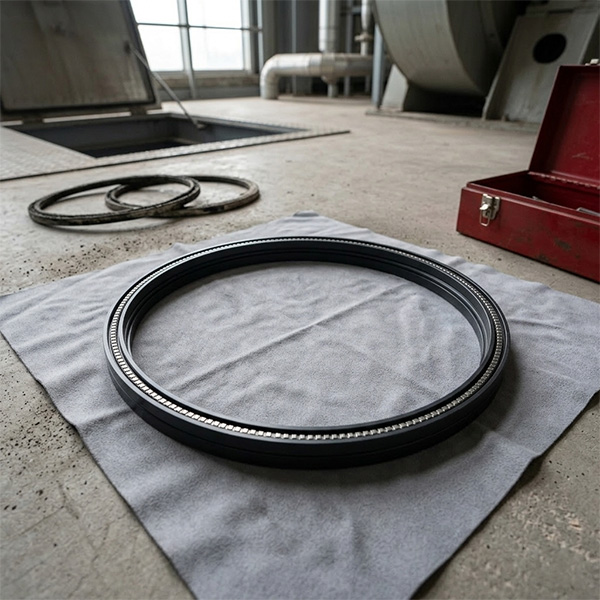
Stopping Oil Leaks with the UYG35/20G010 ID Fan Seal Ring
Stop bearing box leaks with the UYG35/20G010 ID fan seal ring. Learn how gap control and thermal expansion prevent grip failure in induced draft fan spare parts.03-11
-
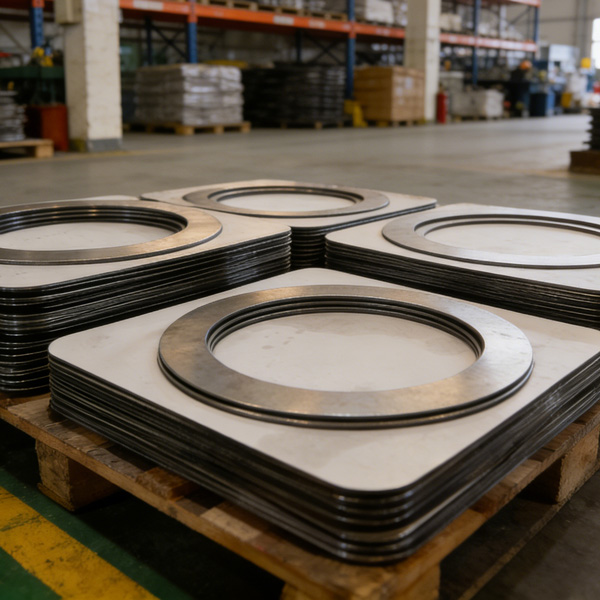
How to Detect Micro Leakage in Feed Water Pump Gasket FA1D56-03-09 Before It Causes Shutdown
Learn the common failure modes of feed water pump cooling water jacket sealing gasket FA1D56-03-09, including aging, creep relaxation, and mechanical damage. Understand external signs, micro leakage detection methods, and practical maintenance tips to prevent pump shutdown and reduce repair cost.03-02


