


HZB253-640-03-08 O-Ring: The "Sealing Dynamo" for Booster Pumps
When power plant technicians service the HZB253-640 booster pump, one of the biggest headaches is fluid leakage at the shaft sleeve—they disassemble the pump, find the mechanical seal intact and the casing uncracked, only to discover a tiny, cracked O-ring was the culprit.
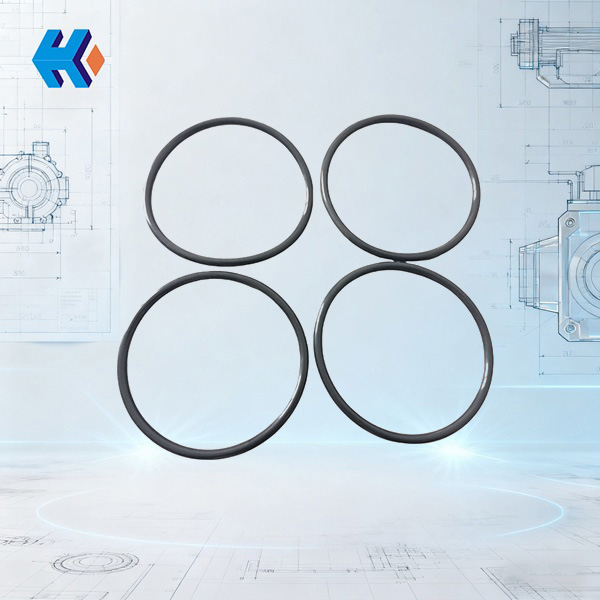
This easily overlooked "small part" is the HZB253-640-03-08 Centrifugal Pump Shaft Sleeve O-Ring, specifically designed for this pump model. Though it's just a simple ring of rubber, it seals the gap between the shaft sleeve and the pump body. If it fails, even the most expensive mechanical seal is useless. Today, let's discuss this "Sealing Dynamo" and why it plays such a critical role in booster pump sealing.
I. Understanding Its Role: "Tailor-Made" for the HZB253-640 Booster Pump
The HZB253-640-03-08 O-ring is not a generic, off-the-shelf component; it is a "Gap-Sealing Specialist" custom-designed for the shaft sleeve of the HZB253-640 booster pump. Installed at the junction of the shaft sleeve and the pump body, it performs two main jobs:
- Internal Containment: It securely traps the fluid inside the pump (such as boiler feedwater), preventing it from leaking outwards.
- External Barrier: It blocks external dust and contaminants from migrating into the shaft sleeve area and wearing down internal precision parts.
Field Example: A power plant experienced fluid leakage at the booster pump shaft sleeve. Technicians first replaced the mechanical seal, but the leak persisted. Upon removing the shaft sleeve, they found the original O-ring had aged and cracked, allowing fluid to seep through the fissures. Replacing it with a new HZB253-640-03-08 O-ring immediately eliminated the leak. This illustrates the benefit of a dedicated part: its dimensions perfectly match the specific sleeve and pump casing (Model HZB253-640-03-03), unlike universal O-rings that are either too loose (leaking) or too tight (difficult to install).
Crucially, this O-ring boasts high dimensional accuracy, with a tolerance control of within +/- 0.05 mm—thinner than a strand of hair. This precision ensures a perfect, seamless fit with the shaft sleeve and pump casing, preventing any gap due to minor sizing errors.
II. Why is This Ring Reliable? Three "No-Headache" Advantages for Power Plants
The HZB253-640-03-08 O-ring is a fixture in power stations not for its low cost, but because it solves three major maintenance challenges, resulting in "no headaches" for technicians.
1. Heat and Corrosion Resistance: "Built Tough" for High and Low Temperatures
This O-ring uses high-performance, heat-resistant rubber that can withstand temperatures from -20 degrees C to 200 degrees C. In winter, it resists hardening and cracking even if the northern power station engine room drops below freezing. When the booster pump runs in summer, and the shaft sleeve temperature approaches 200 degrees C, it will not age or become sticky. A plant that previously used generic rubber O-rings experienced leakage and had to replace them three or four times a year. Switching to this heat-resistant version eliminated the issue for over half a year.
The rubber is also corrosion-resistant. Even if the feedwater carries trace acidic contaminants, the O-ring will not degrade. Technicians don't have to constantly worry about "the fluid destroying the ring," saving time on inspection rounds.
2. High Precision: "Zero Hassle" Installation
While a generic O-ring might require sanding to fit, this one does not. It is molded using CNC tools, resulting in a smooth surface and dimensions that perfectly match the shaft sleeve's groove. Technicians can remove the old ring and install the new one in half an hour, avoiding the tedious "grinding and aligning" process of the past.
Minimal fine-tuning is needed after installation. Its optimized cross-section shape ensures uniform contact with the sealing surface, avoiding tight spots or looseness. One technician noted that he has never had a leak caused by "improper seating" when installing this O-ring, saving significant rework time.
3. Long Lifespan: Avoiding "Frequent Pump Disassembly"
The most appreciated feature is its lifespan. Using this specialized ring extends the overhaul cycle and reduces maintenance costs significantly. One power plant reported a 60% reduction in unplanned shaft sleeve leakage downtime after switching to the HZB253-640-03-08 O-ring.
III. When to Use It: Three Critical Scenarios
Despite its small size, the HZB253-640-03-08 O-ring is indispensable in the maintenance of the HZB253-640 booster pump in these three scenarios.
1. Routine Inspection: Check It First for Leakage
If you observe fluid seepage at the shaft sleeve during routine inspections, don't just focus on the mechanical seal; remove the shaft sleeve and check the O-ring—it's likely cracked or aged. In one case, a plant had a minor shaft sleeve leak. Technicians found only a small tear in the O-ring. Replacing it with a new HZB253-640-03-08 immediately resolved the leak, avoiding the expense and effort of replacing the mechanical seal.
2. During Major Overhaul: Mandatory Replacement
When the booster pump undergoes a major overhaul, the O-ring must be replaced with a new one, regardless of its apparent condition. Even without visible damage, a ring used for over a year will lose elasticity and is prone to leaking when reassembled. One plant tried to "save costs" during an overhaul by cleaning and reusing the old ring, only for the pump to leak within three months, leading to a costly unplanned outage. According to maintenance manual requirements, replacing this O-ring during an overhaul is essential to ensure sealing effectiveness for the next cycle.
3. Emergency Repair: Pump Cannot Run Without It
If the booster pump unexpectedly shuts down due to shaft sleeve leakage, having a spare HZB253-640-03-08 O-ring on hand is crucial. A plant that experienced a midnight shutdown due to an O-ring failure had none in stock, forcing them to wait for an emergency shipment, delaying power recovery by six hours. If spares were available, technicians could have completed the replacement in one hour, significantly reducing losses.
IV. Check the "Partners"! A Table of Related Components
This O-ring relies on cooperation with the shaft sleeve and mechanical seal for effective sealing. When replacing the O-ring, you must inspect these "partners" as well, or the new ring may still leak. Technicians can save this table for reference:
| No. | Part Model | Part Name | Synergy with O-Ring | Key Checkpoints |
|---|---|---|---|---|
| 1 | HZB253-640-03-03 | Pump Casing | Provides the installation groove for the O-ring; together, they seal the sleeve gap. | Check for debris or wear in the groove. |
| 2 | HZB253-6401143/8B1 | Mechanical Seal | O-ring assists in sealing the shaft sleeve, reducing pressure on the primary seal. | Check sealing faces for scratches or aging. |
| 3 | HZB253-640-03-04-00 | Impeller Ring | Stabilizes fluid flow inside the pump, preventing shock to the O-ring. | Check if the ring clearance has increased. |
| 4 | HZB253-640A-02-04 | Radial Bearing | Stabilizes the pump shaft, preventing shaft wobble that could misalign the O-ring. | Check for abnormal noise or vibration in the bearing. |
| 5 | HZB253-640A-02-05-00 | Thrust Bearing Assembly | Balances axial forces, preventing pump body movement that could wear the O-ring. | Check for wear on the thrust pads. |
| 6 | HZB253-640-03-06 | Gland Gasket | Forms a "dual seal" with the O-ring, enhancing anti-leakage effect. | Check for cracks or deformation in the graphite gasket. |
V. Choose the Right Ring, Avoid Detours: Professional Suppliers Are Essential
Finally, a reminder to technicians: when purchasing the HZB253-640-03-08 O-ring, always source it from a professional spare parts supplier. While generic O-rings exist, the sealing requirements for this pump are high. The specialized ring's material and size conform to the GB standard, ensuring a hassle-free fit.
Furthermore, a professional supplier like DONGFANG SRI not only provides the O-ring but also offers valuable advice—such as whether to replace the mechanical seal along with the O-ring and best installation practices for durability. One plant that ordered O-rings from us was reminded to check their impeller ring, which was found to have excessive clearance. Replacing both parts resulted in better-than-before sealing performance.
Servicing a booster pump is like assembling building blocks; every small part must be reliable. The HZB253-640-03-08 O-ring may be small, but it is the "last line of defense" for the shaft sleeve seal. Selecting and using it correctly will eliminate many leakage problems and ensure the booster pump runs smoothly. If you operate an HZB253-640 booster pump, make sure you don't overlook this "Sealing Dynamo" during your next repair!
HKCYT-2025-10-30


-
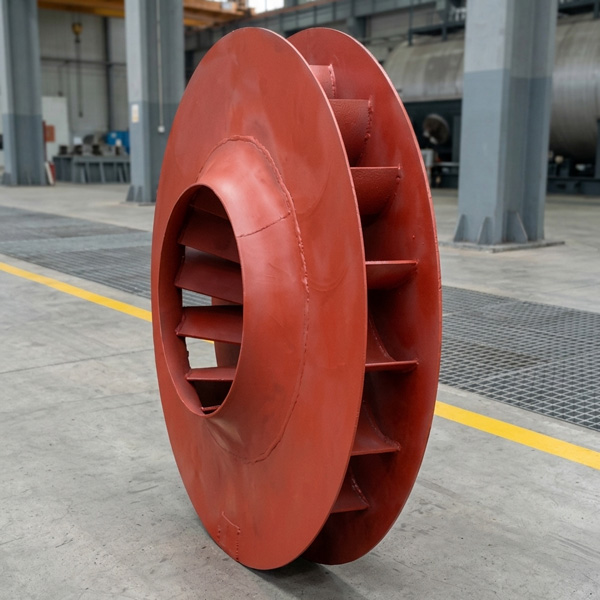
Looking at Abnormal Wear on U250-Y01 Induced Draft Fan Moving Blades
Understand why U250-Y01 induced draft fan blades wear out and how to maintain mechanical linkages. We provide U250-Y01 blades, seals, and connecting rods.03-23
-
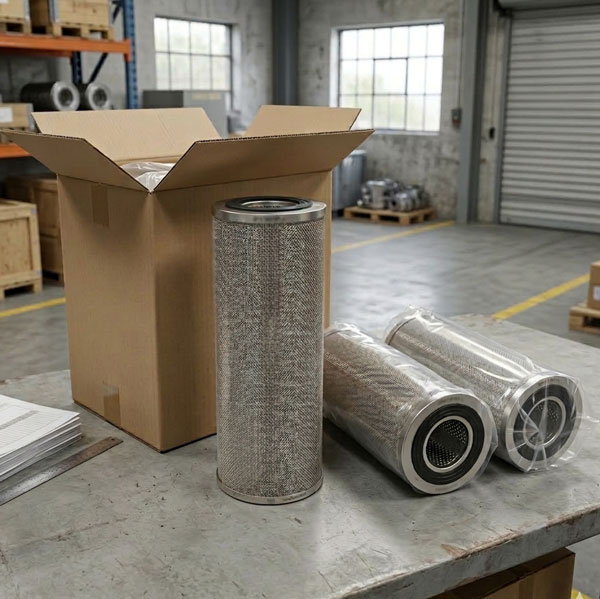
Easy Maintenance with the SDGLQ-60T-36K Duplex Oil Filter for Coal Mills
Learn how to switch the SDGLQ-60T-36K duplex filter element without stopping your coal mill. No oil flow interruption, stable pressure, and zero bypass. Get a quote today.03-17
-
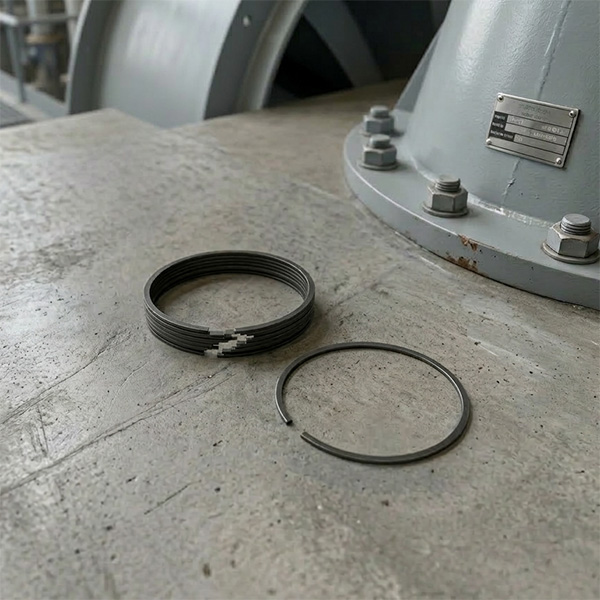
Keeping Your ID Fan Safe with the U2616G2106Y01 Blade Seal Ring
Protect your HU25042-221G fan with the U2616G2106Y01 blade seal ring. Learn how multi-stage sealing prevents bearing jams, blade sticking, and fan stalls.03-12
-
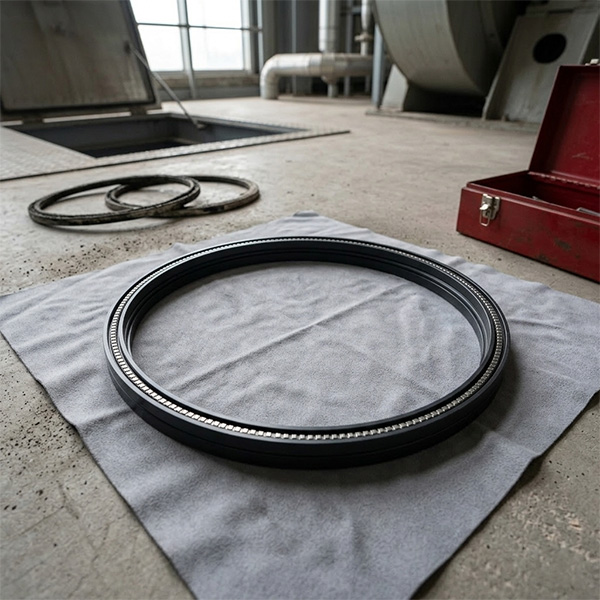
Stopping Oil Leaks with the UYG35/20G010 ID Fan Seal Ring
Stop bearing box leaks with the UYG35/20G010 ID fan seal ring. Learn how gap control and thermal expansion prevent grip failure in induced draft fan spare parts.03-11
-
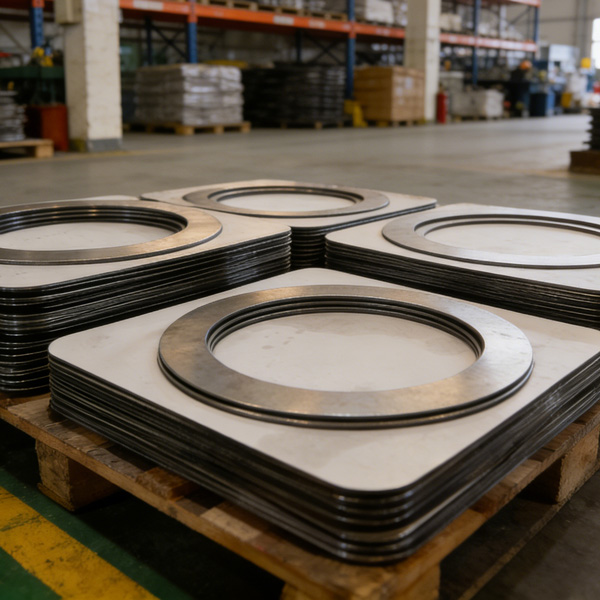
How to Detect Micro Leakage in Feed Water Pump Gasket FA1D56-03-09 Before It Causes Shutdown
Learn the common failure modes of feed water pump cooling water jacket sealing gasket FA1D56-03-09, including aging, creep relaxation, and mechanical damage. Understand external signs, micro leakage detection methods, and practical maintenance tips to prevent pump shutdown and reduce repair cost.03-02


