


How to Master Troubleshooting the 21M00.21.30.01 Hydraulic Filter and Stop the Clogs
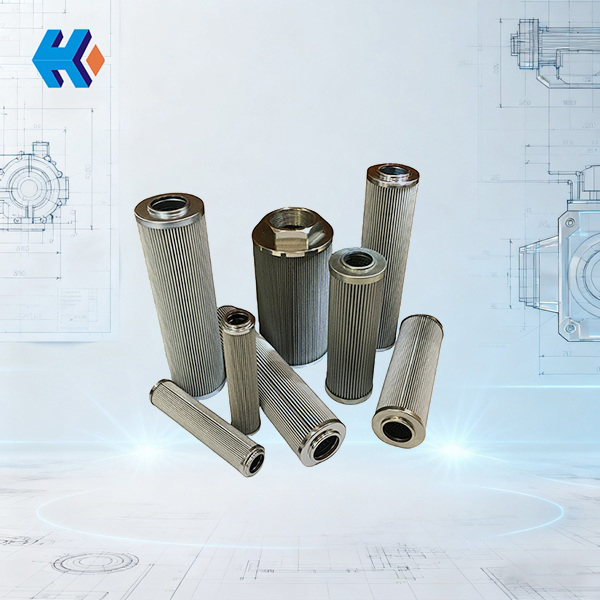
There is nothing more frustrating at an oil station than a perpetually clogging filter. When that happens, your machinery instantly throws a tantrum: pressure readings jump all over the place, oil temperatures rocket sky-high, and sometimes your actuators move like they're wading through molasses. Worse, if you don't address it fast, you risk taking out expensive components, leading to a repair bill that's both costly and time-consuming. Filters like the common 21M00.21.30.01 Return Filter, the 21MG00.21.30.01 Hydraulic Filter, and the 20M30.20.03.02 Bi-directional Filter, all clog for essentially the same reason: they've simply collected more grime than they can handle.
But this contamination doesn't materialize out of thin air. Sometimes it's poor piping layout, leaving dirty dead zones. Other times the oil has aged and oxidized, forming a sticky sludge. Often, it's just a dirty environment with too much airborne dust, or improper maintenance where crud gets introduced during a simple filter change. Talking to seasoned veterans in the field, they'll tell you that over 70% of oil station failures are linked to dirty oil, and a clogged filter is the most immediate warning sign.
Phase 1: Find the Source of the Gunk—That's Where the Clogging Starts
To really fix a recurring clog, you first have to figure out where the junk is coming from. Don't just swap the filter—you'll be back to square one in a week, and all that effort will be wasted.
For instance, airborne dust is notorious for sneaking in through the reservoir breather. If that breather element is shot, unfiltered air—and all its dust—gets pulled directly into the tank. First-line defense filters like the MG00.21.13.01 Inlet Filter will clog up in no time. And think about refueling: if the fill port lacks its own filter, or the oil drum itself is dirty, then filters like the 20MG30.20.03.02 Lube Screen and the F520204010016FY-401 will be screaming for a change prematurely.
Then there's the internal grit—the stuff ground out by the machine itself. When moving parts like pumps, valves, and cylinders suffer from serious wear, metallic shavings drop into the oil. This makes filters like the 20M30.20.03.02 Bi-directional and the 21MG00.21.30.01 Hydraulic Filters magnets for metal particles. Even worse, aging seals can start shedding rubber fragments. I’ve seen a YTSY-010 filter taken apart and absolutely choked with black debris—a clear sign of failing seals. Oil oxidation is another culprit. If the oil temperature stays above 60 degrees C for long periods, the oil thickens and gums up. This gelatinous sludge sticks to the filter element, forming a dark film on the surface of something like the SAF26.6-16-2 filter, instantly cutting its effectiveness in half.
Phase 2: Evaluate the Filter Itself—Did You Choose and Use the Right One?
Sometimes the clog isn't due to excessive dirt, but simply the wrong filter choice. Maybe the filter's rated flow capacity is too small. If the system's actual flow rate is higher than what the filter can handle, the oil moves too fast, and contaminants quickly pile up on the surface. A 21MG00.21.30.01 Hydraulic Filter with an undersized flow rating could clog every couple of weeks.
Also, filtration rating (micron size) has to match the system. Use a filter that's too fine in a lubrication system, and the oil can't get through, leading to a quick block. Use one that's too coarse in a hydraulic system, and the fine particles slip through, causing premature wear on components. I remember one station where they put a super-fine F520204010016FY-401 filter into their lube circuit—it clogged in days. Swapping to a slightly coarser element solved the problem completely.
Finally, filter quality is non-negotiable. Some cheap filters have poorly sealed media seams or a flimsy skeleton, letting contaminants bypass the filter completely—it looks clean but isn't filtering. Other media is too brittle and crumbles when you install it, introducing new debris that causes instant clogging. When replacing filters, always go with a reputable brand—like those from Dongfang SRI—to ensure quality assurance.
Phase 3: Review Operating Parameters—Don't Ignore Temperature and Pressure
The operating parameters of your oil station—temperature, pressure—are hugely relevant to how fast your filters clog. The classic scenario is overheated oil: above 60 degrees C, the oil oxidizes faster, leading to more sludge, and more frequent clogs. One oil station had oil consistently running at 70 degrees C, requiring the 21M00.21.30.01 Return Filter to be changed every 15 days. Once they added a cooling system to drop the temperature below 50 degrees C, the filter lasted for 3 months.
- Differential Pressure: Normally, the differential pressure across the filter should be between 0.05 MPa and 0.15 MPa. If it exceeds 0.35 MPa, the filter is practically choked and needs immediate replacement. Stations without a differential pressure gauge rely on operator guesswork, and by the time the machine acts up, it's often too late.
- Fluid Cleanliness: For a hydraulic system, the oil must meet cleanliness standards, typically ISO 4406 18/16/13. If the level is excessive, say 22/20/17, filters will clog lightning-fast. Dongfang SRI performed an oil analysis for one depot and found too many ferrous particles; adding a magnetic filter reduced contamination by half.
Common Clogging Scenarios & Quick Fixes
| Filter Model | Typical Clogging Cause | Simple Fix |
|---|---|---|
| 21M00.21.30.01 | High oil temp, dirty air intake | Repair cooler, replace breather element |
| 21MG00.21.30.01 | Internal metal wear (pump/valve) | Replace worn components, add magnetic filter |
| 20M30.20.03.02 | Seal shedding, oil oxidation sludge | Replace seals, actively control oil temperature |
| 20MG30.20.03.02 | Unfiltered oil during refilling, heavy dust | Install filter at fill port, ensure dust covers are tight |
| MG00.21.13.01 | Contaminant buildup in pipe dead ends | Clean piping, install pre-filter |
| YTSY-010 | Undersized flow rating, poor quality media | Switch to higher-flow filter, use reputable brand |
The Dongfang SRI Success Story: Trebling the Lifespan of a Problem Filter
A large oil depot was constantly battling issues with their 21M00.21.30.01 return filters, which clogged every 15 days—half the industry average. The hydraulic system pressure was volatile, making stable fueling difficult, and the annual filter bill was 40% over budget. Dongfang SRI conducted a full audit and found several issues: a broken reservoir breather was pouring dust in, the oil temperature was too high (around 70 degrees C), and the filters were flow-undersized.
Their fix was comprehensive yet simple: they installed a high-efficiency breather, added a cooling unit, switched to higher-flow filters, and implemented a strict filter change protocol—depressurize, clean the filter bowl, and then replace with dust prevention in mind. The results were dramatic: the 21M00.21.30.01 filters now last up to 45 days (3x longer), the 21MG00.21.30.01 filter clogging incidents dropped by 75%, and their annual filter spending was reduced by 45%. Downtime due to equipment faults plummeted by 80%.
Final Word: A Clogged Filter Isn't the End of the World—Ignoring the Cause Is
Honestly, a clogged oil station filter isn't some insurmountable technical challenge. The key is resisting the urge to just swap it out and instead diagnosing the root cause. Start by examining the contaminant source, the filter choice itself, the machine's operating data, and maintenance practices. Most of the time, the problem will surface quickly. Pay attention to the details: filter the oil when refilling, change filters on schedule, keep the filter base clean during swaps, and maintain a cool oil temperature. Do this, and your filters will last longer, and your machines will be much happier.
If you find yourself stuck, don't hesitate to call in a professional team like Dongfang SRI. They have the experience to quickly pinpoint the issue, saving you the headache and costly downtime of trial-and-error troubleshooting. After all, the machines need to run to make money—you shouldn't have to spend all your time battling a clogged filter!


-
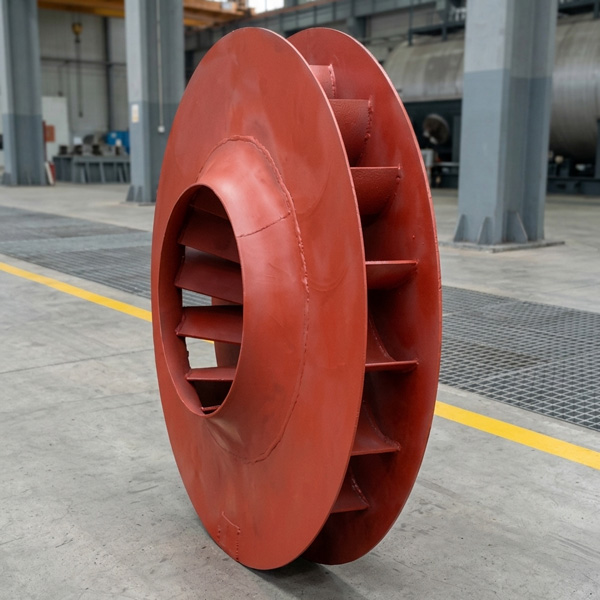
Looking at Abnormal Wear on U250-Y01 Induced Draft Fan Moving Blades
Understand why U250-Y01 induced draft fan blades wear out and how to maintain mechanical linkages. We provide U250-Y01 blades, seals, and connecting rods.03-23
-
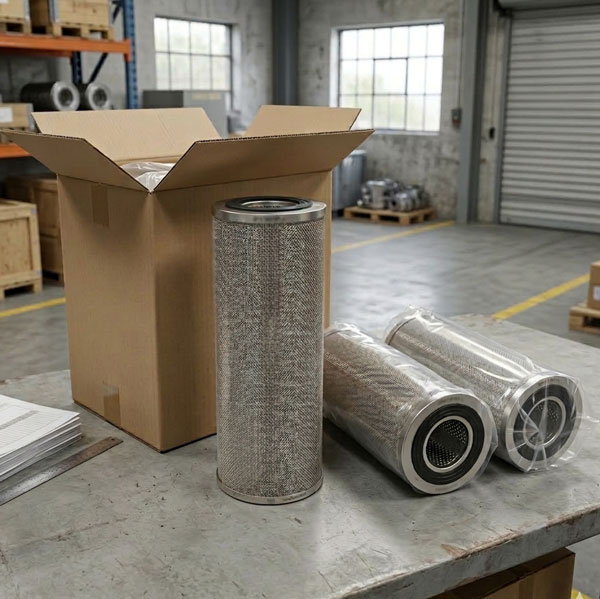
Easy Maintenance with the SDGLQ-60T-36K Duplex Oil Filter for Coal Mills
Learn how to switch the SDGLQ-60T-36K duplex filter element without stopping your coal mill. No oil flow interruption, stable pressure, and zero bypass. Get a quote today.03-17
-
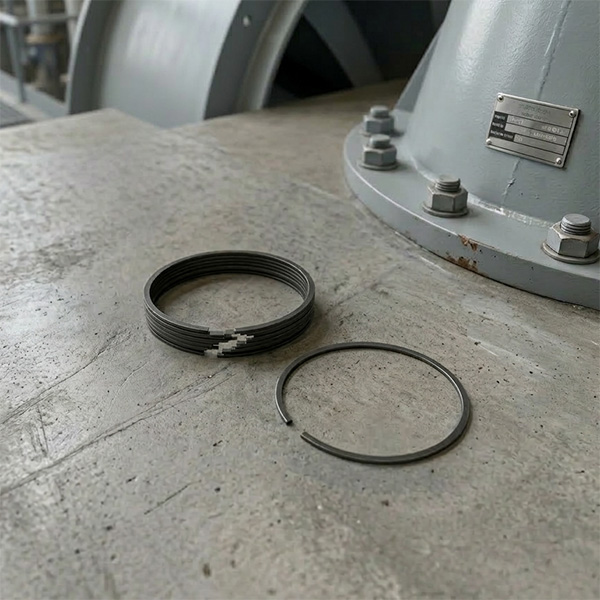
Keeping Your ID Fan Safe with the U2616G2106Y01 Blade Seal Ring
Protect your HU25042-221G fan with the U2616G2106Y01 blade seal ring. Learn how multi-stage sealing prevents bearing jams, blade sticking, and fan stalls.03-12
-
Stopping Oil Leaks with the UYG35/20G010 ID Fan Seal Ring
Stop bearing box leaks with the UYG35/20G010 ID fan seal ring. Learn how gap control and thermal expansion prevent grip failure in induced draft fan spare parts.03-11
-
How to Detect Micro Leakage in Feed Water Pump Gasket FA1D56-03-09 Before It Causes Shutdown
Learn the common failure modes of feed water pump cooling water jacket sealing gasket FA1D56-03-09, including aging, creep relaxation, and mechanical damage. Understand external signs, micro leakage detection methods, and practical maintenance tips to prevent pump shutdown and reduce repair cost.03-02


