


Booster Pump Seal Housing FA1D56-03-03: The Core Skeleton for Pressure and Sealing
I. The Foundation Skeleton for Pressure and Sealing
In big power station boiler feed systems, the FA1D56 booster pump is the main feed pump's scout. It keeps the inlet pressure steady. This machine needs a key, simple-looking part to run safe—the sealing housing FA1D56-03-03. It's the pressure fortress and the sealing system's mounting base. Its performance directly ties to unit efficiency and safety.
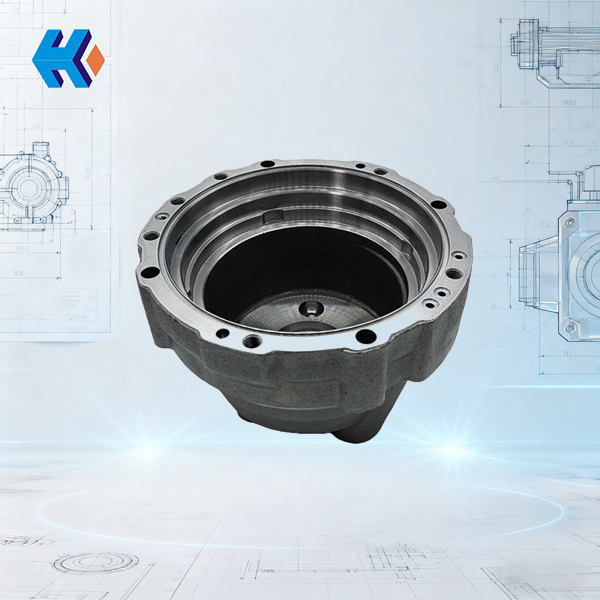
The FA1D56 booster pump seal housing is not on the spinning rotor. It bolts hard onto the pump body end cover. Inside is a precision-made chamber, built for the cartridge mechanical seal. This housing is a pressure part for the booster pump. It must hold the static pressure of hot, high-pressure feed water. It must also resist water flow shock. At the same time, the fit with the seal must be perfect—miss one thing, and it fails.
II. Material and Craft: Hard Strength Guaranteed
Right Material is Safety's Base
This seal housing uses ZG230-450 cast steel. Not a random choice. They pick it for its all-around strength. ZG230-450 cast steel yields at no less than 230N/mm². Tensile strength is at least 450N/mm². That strength lets the housing hold 2.5MPa or more pump discharge pressure. It won't bend or crack.
Its elongation is not less than 22%. This flex lets the housing soak up stress points. Less risk of brittle failure—very important for parts that take constant pressure spikes. ZG230-450 also welds easily. Good for fixing or changing things on site. Machining is smooth. It handles the complex inner shape and high-precision surfaces needed. It’s a proven cast steel. Stable flow, stable shrink. Precision casting makes complex shapes with good inner quality.
Precision Build: No Hidden Faults
- Good material needs good craft. The housing design must calculate water flow, stress, and heat warp. Wall thickness, corner radii, and rib locations are tuned many times. This cuts stress spots and boosts fatigue life.
- The holes and faces that meet the mechanical seal need fine boring and grinding. Tolerances, like concentricity, must hit micron levels—this is the base for a good seal install and long use.
- Rough castings must pass a non-destructive test. Ultrasound or magnetic particle checks find internal shrinkage, pores, and cracks.
- Every finished part gets a hydro test before shipping. Test pressure is 1.5 times the working pressure. It holds pressure for a long time. Only when the pressure and seal checks pass is it shipped out.
III. Sealing is Not a Solo Act
The FA1D56-03-03 seal housing is the whole shaft sealing system's skeleton. You can't look at it alone. It works with the mechanical seal and the location ring inside. They form a precision seal unit. Through the mechanical seal, it meets the pump shaft and shaft sleeve for dynamic sealing. The housing's stiffness and stability give the seal a micro-environment free from outside forces. If the housing warps from bad material or poor manufacturing, the seal's accuracy is instantly ruined. Leak risk shoots up.
Core parts that work with the seal housing must match exactly:
| No. | Product Name | Model/Drawing No. |
|---|---|---|
| 1 | Seal Housing | FA1D56-03-03 |
| 2 | Booster Pump Mechanical Seal | FA1D56A |
| 3 | Booster Pump Seal Locating Ring | FA1D56-03-02 |
| 4 | Shaft Sleeve | FA1D56-01-15 |
| 5 | Shaft Sleeve | FA1D56-01-07 |
IV. Good Maintenance Stops Trouble
This seal housing works with the FA1D56 series boiler booster pump. It constantly fights the rush of hot, high-pressure boiler water. If it leaks, the results are terrible—the machine must stop. High-pressure steam jets also endanger people and nearby equipment.
Daily checks and overhauls must be tough on the seal housing. Look closely for cracks, warping. Check the seal mating surface for scratches or corrosion. Don't wait if you find problems. Fix them fast. Stop small issues from becoming big failures. For the power station, a reliable FA1D56-03-03 seal housing is the bottom line for safe machine running.
HKCYT-2025-11-26


-
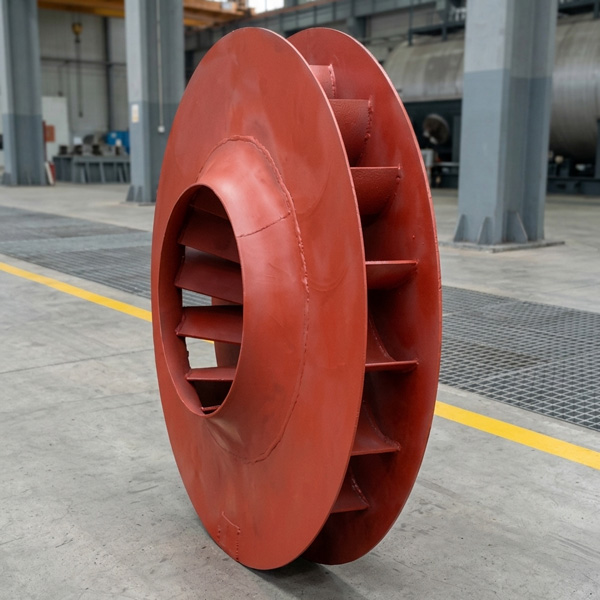
Looking at Abnormal Wear on U250-Y01 Induced Draft Fan Moving Blades
Understand why U250-Y01 induced draft fan blades wear out and how to maintain mechanical linkages. We provide U250-Y01 blades, seals, and connecting rods.03-23
-
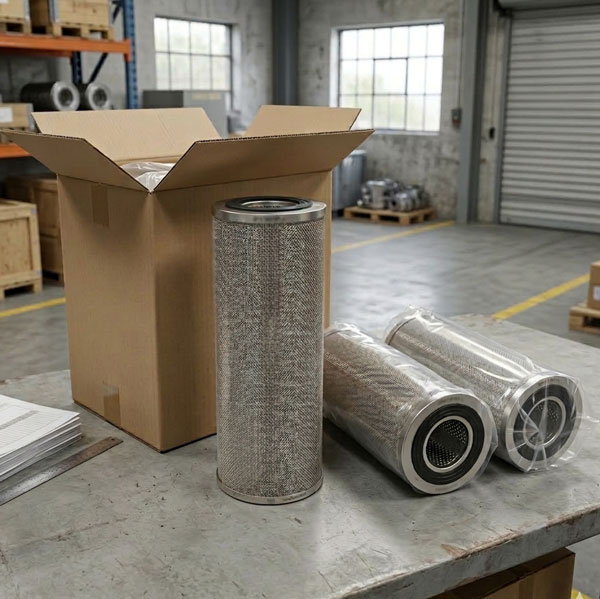
Easy Maintenance with the SDGLQ-60T-36K Duplex Oil Filter for Coal Mills
Learn how to switch the SDGLQ-60T-36K duplex filter element without stopping your coal mill. No oil flow interruption, stable pressure, and zero bypass. Get a quote today.03-17
-
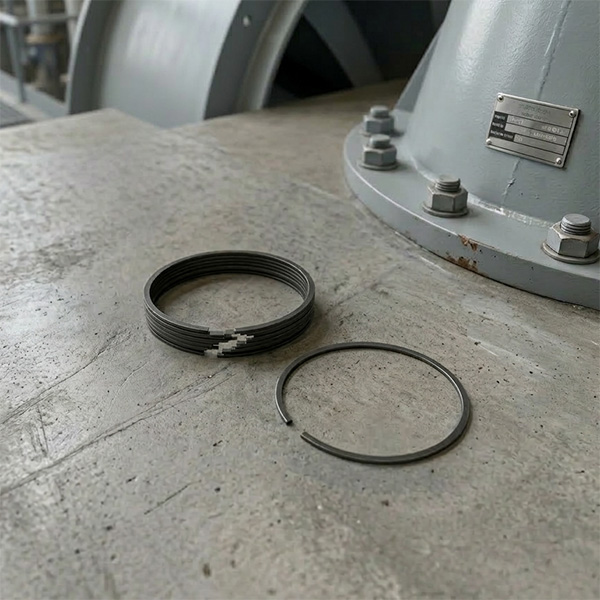
Keeping Your ID Fan Safe with the U2616G2106Y01 Blade Seal Ring
Protect your HU25042-221G fan with the U2616G2106Y01 blade seal ring. Learn how multi-stage sealing prevents bearing jams, blade sticking, and fan stalls.03-12
-
Stopping Oil Leaks with the UYG35/20G010 ID Fan Seal Ring
Stop bearing box leaks with the UYG35/20G010 ID fan seal ring. Learn how gap control and thermal expansion prevent grip failure in induced draft fan spare parts.03-11
-
How to Detect Micro Leakage in Feed Water Pump Gasket FA1D56-03-09 Before It Causes Shutdown
Learn the common failure modes of feed water pump cooling water jacket sealing gasket FA1D56-03-09, including aging, creep relaxation, and mechanical damage. Understand external signs, micro leakage detection methods, and practical maintenance tips to prevent pump shutdown and reduce repair cost.03-02


