


Coupling Nut FA1D56-01-01: The Power Lock for the Booster Pump
I. Right Material: Aluminum Bronze's Anti-Seize Trick
In the power station boiler feed system, the FA1D56 booster pump is the power transfer station. It links the deaerator to the main feed pump. Motor power must get to the pump shaft steadily. This all relies on the coupling assembly. The Coupling Nut FA1D56-01-01 is the key part that locks the coupling to the pump shaft—torque relies on it. How tight the connection is all comes down to this nut.
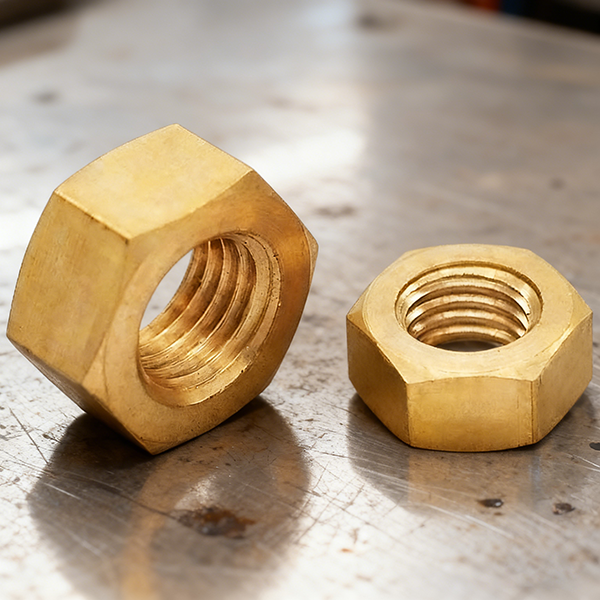
This nut does not use common alloy steel. It uses ZCuAl9Fe4Ni4Mn2 aluminum bronze. This complex alloy is custom-made for tough power station work.
- The biggest pro is anti-seize. The nut takes huge pre-tightening force. At high speed, steel nuts and steel shaft journals can cold weld together. Stuck fast. Aluminum bronze and steel don't mix metallurgically. They won't stick. Smooth to tighten. Easy to remove. That's why power plants love it.
- Strength and wear resistance are solid too. Heat-treated aluminum bronze is hard. It handles the booster pump's start-up shock, torque, and running vibration. After many installs and removals, the threads still fit perfectly. No stripping.
- The plant environment is hot and wet. Aluminum bronze forms a tight aluminum oxide film. It fights water vapor and oil. It won't rust and seize up. It also handles the alternating loads of the booster pump's running. Its fatigue resistance means it won't snap suddenly. No unexpected trip.
II. Craftsmanship: Every Step for Reliability
Good material needs good craft. The nut's build is controlled on every detail.
- The composition must be right. Aluminum, iron, nickel—key element content is strictly per national standard. That's the basis for its strength.
- The blank uses precision forging. Denser metal structure inside. Then, special heat treatment. Strength and toughness are optimized.
- The thread is the core. Made with high-precision rolling or tapping. Smooth finish and precise fit. It seats perfectly on the shaft.
- Critical batches get dye penetrant or ultrasonic testing. Ensures no hidden cracks or porosity. The nut is small, but it cannot fail.
III. System Synergy: Not a Solo Fight
The nut's locking power relies on other parts working with it. It teams up with a locking washer. Tighten the nut, then bend the washer's tab into the nut slot. No matter how much vibration, it won't loosen. In the whole shaft line, it works with the pump shaft, shaft nut, and shaft sleeve. They form a precision positioning system.
Failure in any part causes a chain reaction: Worn shaft sleeves cause center shift. A bad locking washer means a loose nut. Leads to rotor unbalance. Vibration gets worse. Even the condition of outer parts, like bearing pedestals and oil level gauge covers, affects shaft stability. Check everything during repair.
Core parts list:
| No. | Product Name | Model/Drawing No. | Core Function |
|---|---|---|---|
| 1 | Coupling Nut | FA1D56-01-01 | Locks coupling to booster pump shaft, transfers torque |
| 2 | Locking Washer | FA1D56A-01-11 | Works with nut to prevent loosening from vibration |
| 3 | Pump Shaft | FA1D56A-01 | Core spinning part, carries nut and coupling |
| 4 | Shaft Nut | FA1D56A-01-12A/08A | Helps position shaft parts, makes connection tighter |
| 5 | Free End Shaft Sleeve | FA1D56-01-15 | Protects booster pump shaft, works with seal and connection |
IV. Repair Notes: Install and Remove Needs Skill
The booster pump spins around 3000rpm. Transfers tens to hundreds of kilowatts of power. A loose nut means sudden power loss. Can even cause the coupling to fly off. Repair time must be serious about install and removal.
- Use the right size special socket wrench for removal. Thanks to aluminum bronze's anti-seize nature, it usually comes off smooth. If it resists, don't force it. Spray some rust remover. Light tapping. Rough use of a cheater bar only ruins the threads.
- Check the nut threads for wear, warping, or cracks. Check the shaft journal threads too.
- Before installing, wipe threads clean. Put on a little Molybdenum disulfide or copper anti-seize paste. Makes next removal easy.
- Use a torque wrench. Tighten to the spec value, evenly. Always bend the locking washer tab into the slot. Don't skip this. It's the only anti-loosen method.
This small FA1D56-01-01 coupling nut is the booster pump's last line of defense for power transfer. Choose the right material. Do the repairs right. It will hold its post steadily. Keeps the booster pump running safe for a long time.
HKCYT-2025-11-27


-
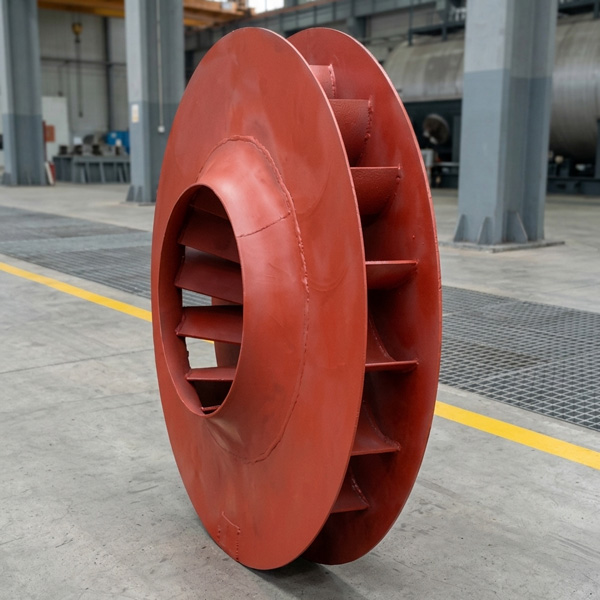
Looking at Abnormal Wear on U250-Y01 Induced Draft Fan Moving Blades
Understand why U250-Y01 induced draft fan blades wear out and how to maintain mechanical linkages. We provide U250-Y01 blades, seals, and connecting rods.03-23
-
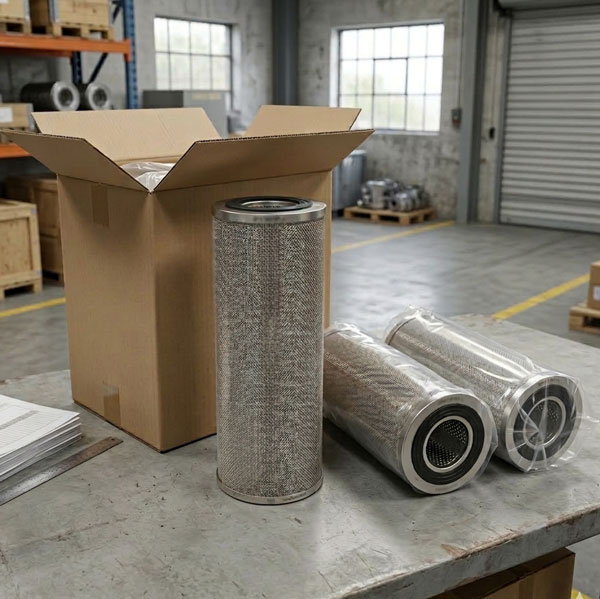
Easy Maintenance with the SDGLQ-60T-36K Duplex Oil Filter for Coal Mills
Learn how to switch the SDGLQ-60T-36K duplex filter element without stopping your coal mill. No oil flow interruption, stable pressure, and zero bypass. Get a quote today.03-17
-
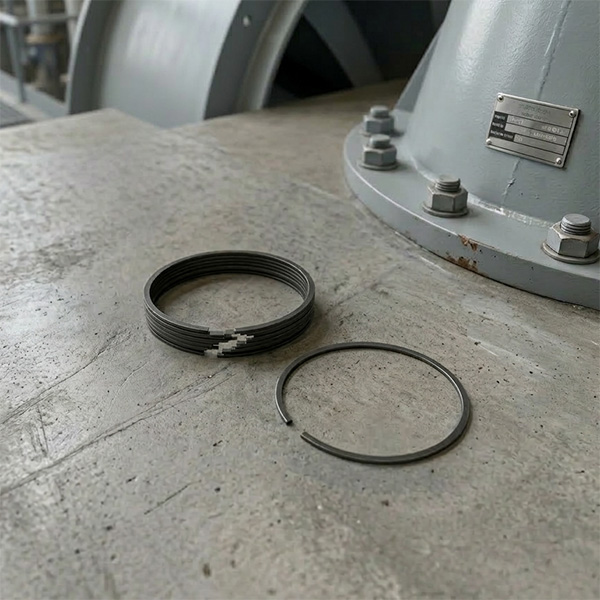
Keeping Your ID Fan Safe with the U2616G2106Y01 Blade Seal Ring
Protect your HU25042-221G fan with the U2616G2106Y01 blade seal ring. Learn how multi-stage sealing prevents bearing jams, blade sticking, and fan stalls.03-12
-
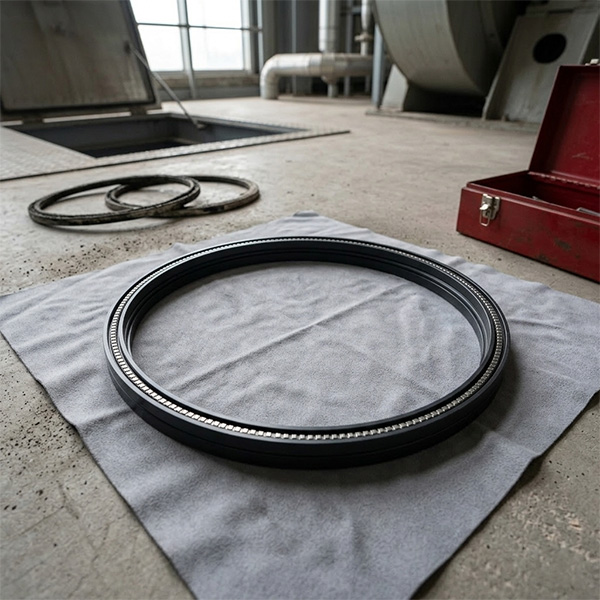
Stopping Oil Leaks with the UYG35/20G010 ID Fan Seal Ring
Stop bearing box leaks with the UYG35/20G010 ID fan seal ring. Learn how gap control and thermal expansion prevent grip failure in induced draft fan spare parts.03-11
-
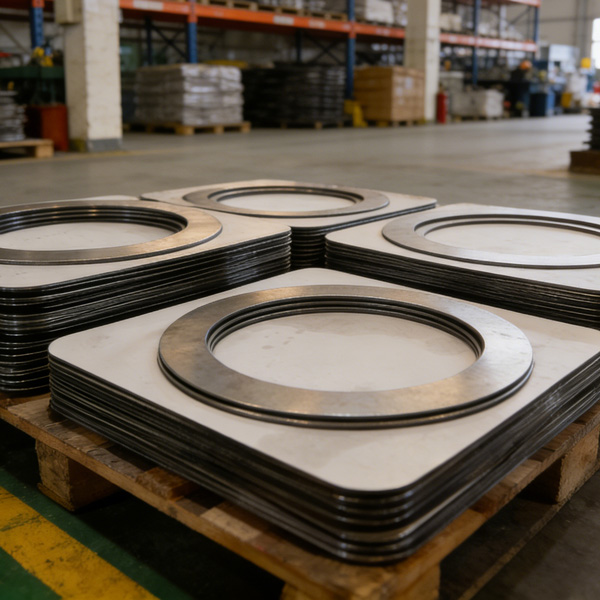
How to Detect Micro Leakage in Feed Water Pump Gasket FA1D56-03-09 Before It Causes Shutdown
Learn the common failure modes of feed water pump cooling water jacket sealing gasket FA1D56-03-09, including aging, creep relaxation, and mechanical damage. Understand external signs, micro leakage detection methods, and practical maintenance tips to prevent pump shutdown and reduce repair cost.03-02


