


Thrust Disc DG600-240-03-22A: Why it’s the Key to Your Feed Water Pump Overhaul
In a power plant or a nuclear facility, the FK6D32 steam-driven feed water pump is a massive piece of machinery that has to work perfectly 24/7. Inside that pump, there is a lot of pressure and a lot of movement. The part that handles all that pushing force is the Thrust Disc DG600-240-03-22A.
Its job sounds simple: it stops the pump rotor from moving too far forward or backward (what we call axial thrust). If this disc isn't doing its job, the rotor will start shuttling or floating too much. When that happens, you get vibrations, heat alarms, and eventually, a total pump failure. That is why during any major overhaul, the thrust disc is usually the first thing we look at.
The Team: Parts That Work with the DG600-240-03-22A
One thing you need to know right away is that you can't just swap the thrust disc and call it a day. The FK6D32 Maintenance Manual is very clear: this disc needs its team of matching parts to work. If you put a new disc in with old, flattened O-rings or a worn-out oil deflector, you are just asking for a leak or a bearing failure in a few weeks.
| Matching Part Name | Model Number | Why you need it |
|---|---|---|
| O-Ring | DG600-240-07-01(1) | Stops lube oil from leaking out. If oil leaks, the disc gets dry and hot. |
| Oil Deflector | DG600-240-05-04 | Keeps the dirty medium away from the clean lube oil. |
| Radial Bearing Cap | DG600-240-05-01 | This is the base. If the cap is warped, the disc will never sit straight. |
| Balance Pipe | DG600-240-01-05-00 | This helps carry some of the load so the disc doesn't have to do all the work alone. |
I. Why This Disc is Tougher Than It Looks
You might look at the DG600-240-03-22A and think it's just a piece of steel, but there is a lot of engineering in it. It's made from 45# Carbon Steel, which is standard for high-strength parts, but it goes through two very important heat treatments:
- Quenching and Tempering (Q&T): This makes the whole disc tough. You don't want the steel to be brittle; it needs to be able to take a hit or a sudden pressure spike without cracking into pieces.
- Surface Induction Hardening: The flat surface—the part that actually rubs against the thrust pads—goes through induction hardening. This makes the surface very hard and slick, which is what allows it to spin at thousands of RPMs for months at a time without wearing down.
II. Maintenance: Getting the Job Done Right
When should you replace it? Usually, there are two times. The first is an Emergency Repair (vibrations or heat alarms). The second is a Scheduled Overhaul. Most plants replace the thrust disc every few years just to be safe.
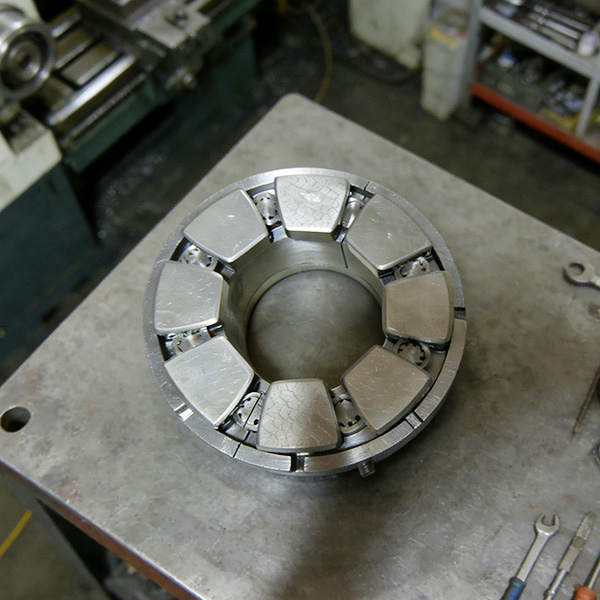
Step 1: Before You Take it Apart
First, you need to measure the Rotor Float. This is the amount of room the rotor has to move back and forth. Write this number down! You will need it later to make sure the new disc is installed correctly.
Step 2: Taking Out the Old Disc
Use the right pullers. Don't grab a sledgehammer and start beating on the shaft. You can easily bend the shaft neck or damage the rotor if you are too rough. Pull the disc out smoothly. Once it's out, look at the face of it. If you see deep scratches or rainbow colors (heat tint), it means the pump was running hot.
Step 3: Putting in the New Disc
Check the fit. The DG600-240-03-22A is a precision part, so it should slide on perfectly. Always, always use brand-new O-rings. Even if the old ones look okay, they have probably lost their spring and won't seal properly under high pressure.
Step 4: The Final Check
Tighten the bolts to the torque specs in the manual. Now, measure the rotor float again. If it's too tight, the pump will overheat. If it's too loose, the rotor will vibrate. Finally, turn the pump shaft by hand (barring). It should feel smooth.
III. Why Procurement Matters
Buying a generic thrust disc is a bad idea. If the disc is off by even a fraction of a millimeter, the disc can fail. Dongfang SRI provides the DG600-240-03-22A made exactly to original factory specs. We don't just send the disc; we can send the O-rings, the oil deflectors, and the breathers all in one kit.
Summary: Replacing a thrust disc is about protecting the heart of your plant. By using high-quality parts and following the right steps—measuring clearance and checking heat treatment—you can keep your FK6D32 pumps running for years.
HKCYT-2026-01-07


-
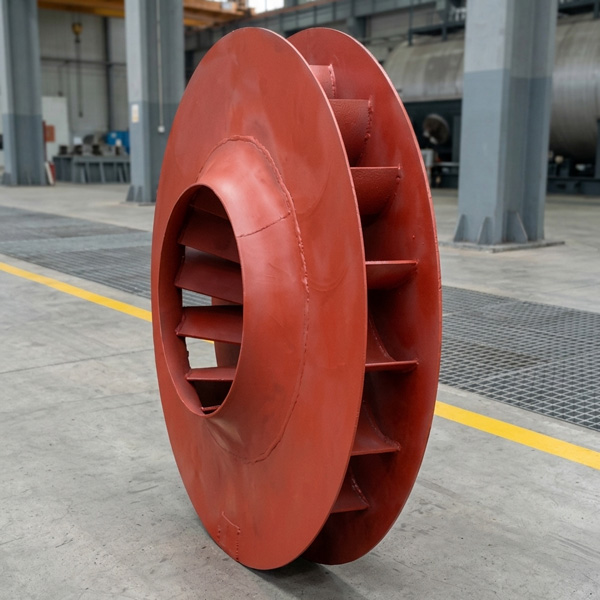
Looking at Abnormal Wear on U250-Y01 Induced Draft Fan Moving Blades
Understand why U250-Y01 induced draft fan blades wear out and how to maintain mechanical linkages. We provide U250-Y01 blades, seals, and connecting rods.03-23
-
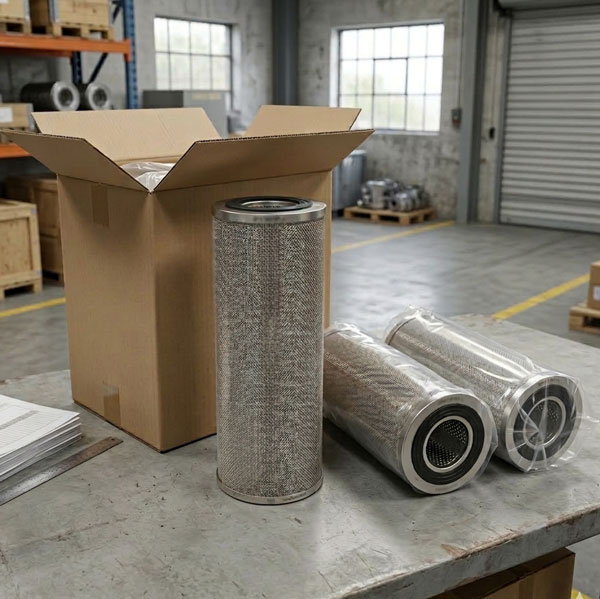
Easy Maintenance with the SDGLQ-60T-36K Duplex Oil Filter for Coal Mills
Learn how to switch the SDGLQ-60T-36K duplex filter element without stopping your coal mill. No oil flow interruption, stable pressure, and zero bypass. Get a quote today.03-17
-
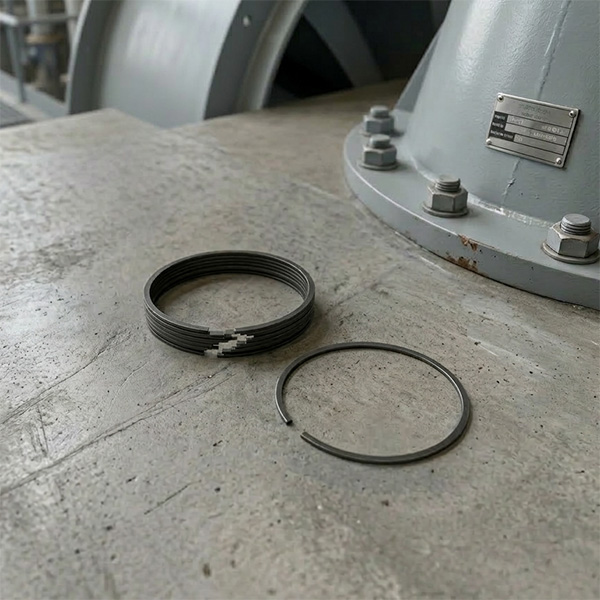
Keeping Your ID Fan Safe with the U2616G2106Y01 Blade Seal Ring
Protect your HU25042-221G fan with the U2616G2106Y01 blade seal ring. Learn how multi-stage sealing prevents bearing jams, blade sticking, and fan stalls.03-12
-
Stopping Oil Leaks with the UYG35/20G010 ID Fan Seal Ring
Stop bearing box leaks with the UYG35/20G010 ID fan seal ring. Learn how gap control and thermal expansion prevent grip failure in induced draft fan spare parts.03-11
-
How to Detect Micro Leakage in Feed Water Pump Gasket FA1D56-03-09 Before It Causes Shutdown
Learn the common failure modes of feed water pump cooling water jacket sealing gasket FA1D56-03-09, including aging, creep relaxation, and mechanical damage. Understand external signs, micro leakage detection methods, and practical maintenance tips to prevent pump shutdown and reduce repair cost.03-02


