


The Buyer's Guide to FA1B56-A2-104287 Radial Bearing: Fit, Material, and Life
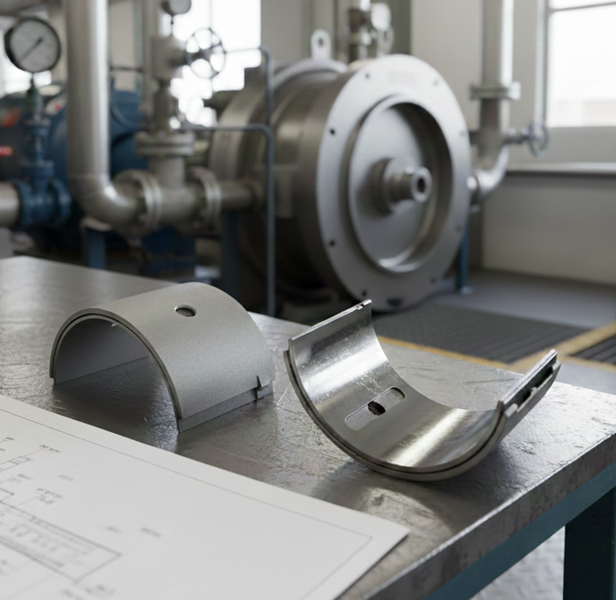
The FA1B56-A2-104287 radial bearing is a thin-walled component that sits at the heart of your feedwater pump. Getting the radial clearance right is a big deal. It directly controls the temperature, vibration, and how long the bearing lasts. Because feed pumps work under heavy loads and high speeds, a clearance that is too big or too small will cause a breakdown. Being precise with your measurements and adjustments is the only way to keep the unit stable. In the field, we usually use the Shaft Lift Method for these thin-walled bearings instead of the old Lead Wire Method. There's a good reason for that.
1. Choosing the Method: Why the Shaft Lift Method Fits Thin-Walled Bearings
The Lead Wire Method is fine for thick bearings, but it's a bad idea for the FA1B56-A2-104287 radial bearing. Thin-walled shells deform easily. If you crush a lead wire inside, you might actually change the shape of the shell, giving you a fake reading.
The Shaft Lift Method is much safer for thin structures. You use a dial indicator to watch how much the journal rises, which tells you the clearance. You don't have to take the bearing apart, so there's less risk of scratching the shells. Just make sure the journal and bearing surfaces are clean—oil or grit will mess up your numbers.
To do it right, fix the dial indicator to the bearing housing. Put the tip vertically on the top of the shaft. Slowly lift the shaft and write down the movement. Do it a few times and take the average to cut down on errors.
2. Checking the Standards: Comparing Data to Design
Once you have your numbers, you need to check them against the design range for the FA1B56-A2-104287 radial bearing. Every pump is a bit different based on its speed and load, so there isn't one magic number for everyone.
- Clearance too big: If the gap is too wide, the oil film can't support the shaft. You'll get nasty vibrations and loud noises. It also lets too much oil leak out, leaving the bearing dry. Eventually, the shaft will start hammering the shell, which kills the bearing life.
- Clearance too small: This is even more dangerous. If the gap is too tight, the oil film is too thin. Friction goes way up, and the temperature spikes. This burns the oil and can cause the Babbitt metal to melt or seize. If it gets bad enough, the pump will lock up and trip the unit.
If you need the original design specs or calibration help, just ask us.
3. Adjustment Tips: Fixing the Gap
If your clearance is out of spec, you need to fix it without hurting the bearing.
If the gap is too big, the best move is to replace the shell with a thicker one. Use an original FA1B56-A2-104287 radial bearing shell so the materials match perfectly. Sometimes you can add thin metal shims under the bearing seat for a tiny adjustment. Make sure those shims are high-quality metal that won't squish or rust.
If the gap is too small, you have to scrape the shell. Use a specialized scraper to take off a tiny bit of material from the inner surface. Go slow and measure often—you don't want to over-scrape and end up with a gap that is too big. If the shell is already looking rough, it's safer to just put in a new one.
4. Field Essentials: Making it Last
Before you adjust anything, check how the bearing seat fits the shell. It should be snug with no rust or wobbling. Also, keep an eye on the alignment (coaxiality). You don't want to fix the clearance but ruin the alignment in the process.
After you finish adjusting, check the clearance again using the Shaft Lift Method. Make sure the numbers stay steady. When you put the pump back together, do a no-load test run. Watch the heat and the vibration levels to prove the adjustment worked. Important: Never grind the shaft journal to fix the clearance. That ruins the surface finish and creates a huge safety risk.
5. Daily Maintenance: Keeping Things Steady
During your normal rounds, use a thermometer and a vibration pen to check on the FA1B56-A2-104287 radial bearing. If the numbers start creeping up, your clearance might be changing. We recommend a full clearance check every quarter.
Keep your oil clean. Dirt inside the bearing acts like sandpaper, wearing down the metal and widening the gap over time. Change your oil on schedule so it doesn't break down and lose its lubricating power.
Beyond managing radial bearing clearances, the stable operation of a feed pump depends on the precision fit of all auxiliary parts. Below is a list of core components commonly used for this model. To ensure perfect alignment and performance, you should always select parts that meet original factory specifications.
| Part Name | Model / Specification |
|---|---|
| Pump Spacer Sleeve | DG600-240-03-16 |
| Pump Gasket | DG600-240-05-10 |
| Seal Ring | HTHP-01-02-17-02 |
| Throttle Plug | HTHP-01-02-19-13 |
| Impeller Nut | FAID56-01-08B |
| Guide Vane | HPT200-330-04-14 |
| Pump Casing Wear Ring | FAID56-03-05 |
| Retaining Ring | DG600-240-07-02(4) |
| Pump Shaft | FA1D56-01-03A |
| Clamping Ring | HPT300-340Ⅲ-03-02 |
Conclusion: Accurate Control Protects the Unit
Managing the FA1B56-A2-104287 radial bearing comes down to knowing your pump's specific needs. Use the Shaft Lift Method, stick to the design standards, and adjust scientifically. That is how you stop failures before they start.
Need an original FA1B56-A2-104287 radial bearing, adjustment tools, or on-site help? Reach out to us. We provide the parts and the technical support to help you get the clearance exactly right.
HKCYT-2026-01-20


-
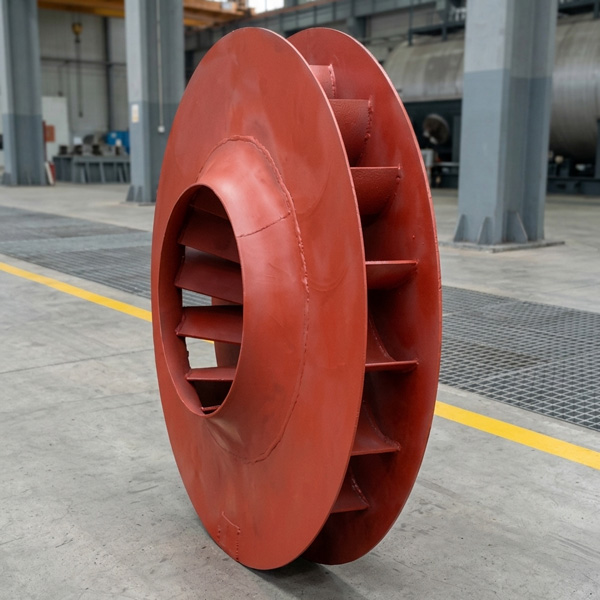
Looking at Abnormal Wear on U250-Y01 Induced Draft Fan Moving Blades
Understand why U250-Y01 induced draft fan blades wear out and how to maintain mechanical linkages. We provide U250-Y01 blades, seals, and connecting rods.03-23
-
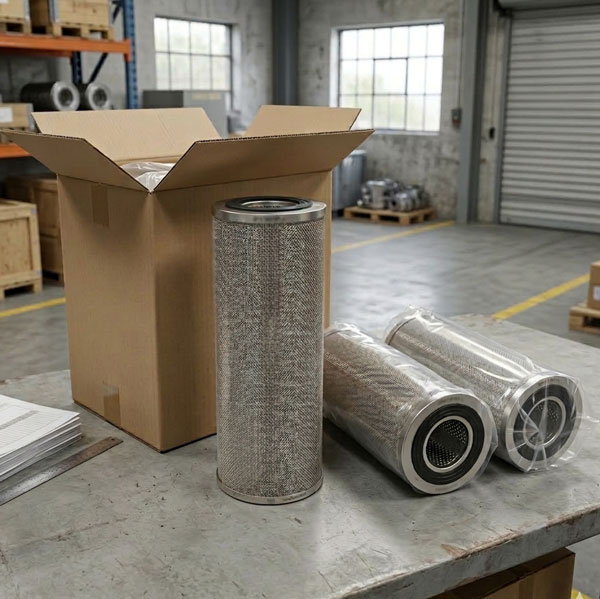
Easy Maintenance with the SDGLQ-60T-36K Duplex Oil Filter for Coal Mills
Learn how to switch the SDGLQ-60T-36K duplex filter element without stopping your coal mill. No oil flow interruption, stable pressure, and zero bypass. Get a quote today.03-17
-
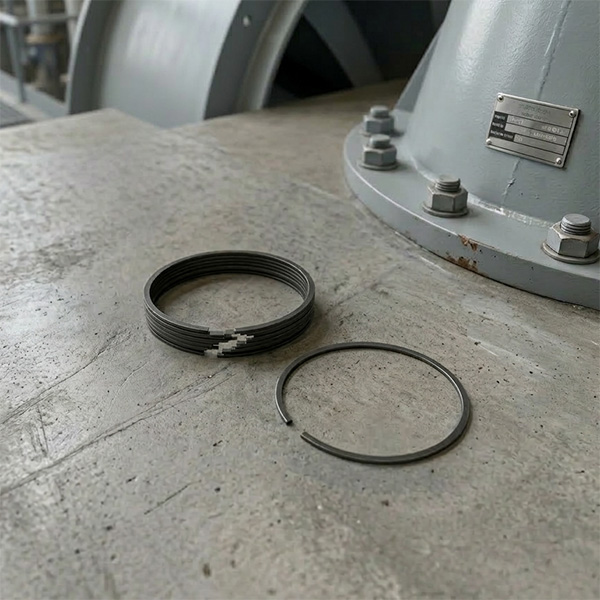
Keeping Your ID Fan Safe with the U2616G2106Y01 Blade Seal Ring
Protect your HU25042-221G fan with the U2616G2106Y01 blade seal ring. Learn how multi-stage sealing prevents bearing jams, blade sticking, and fan stalls.03-12
-
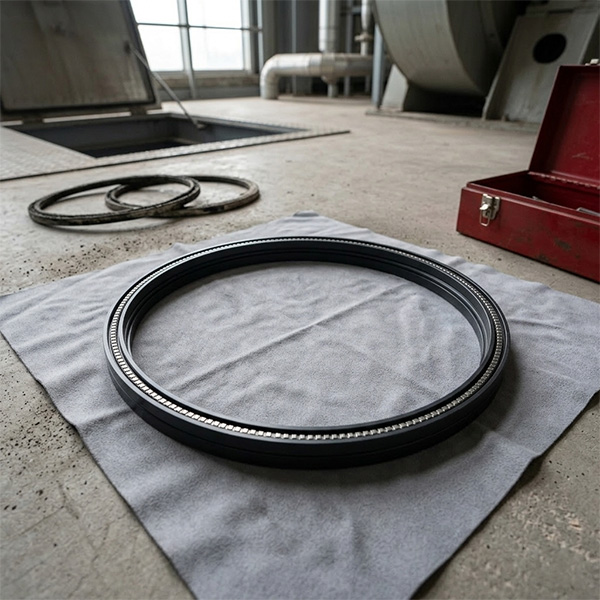
Stopping Oil Leaks with the UYG35/20G010 ID Fan Seal Ring
Stop bearing box leaks with the UYG35/20G010 ID fan seal ring. Learn how gap control and thermal expansion prevent grip failure in induced draft fan spare parts.03-11
-
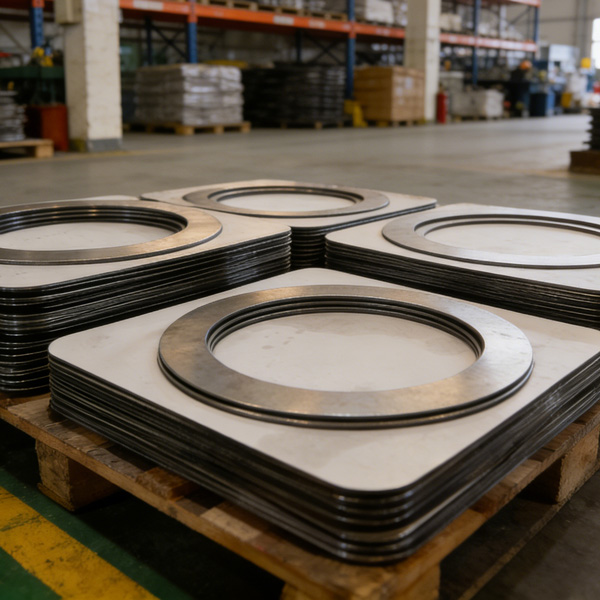
How to Detect Micro Leakage in Feed Water Pump Gasket FA1D56-03-09 Before It Causes Shutdown
Learn the common failure modes of feed water pump cooling water jacket sealing gasket FA1D56-03-09, including aging, creep relaxation, and mechanical damage. Understand external signs, micro leakage detection methods, and practical maintenance tips to prevent pump shutdown and reduce repair cost.03-02


