


FA1D56-01-08B Impeller Nut: Maintenance Tips and How to Spot Damage Early
The FA1D56-01-08B impeller nut is the main part that keeps the feedwater pump impeller locked in place. Since these pumps run at very high speeds, this nut has to handle a lot of axial force and constant vibration. If the nut is solid, the impeller stays in line. But if it fails, the impeller can move or get loose, which ruins the pump's efficiency and makes the whole unit unsafe. During your regular teardowns, you have to look at this nut very closely. Finding a small crack or a bit of wear early is the only way to stop a total pump breakdown.
1. Regular Maintenance: What to Look For
The first thing to worry about is the tightening force. Vibration from the pump will try to back the nut off, so you must use a torque wrench to check it. If the FA1D56-01-08B impeller nut is too loose, the impeller will move and start rubbing the pump casing. But if you over-tighten it, you might stretch the threads or even crack the nut body.
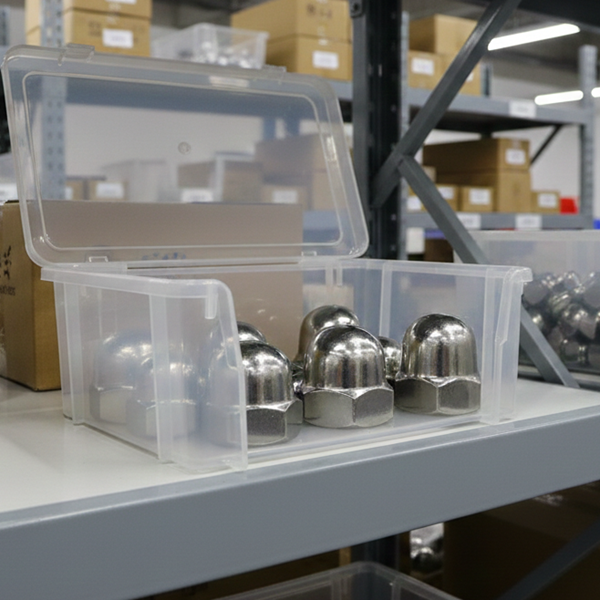
Take a good look at the threads. You are looking for wear, flat spots, or rust. Even a small scratch on the thread can turn into a big failure later on. Our original FA1D56-01-08B impeller nut uses high-precision threads made just for these heavy pump loads.
Clean the nut and the shaft surface really well. Get rid of old oil, rust, or metal shavings so the nut sits flat. If the surface is dented, the nut won't push evenly, and that leads to cracks. Also, don't reuse old locking washers or cotter pins. If those safety parts fail, the nut will loosen up fast. Always put in new ones.
2. Common Ways the Nut Fails
Stripped threads happen most of the time. The shock from starting the pump and the constant shaking wears the threads down until they can't hold the load anymore. This usually happens if the torque was wrong last time or if the threads were already a bit damaged.
Fatigue cracks are also a big risk. Constant stress from the spinning shaft creates tiny cracks at the corners of the nut. These grow until the FA1D56-01-08B impeller nut just snaps in half. When the nut breaks, the impeller goes loose, and that usually destroys the inside of the pump.
Loosening and shifting is a common headache. If the lock washer fails or the guy installing it was sloppy, the nut starts to back off. At first, you might just see the impeller move a tiny bit, but soon it starts running off-center and eats up the wear rings.
3. Damage Pre-diagnosis: Finding Problems While Running
You can actually find signs of trouble before you even open the pump. If the vibration gets high or you hear a weird rhythmic noise, the FA1D56-01-08B impeller nut might be coming loose. Check your axial vibration levels—if the nut is loose, the impeller will start "shuffling" back and forth on the shaft.
Check your oil reports, too. If the nut is grinding or cracking, tiny metal bits will show up in the lube oil. If the iron (Fe) levels suddenly go up, you need to check that nut. When you have the pump open, try to shake the impeller by hand. If it moves even a little, the nut is loose. Look for rust or tiny lines on the nut—if you see them, replace it.
4. Maintenance Protection: Making It Last Longer
Doing the installation right is the most important part. When you put the FA1D56-01-08B impeller nut back on, the threads must be clean and bone-dry. You can use a tiny bit of thread-locker to help it fight the vibration. Follow the torque chart from the manual—don't just guess by "feel."
Try not to "hard start" the pump if you don't have to. The huge torque hit from a fast start puts a lot of stress on the nut. Follow the slow ramp-up rules to keep the stress low. And like we said before, never reuse the old locking hardware. It’s a cheap part, but a failure costs a fortune.
5. Fitting Tips: Don't Use "Will-Fit" Parts
The FA1D56-01-08B impeller nut has its own specific size and strength. Do not try to use a "standard" nut from a local supplier. Those nuts don't have the right thread precision or the high-strength metal needed for a high-speed feed pump.
Our original FA1D56-01-08B impeller nut is made to fit the shaft and impeller perfectly. It can handle the shaking and the torque that cheap parts can't. To keep the whole pump safe, you should also check these other parts that work with the nut:
| Part Name | Model / Specification |
|---|---|
| Washer | FA1D56-03-24A |
| Spring | DG750-180-04-22 |
| Lock Nut | FK5G32-03-12 |
| Booster Pump Casing Stud | FA1D56-03-13 |
| Mechanical Seal (Component) | FA1D56A |
| O-Ring | HZB253-640 03-08 |
| Mechanical Seal | HZB253-6401143/8B1 |
| Bolt Protection Cap | DG750-180-01-09 |
| O-Ring (Alternative) | HZB253-640 03-08 |
| Secondary Impeller | HPT300-340II-03-03 |
All these parts have to work together. If the washer is wrong or the shaft is worn, it puts too much stress on the FA1D56-01-08B impeller nut, and that's when it starts to crack or come loose.
Conclusion: Good Maintenance Keeps the Pump Safe
Keeping the FA1D56-01-08B impeller nut in good shape is all about checking the torque and the thread quality. If you find the signs of a loose or cracked nut early and use the right original parts, the pump will run a long time without trouble.
Looking for an original FA1D56-01-08B impeller nut, locking pins, or some help with your pump overhaul? Contact us. We have the high-quality parts and the technical tips to help you get the job done right.
HKCYT-2026-01-22


-
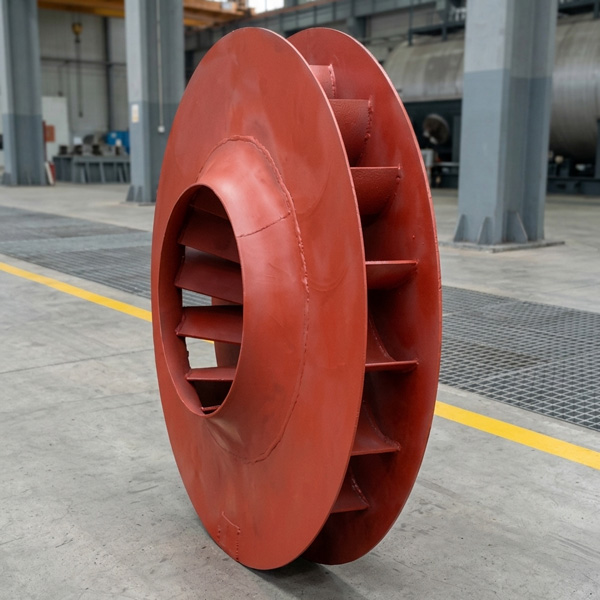
Looking at Abnormal Wear on U250-Y01 Induced Draft Fan Moving Blades
Understand why U250-Y01 induced draft fan blades wear out and how to maintain mechanical linkages. We provide U250-Y01 blades, seals, and connecting rods.03-23
-
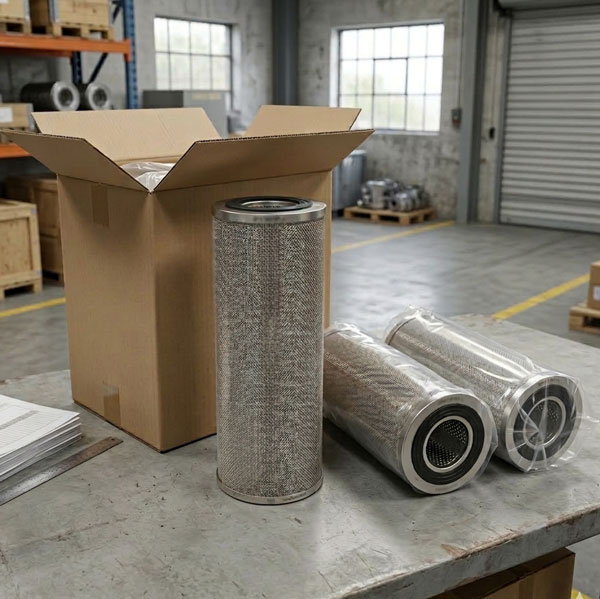
Easy Maintenance with the SDGLQ-60T-36K Duplex Oil Filter for Coal Mills
Learn how to switch the SDGLQ-60T-36K duplex filter element without stopping your coal mill. No oil flow interruption, stable pressure, and zero bypass. Get a quote today.03-17
-
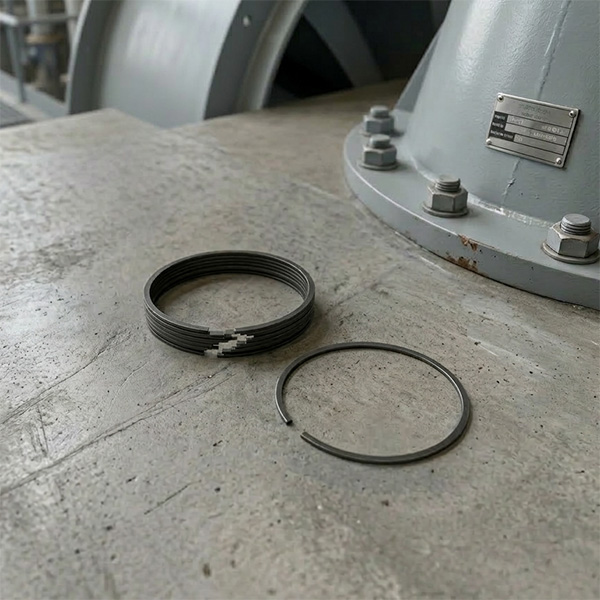
Keeping Your ID Fan Safe with the U2616G2106Y01 Blade Seal Ring
Protect your HU25042-221G fan with the U2616G2106Y01 blade seal ring. Learn how multi-stage sealing prevents bearing jams, blade sticking, and fan stalls.03-12
-
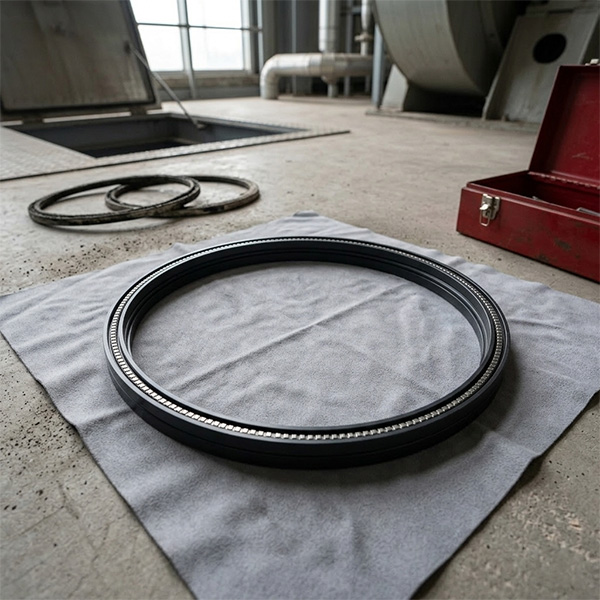
Stopping Oil Leaks with the UYG35/20G010 ID Fan Seal Ring
Stop bearing box leaks with the UYG35/20G010 ID fan seal ring. Learn how gap control and thermal expansion prevent grip failure in induced draft fan spare parts.03-11
-
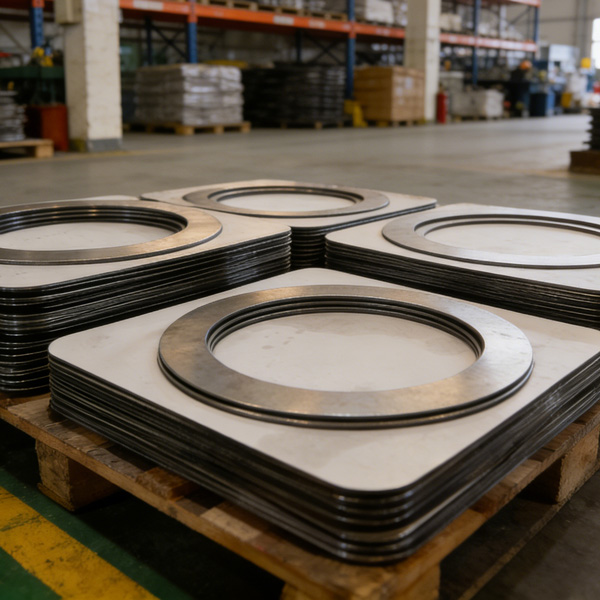
How to Detect Micro Leakage in Feed Water Pump Gasket FA1D56-03-09 Before It Causes Shutdown
Learn the common failure modes of feed water pump cooling water jacket sealing gasket FA1D56-03-09, including aging, creep relaxation, and mechanical damage. Understand external signs, micro leakage detection methods, and practical maintenance tips to prevent pump shutdown and reduce repair cost.03-02


